
24/7 Customer Support

Free returns

Same-day & Next-day Delivery

Quality Guaranteed

Unlock Your Welcome Offers: FREE Delivery | Up to 80% OFF | Free 30-day JoyPlus trial
Download the APP
Navigating the world of authentic Chinese condiments can be a challenge, especially when it comes to an ingredient as nuanced as Chinese black vinegar. Stroll down the aisle of any Asian supermarket or browse online, and you're met with a wall of dark bottles, all promising authentic flavour. Yet, as many home cooks in the UK have discovered, not all black vinegars are created equal. Choosing the wrong one can leave your dumpling dipping sauce tasting harsh or your braised pork belly lacking that signature complex tang.
As the Joybuy Product Recommendation Officer, my role is to help you see past the labels and make informed choices. Many shoppers fall into a few common traps: paying a premium for a "mature" vinegar that is simply coloured with additives, or using a robust cooking vinegar for a delicate dipping sauce. This guide will break down the essential factors to consider, ensuring your next bottle of Chinese black vinegar is the perfect addition to your pantry.
Before we explore the different types, let's highlight two frequent mistakes that can lead to disappointment in the kitchen:
To find an authentic product that suits your cooking style, focus on these two non-negotiable parameters.
The grain base and production method give each regional vinegar its unique character. Understanding the difference is the key to unlocking authentic flavours.
The term "aged" (陈) is a mark of quality. The ageing process, which can last from six months to over a decade, mellows the harshness of the initial acidity and allows deep, complex flavours to develop.
To help you choose, we've matched some excellent options to different culinary needs and preferences.
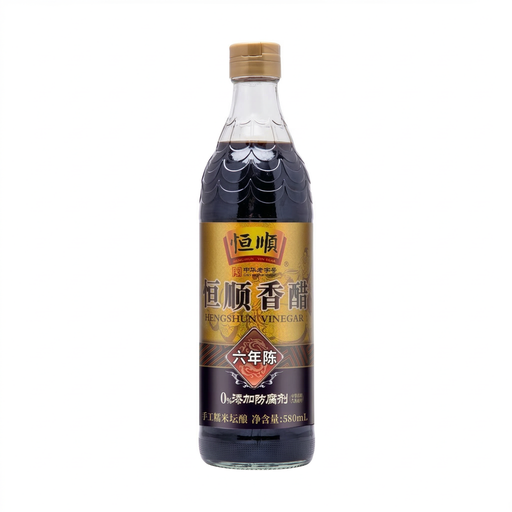
Why This Fits Their Persona: This is the quintessential vinegar for anyone serious about their dumpling dipping sauce. Its glutinous rice base provides a fragrant, slightly sweet profile that complements fillings without overpowering them. The six-year ageing process ensures a remarkably smooth and mellow finish.
It avoids the "one-size-fits-all" trap by being the specific, correct type for dipping sauces. This is a genuine Zhenjiang vinegar from a time-honoured brand, not a generic, harsh cooking vinegar.
Matured for six years for a complex, well-balanced flavour. The ideal choice for dipping and dressing cold dishes.

Why This Fits Their Persona: For those who love making rich, braised dishes or flavourful noodle soups, this Shanxi mature vinegar is a must-have. Its robust, smoky and deeply sour character is designed to cut through fat and add a profound depth of flavour that lighter vinegars cannot achieve.
This is an authentic Shanxi aged vinegar from a leading producer. It delivers the characteristic smoky profile that cannot be faked with additives, steering clear of the "coloured vinegar" trap.
Aged for five years in pottery jars for a rich, mellow aroma. Its persistent reddish-brown colour and smooth acidity are hallmarks of quality.
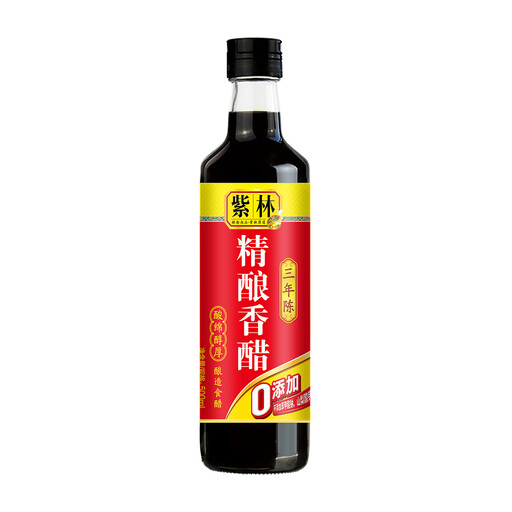
Why This Fits Their Persona: If you're building your Chinese pantry and want a versatile, high-quality entry point, this is an excellent choice. As a 3-year aged Shanxi vinegar, it has enough character for cooking but is mellow enough not to be out of place in a dipping sauce, offering a great all-round experience.
Its clear "3-Year Aged" label and traditional solid-state fermentation process guarantee you're getting a genuinely matured product, not a quickly made, artificially coloured substitute.
Crafted with no detected preservatives for a pure, clean taste. A versatile and accessible introduction to premium aged vinegars.
We have compiled a complete, real-time list of products that fully satisfy these strict selection criteria and UK safety regulations.
The main differences are the ingredients, production process and flavour. Chinese black vinegar is made from various grains like glutinous rice, sorghum and barley, and is aged to develop a dark, complex, malty and sometimes smoky flavour. In contrast, what is commonly known as Chinese rice vinegar is typically made only from rice, resulting in a clear or light reddish liquid with a milder, sharper acidity. It is often used for pickling, salads and sweet and sour sauces where a less complex tang is desired.
Thanks to its high acidity, black vinegar is exceptionally stable. If you store it in a cool, dark cupboard with the lid tightly sealed, an opened bottle can last for several years without spoiling. However, its aromatic compounds can fade over time. For the most vibrant flavour, it is generally recommended to use it within one to two years of opening.
While technically possible, the results will differ greatly. For a classic dumpling dipping sauce, a Zhenjiang aromatic vinegar is the preferred choice due to its fragrant, balanced and slightly sweet taste that enhances the filling. Using a robust Shanxi mature vinegar can be overpowering and may mask the delicate flavours of the dumplings. It's always best to match the vinegar to the dish.