
24/7 Customer Support

Free returns

Same-day & Next-day Delivery

Quality Guaranteed

Unlock Your Welcome Offers: FREE Delivery | Up to 80% OFF | Free 30-day JoyPlus trial
Download the APP
Chinese braised food combines soy sauce, aromatic spices and slow-cooked texture, making it popular with UK households, students and anyone seeking convenient Asian meals. The category covers far more than braised meat: you can find Chinese braised snacks, five-spice eggs, tofu, duck feet, mushrooms, ready meals, sauces and instant noodles.
However, attractive packaging and phrases such as “secret recipe” do not tell you whether a product suits your needs. Before buying Chinese braised food online, check three things: how it is stored, whether it is ready to eat and what the ingredient and allergen information actually says.
Some products can be opened and eaten immediately, while others require steaming, frying or thorough heating. These are not interchangeable.
For example, individually packed braised duck feet and five-spice eggs are designed for direct consumption. By contrast, frozen braised beef, pork ribs and preserved-vegetable pork must be heated according to the instructions. A product described as “convenient” may still require thawing and cooking, so always read the preparation method before adding it to a lunchbox or travel bag.
Chinese braised food varies by region and recipe. Wuhan-style sweet-spicy snacks, Cantonese dim sum, five-spice eggs and red-braised pork each have different seasoning profiles.
Descriptions such as “rich”, “traditional” or “secret sauce” are subjective. For a more useful comparison, look for listed ingredients such as star anise, cinnamon, cloves, Sichuan pepper, fermented black beans, ginger, garlic or dried chilli. These give you a clearer indication of whether the flavour is likely to be aromatic, spicy, sweet, savoury or earthy.
Small packets are useful for portioning but may not represent a complete meal. Larger frozen packs are more suitable for sharing, although they need freezer space and preparation time.
Salt can also vary considerably. The listed nutritional information includes examples ranging from 1.2g salt per 100g in some prepared meals to 4.36g per 100g in certain braised duck feet products. Treat the nutrition panel as a comparison tool rather than relying on front-of-pack language.
First identify whether the product is:
Then check the preparation category:
This distinction matters for braised beef, braised pork and Cantonese dim sum. Frozen spare ribs with black bean, for instance, require steaming for approximately 15–20 minutes, while ready-to-eat tofu and quail eggs can be served directly.
UK food labels should clearly identify regulated allergens. In this selection, common allergens include:
Check the full pack label if you have an allergy or intolerance. Some products also state that they are made in facilities handling peanuts, nuts or other allergens.
Texture is central to the enjoyment of Chinese braised snacks. Duck feet and chicken feet are typically chewy or gelatinous, while braised mushrooms and tofu offer a softer but still substantial bite. Beef flank and pork belly are more suitable for serving with rice, noodles or vegetables.
Individual sachets are practical for commuting, studying and lunchboxes. Larger 260g–420g packs are more appropriate for family meals. A 200g seasoning sauce can also help create braised pork, beef brisket, chicken wings or eggs at home, although it requires additional cooking.
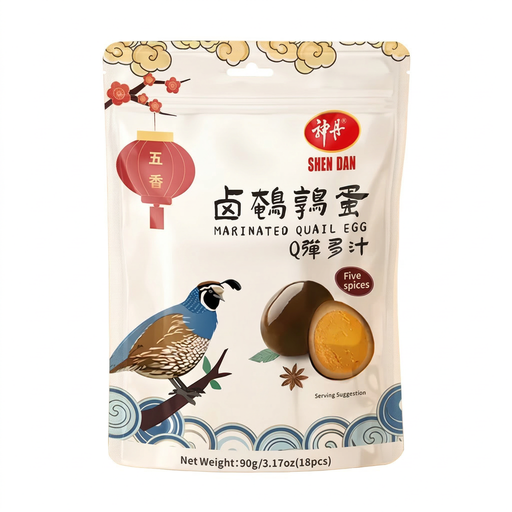
Why This Fits Their Persona: A compact ambient snack for students, office drawers or first-time shoppers who want to try authentic Chinese flavours without buying a large meal pack.
The pack clearly states that it is ready to eat, avoiding the mistake of assuming every braised product needs cooking.
Five-spice seasoning, 90g format and ambient storage before opening.
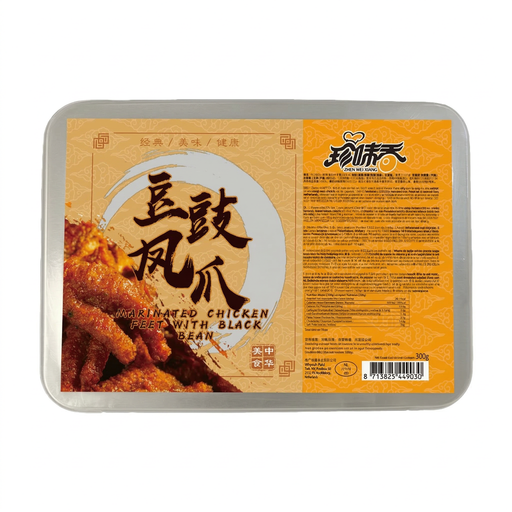
Why This Fits Their Persona: Suitable for shoppers looking for Cantonese dim sum flavours and a larger pack for steaming and serving at home.
The instructions specify steaming for 8–10 minutes or microwaving, so the preparation requirement is clear.
300g pack, fermented black bean seasoning and a steam-serving format.

Why This Fits Their Persona: Designed for busy households, late study sessions and quick desk lunches where a filling hot meal is more useful than a small snack.
The large 143g bowl and stated 4–5 minute steeping time make the portion and preparation easier to judge.
Bowl format, springy wheat noodles, seasoning and dried vegetable packets.
We have compiled a complete, real-time list of products that fully satisfy these strict selection criteria and UK safety regulations.
Pair five-spice eggs, braised tofu or bamboo shoots with congee, rice or noodles. Braised duck feet and marinated chicken feet work well as appetisers or casual snacks. For a fuller meal, consider frozen braised beef, braised pork with preserved vegetables or beef flank with white radish.
Chinese instant noodles can be upgraded with eggs, vegetables or leftover meat, but check the salt and fat values before adding extra seasoning. A braising sauce is useful when you want to prepare pork belly or beef at home while keeping the spice profile consistent.
Some products are ready to eat, including selected duck feet, tofu, mushrooms and marinated eggs. Others are ready to heat or require cooking. Always follow the specific instructions on the packaging, particularly for frozen meat and dim sum.
Follow the product’s stated storage category. Ambient products should be kept cool and dry, chilled products refrigerated and frozen products maintained at -18°C or below. After opening, refrigerate where instructed and consume within the stated period.
Small snacks and multipacks can provide a convenient way to sample different flavours, while larger ready meals may offer several portions. Compare the net weight, number of servings, preparation time and storage requirements, rather than judging value from the packet size alone.