
24/7 Customer Support

Free returns

Same-day & Next-day Delivery

Quality Guaranteed

Unlock Your Welcome Offers: FREE Delivery | Up to 80% OFF | Free 30-day JoyPlus trial
Download the APP
Chinese braised food covers a wide range of ready-to-eat snacks, prepared dishes and seasoning packets. From marinated duck tongue and braised duck feet to tea eggs, beef and pork intestine, the common feature is a slow-cooked flavour built around soy sauce, aromatics and spices.
For UK shoppers, the main challenge is not finding Chinese braised food online. It is choosing products that suit your eating habits, storage space and tolerance for strong seasoning. Packaging may highlight “authentic” flavour or traditional recipes, but those descriptions do not always tell you whether the item is ready to eat, frozen, individually wrapped or suitable for your dietary requirements.
This guide from the Joybuy Product Recommendation Officer explains what to check before buying, followed by practical recommendations for different types of shopper.
Some Chinese braised snacks can be opened and eaten immediately, while prepared dishes require steaming, boiling or thorough reheating. A ready-to-eat product such as marinated quail eggs or dried tofu is convenient for packed lunches, but a frozen braised pork dish cannot be treated in the same way.
Always check the usage instructions before adding an item to your basket. Look for phrases such as:
Soy sauce, salt, chilli and Sichuan pepper are central to many traditional recipes. However, flavour strength varies considerably. For example, the listed salt content is 3.75g per 100g for Yu Ru Marinated Duck Tongue, while Sijia Kitchen Braised Beef lists 1.2g per 100g.
Nutrition panels are therefore more useful than front-of-pack flavour descriptions. If you are planning to serve braised meat with noodles, rice or vegetables, compare the salt level and portion size rather than assuming all products taste alike.
Many Chinese braised snacks and sauces contain soybeans and wheat, usually through soy sauce. Some products also contain eggs, sesame or gluten-containing ingredients. Read the allergen statement carefully, particularly when buying for children, students sharing a kitchen or anyone with a food allergy.
Storage is equally important. Ambient snacks may only need a cool, dry cupboard before opening, whereas frozen ready meals require freezer space and must not be refrozen after defrosting.
Choose the format that matches your routine:
For example, JoyWok Braised Pork Intestine is pre-cooked and can be heated in boiling water for 10 minutes or microwaved after transferring it to a suitable container. By contrast, the Zhenweixiang Spare Ribs with Black Bean requires steaming from frozen for approximately 15–20 minutes.
The quantitative ingredient declaration helps you understand what you are actually buying. The Sijia Kitchen Braised Beef 420g lists beef at 40%, alongside carrots and potatoes. Zhen Wei Xiang Marinated Omasum with Ginger contains 85% beef tripe, while Yu Ru Braised & Spiced Duck Feet lists 97% duck web.
Pack size also affects value. Smaller 70g–102g packs are convenient for individual snacking, while 260g–420g prepared dishes are more practical for sharing or serving with rice.
Traditional Chinese braising spice often includes star anise, cinnamon, fennel, Sichuan peppercorn, bay leaf and cloves. Some blends are sweet and aromatic; others are chilli-forward or numbing.
Wangshouyi Braising Spice Packet comes as five 24g packs, making it suitable for several smaller cooking projects, including braised meat, peanuts and tea eggs. The Zhouheiya Braising Spice Packet 400g is designed for larger batches and can be used with ingredients such as duck wings, duck necks, lotus root and dried tofu. Check the suggested water-to-seasoning ratio before cooking, as concentrated spice packets can produce a strong flavour.
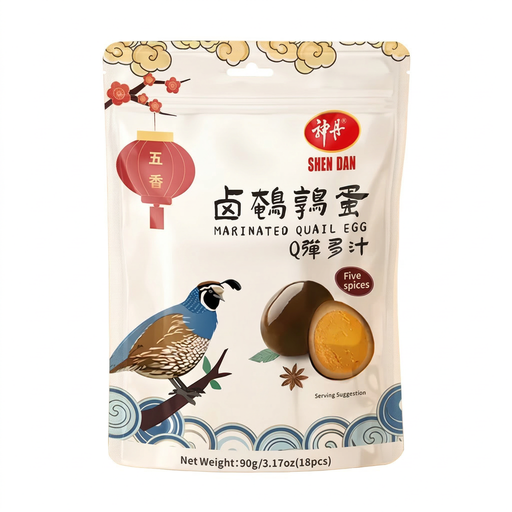
Why This Fits Their Persona: A compact entry point for shoppers trying Chinese braised snacks without committing to a large frozen meal or spice collection. The 90g pack is suitable for lunchboxes, salads or rice bowls.
The listing clearly identifies it as ready to eat, with ambient storage before opening and refrigeration recommended after opening.
Five-spice seasoning, ready-to-eat format and a 90g portion. Contains eggs, soybeans and wheat, which are clearly declared.
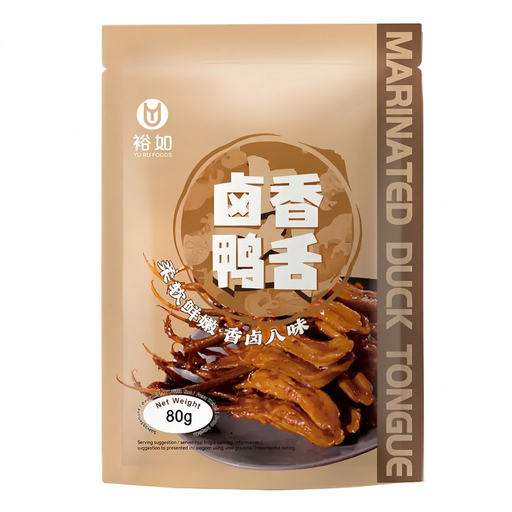
Why This Fits Their Persona: Suits Asian food enthusiasts who specifically want a distinctive chewy texture and a concentrated Sichuan-style savoury flavour in a small serving.
The ingredient declaration lists duck tongue at 97% and identifies chilli and Sichuan pepper separately, making the flavour and main ingredient easier to assess.
Ready to eat, made with 97% duck tongue and seasoned with chilli, Sichuan pepper and aromatic spices. Refrigerate after opening.
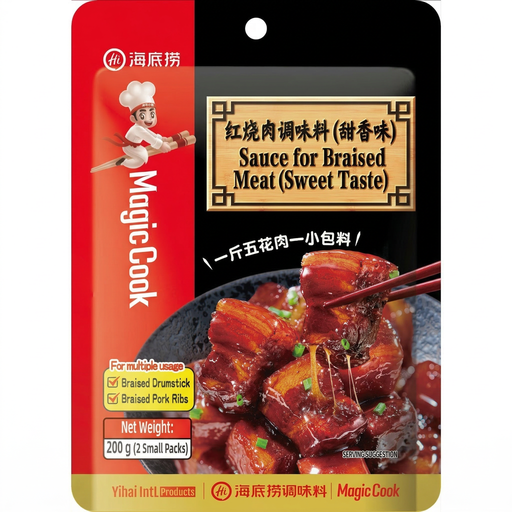
Why This Fits Their Persona: Designed for home cooks who want to prepare several types of Chinese braised food, including pork belly, beef brisket, chicken wings or eggs.
The pack contains two 100g sachets, so an opened portion does not require using the whole 200g pack at once.
One sachet is suggested for approximately 500g of pork with 500–600ml of water. The sauce contains soybeans and wheat, with cooking instructions provided.
We have compiled a complete, real-time list of products that fully satisfy these strict selection criteria and UK safety regulations.
For a family-style meal, consider authentic Chinese ready meals such as Sijia Kitchen Braised Beef 420g or Braised Pork with Preserved Vegetables 350g. These require freezer storage and heating, but provide a larger portion than individual snacks.
If you prefer a cold appetiser or noodle topping, pre-cooked pork intestine, pig ear or marinated omasum can be sliced and served directly, depending on the product instructions. The 200g Honor Soya Pig Ear, for instance, can be eaten cold, stir-fried or heated, while the 300g marinated omasum is suitable for serving cold or quickly stir-frying with vegetables.
For home preparation, compare the smaller Wangshouyi packs with the larger Zhouheiya blend. Tea egg seasoning is a more focused choice if you mainly want to prepare eggs, while a general Chinese braising spice can be used across meat, tofu, nuts and vegetables.
Some products are ready to eat, including many marinated duck tongue, braised duck feet, quail egg and dried tofu snacks. Frozen dishes such as braised pork intestine, beef or spare ribs generally require heating. Follow the specific packaging instructions rather than relying on the product name.
Ambient products should usually be kept in a cool, dry place before opening. Refrigerated products need cold storage, while frozen ready meals should be kept at -18°C or below. After opening, refrigerate where instructed and consume promptly. Do not refreeze products that have already defrosted.
Individually packaged marinated quail eggs, dried tofu, duck tongue and duck feet are convenient options where the product can be kept at the required temperature. Check allergen information, best-before dates and whether refrigeration is needed after opening before placing anything in a lunchbox.