
24/7 Customer Support

Free returns

Same-day & Next-day Delivery

Quality Guaranteed

Unlock Your Welcome Offers: FREE Delivery | Up to 80% OFF | Free 30-day JoyPlus trial
Download the APP
Chinese braised food covers a wide range of ready-to-eat snacks, marinated meats, eggs, vegetables and prepared meals. For UK households, it can be a convenient way to add traditional savoury, aromatic flavours to lunchboxes, noodle dishes or quick family dinners.
However, packaging and product descriptions do not always make the most important buying details obvious. Before choosing Chinese braised snacks or ready meals, check how the food is stored, whether it needs reheating and which allergens or seasoning ingredients it contains.
Some products can be eaten directly from the pack, while others are pre-cooked but must be heated thoroughly before serving. Braised chicken feet, marinated quail eggs and braised shiitake mushrooms may be labelled ready to eat, whereas frozen braised beef or chicken feet in sauce may require steaming, boiling or pan heating.
Always follow the product’s instructions rather than assuming that “cooked” means “ready to serve”. This is particularly important when preparing Chinese ready meals for children, packed lunches or family dinners.
A shelf-stable snack is convenient for a cupboard or student kitchen, but refrigerated and frozen products need more planning. Check whether the item must be kept at 0–4°C, frozen at -18°C or below, or stored in a cool, dry place.
After opening, many products should be refrigerated and consumed promptly. Do not refreeze food once it has defrosted unless the packaging specifically permits it.
The term “five-spice” or “braised flavour” does not describe every ingredient. Soy sauce, wheat, sesame, flavour enhancers, sugar and preservatives may be present. Anyone managing food allergies should read the full ingredients and allergen panel, particularly for soybeans, wheat, sesame, eggs and cereals containing gluten.
For a quick snack, look for individually wrapped or small-pack options such as marinated quail eggs, spicy duck snacks, braised pork ear or vegetarian products. These are suitable for lunchboxes, picnics and convenient appetisers, provided storage instructions are followed.
For a main meal, larger packs such as braised beef, braised pork with preserved vegetables or pork intestine can be served with rice, noodles and vegetables. A 350–420 g pack is generally more suitable for sharing than a 50–105 g snack pack, although serving requirements vary by household.
Ambient products are useful for cupboard storage and may suit students or busy households. For example, a 90 g pack of marinated quail eggs can be stored at room temperature before opening, while refrigerated snacks may require more careful planning.
Frozen dishes offer longer storage when kept correctly but need defrosting and reheating. Follow the label’s method and ensure heated food is piping hot throughout. Some products specify an internal temperature of 70°C or 75°C, so use the packaging guidance supplied with the item.
Braised foods often rely on soy sauce, salt, sugar and aromatic spices. Compare the salt per 100 g when choosing between products, especially if you plan to serve several side dishes together. Nutrition panels can also help distinguish a snack from a meal ingredient.
For example, the listed braised pork intestine contains 2.07 g of salt per 100 g, while the braised pork ear contains 1.5 g per 100 g. These figures are product-specific and should not be used to judge products whose recipes differ.
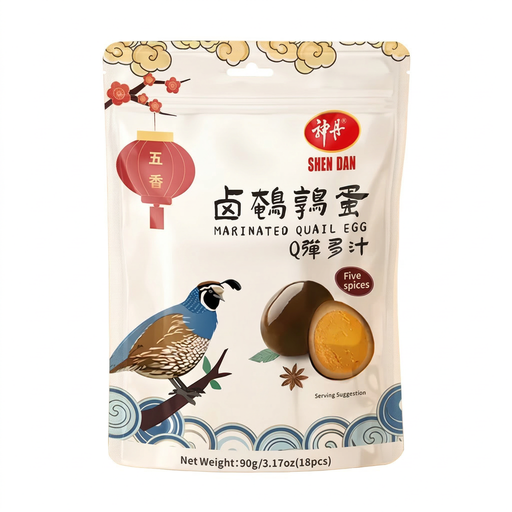
Why This Fits Their Persona: A small 90 g pack provides a straightforward way to try Chinese braised food without committing to a large meal portion. It suits students, lunchboxes and quick snacks.
The product is clearly described as ready to eat, reducing confusion over preparation. Its allergen information identifies eggs, soybeans and wheat.
Five-spice seasoning, 120 kcal per 100 g as listed and a compact format for snacks or rice bowls.
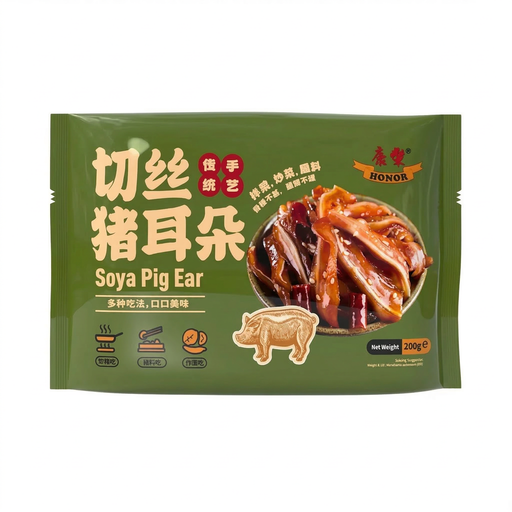
Why This Fits Their Persona: This pre-washed and braised ingredient suits shoppers who value texture and flexibility, whether served cold, heated or added to a side dish.
The listed format explains that it is pre-cooked and can be eaten cold or used in further cooking. Storage guidance specifies refrigeration or freezing.
A 200 g pack, crisp and chewy texture and stated uses in cold dishes, wraps and stir-fries.
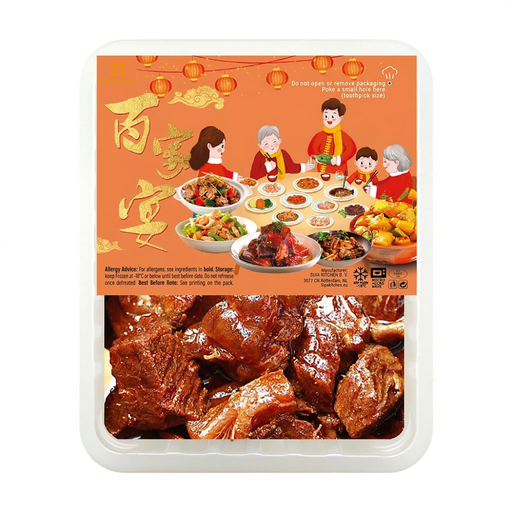
Why This Fits Their Persona: The 420 g frozen format is suited to family dinners, shared meals or larger portions served with rice and vegetables.
The instructions state that it must be defrosted and heated in a pan for approximately 5–8 minutes. The frozen storage requirement is also clearly specified.
Pre-cooked beef with carrots and potatoes, plus a larger pack size for a convenient main meal.
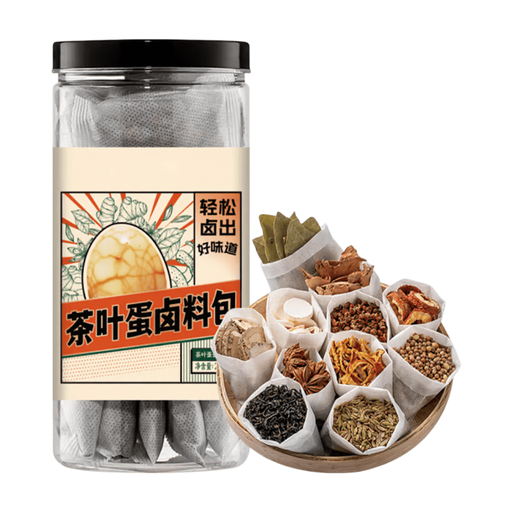
Why This Fits Their Persona: This option is for cooks who prefer preparing tea eggs at home and want measured Chinese cooking seasonings for repeated use.
The pack contains 14 individual 15 g sachets, making portions easier to manage than an unmeasured loose spice blend.
Includes star anise, cinnamon, fennel and dried tangerine peel; the 210 g total pack is designed for multiple uses.
We have compiled a complete, real-time list of products that fully satisfy these strict selection criteria and UK safety regulations.
Some products are ready to eat, including certain marinated quail eggs, duck snacks, vegetarian snacks and braised mushrooms. Others are pre-cooked but require reheating, especially frozen meals and dishes supplied in sauce. Check the individual instructions before serving.
The answer depends on the product. Many opened snacks should be refrigerated and consumed promptly, while some ready-to-eat packs specify use within two to three days. Always prioritise the storage instructions and date printed on the packaging.
Marinated meat snacks and braised pork ear work well as appetisers or side dishes. Braised beef, pork intestine and preserved-vegetable pork can be served with steamed rice or noodles. Tea eggs made with a simmering spice pack can also be added to lunchboxes, salads and rice bowls.