
24/7 Customer Support

Free returns

Same-day & Next-day Delivery

Quality Guaranteed

Unlock Your Welcome Offers: FREE Delivery | Up to 80% OFF | Free 30-day JoyPlus trial
Download the APP
That rich, glossy and deeply savoury flavour of a perfectly braised Chinese dish—whether it's melt-in-the-mouth red-braised pork (红烧肉, hóng shāo ròu) or aromatic stewed beef—is a comforting taste of home for many and an exciting culinary goal for others. But achieving that authentic flavour can be tricky. The supermarket aisle presents a confusing array of bottles, packets and jars, all promising the perfect result.
As the Joybuy Product Recommendation Officer, my role is to help you navigate these choices. Many shoppers find themselves disappointed, and it often comes down to a few common pitfalls. Before you buy, be aware of these traps:
hóng shāo is very different from the complex, spice-infused profile of a Sichuan 卤水 (lǔ shuǐ) master stock. Using the wrong one leads to an inauthentic, flat taste.braising spice mix that has been sitting on a shelf for too long, or is poorly packaged, will have lost its fragrant oils. This results in a dish that lacks the crucial aromatic depth, no matter how long you simmer it.To avoid disappointment and ensure you get the flavour you're looking for, focus on these three core parameters when choosing your Chinese braising sauce.
The first choice you'll face is between a ready-to-use liquid sauce and a dry braising spice mix. Neither is inherently better; they simply serve different purposes.
braised soy sauce, sugar and spices. They offer fantastic convenience and consistency. For anyone short on time or new to Chinese cooking, a liquid red braising sauce is a reliable way to achieve that signature glossy colour and balanced sweet-savoury flavour. They are perfect for specific dishes like red-braised pork or chicken wings.master stock ingredients—such as star anise, cinnamon, fennel seeds and Sichuan peppercorns. They give you complete control. You add your own soy sauce, sugar and water, allowing you to adjust the flavour to your exact preference. This format is ideal for those looking to create a traditional 卤水 (lǔ shuǐ), a master stock that can be reused and develops more complexity over time.Understanding the two primary styles of Chinese braising is key to selecting the right product.
red braising sauce or 红烧酱 (hóng shāo jiàng).Chinese stew seasoning or contain a wide variety of Sichuan braising spices for a more numbing and fragrant result.Always scan the ingredient list. For a quality braising product, you should see recognisable, whole ingredients.
To make things simpler, here are a few recommendations matched to different cooking styles and needs.
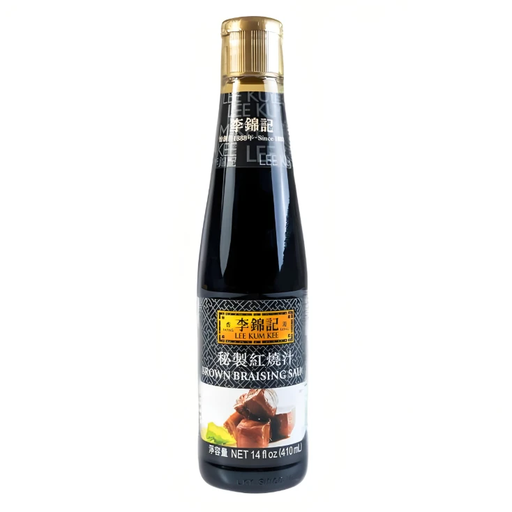
Why This Fits Their Persona: For anyone in the UK wanting to make a classic red-braised dish without the guesswork, this liquid sauce provides a consistent, reliable flavour base. It's perfect for a quick weeknight dinner after a long day.
This is specifically a red braising sauce, avoiding the "one-flavour-fits-all" pitfall by targeting the sweet and savoury hóng shāo profile directly.
Offers ultimate convenience and consistent results. The balanced blend of soy sauce, sugar and spices ensures a perfect glaze and flavour every time.
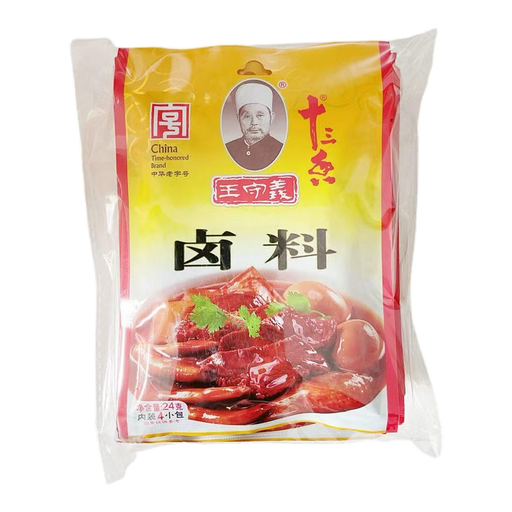
Why This Fits Their Persona: For the cook who wants to create a truly authentic, reusable master stock (卤水). This dry spice mix provides the aromatic foundation, giving full control over the final flavour profile.
By providing whole and ground spices, it avoids the stale spice pitfall. You control the salt and sugar, preventing an overly processed taste.
Contains a comprehensive blend of 13 spices, including fennel, Sichuan peppercorns and star anise, for a complex, authentic aroma. Ideal for braising meats, tofu or even tea eggs.
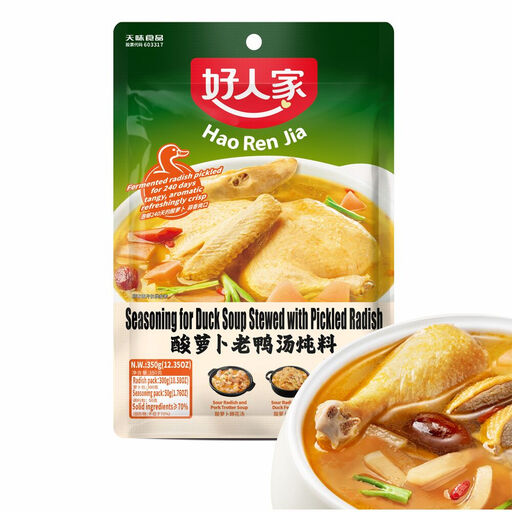
Why This Fits Their Persona: For the food enthusiast eager to explore specific, regional Chinese dishes beyond the mainstream. This seasoning base allows them to easily recreate an authentic Sichuan sour radish duck soup at home.
This is the opposite of a generic sauce. It's a highly specialised product for a particular dish, delivering a unique sour and refreshing flavour profile that can't be faked.
A complete soup base built on salted fermented radish. It provides a convenient shortcut to a complex, regional Sichuan flavour that would be difficult to replicate from scratch.
We have compiled a complete, real-time list of products that fully satisfy these strict selection criteria and UK safety regulations.
Yes, absolutely. If you use a braising spice mix to create your own stock, you are making a 卤水 (lǔ shuǐ), or master stock. After cooking, you can strain the liquid, let it cool, and store it in the fridge or freezer. Its flavour will become richer and more complex with each use. Simply top it up with water, soy sauce and fresh aromatics as needed.
The main difference is in the flavour profile and the liquid itself. Hóng shāo is typically a one-time-use sauce made for a specific dish, characterised by a sweet, savoury and sticky glaze. Lǔ uses a reusable, complex, aromatic stock that is less sweet and more deeply spiced. The ingredients cooked in it absorb the stock's flavour but don't usually have the same thick, glossy coating as red-braised dishes.
This depends heavily on the product, so always check the packaging for instructions. As a general guideline: