
24/7 Customer Support

Free returns

Same-day & Next-day Delivery

Quality Guaranteed

Unlock Your Welcome Offers: FREE Delivery | Up to 80% OFF | Free 30-day JoyPlus trial
Download the APP
Chinese brown sugar can add caramel depth to tea, desserts, baking and savoury dishes, but product descriptions do not always make comparisons straightforward. Some packs are pure brown sugar, while others contain ginger, jujube, osmanthus or goji berry ingredients. Texture, portion size and preparation instructions can also vary considerably.
Before buying, watch for three common pitfalls:
For a straightforward everyday sweetener, look for an ingredient list containing only brown sugar or cane sugar. GanZhiYuan Pure Brown Sugar 350g, for example, lists brown sugar as its ingredient and is described for drinks, baking, desserts and cooking.
Flavoured options are more specialised. Ginger products may contain brown sugar and ginger powder, while osmanthus brown sugar combines cane sugar with osmanthus. Jujube or red date brown sugar can include red dates, longan or jujube extract. Goji berry brown sugar may contain goji berry powder; the Huahaishunda product lists brown sugar at 90.3% and goji berry powder as the remaining ingredient.
Check the label carefully if you have food sensitivities or prefer to avoid particular botanicals. UK packaging should provide the relevant ingredient and allergen information, but it is sensible to review the pack at the point of purchase because formulations can change.
The name “brown sugar” does not describe one uniform texture.
For example, Yanzhifang Small Pear Juice Rock Sugar contains 95% white granulated sugar and 5% pear juice, with directions to dissolve one or two pieces in hot water or use it in porridge, sweet soups and baking. It is a different cooking ingredient from a loose, pure brown sugar.
Pack sizes in this category range from around 216g to 400g, while mainstream Fairtrade sugar products may be sold in 500g or 1kg packs. A smaller pack can be useful when trying a distinctive flavour, whereas a larger pack may suit frequent baking or family use.
Preparation instructions also indicate how concentrated the product is intended to be. Gan Zhi Yuan Ginger Brown Sugar suggests approximately 10–15g with 200–250ml of hot water. Yanzhifang ginger juice brown sugar suggests approximately 15–30g per serving. Treat these as starting points, then adjust the sweetness to taste.
Nutritional panels are also worth comparing. The listed Chinese brown sugar products generally provide roughly 372–396 kcal per 100g, with most of the carbohydrate listed as sugars. Flavoured ingredients may change the figures slightly, but they do not automatically make the product a low-sugar alternative.
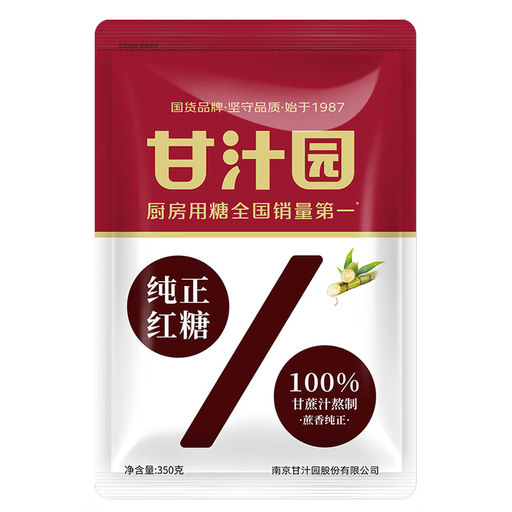
Why This Fits Their Persona: A single-ingredient option for shoppers wanting one pack for hot drinks, desserts, baking and everyday cooking.
The ingredient list is brown sugar, so there are no added flavour botanicals to limit its uses.
350g pack; suitable for brewing, baking, desserts and cooking.
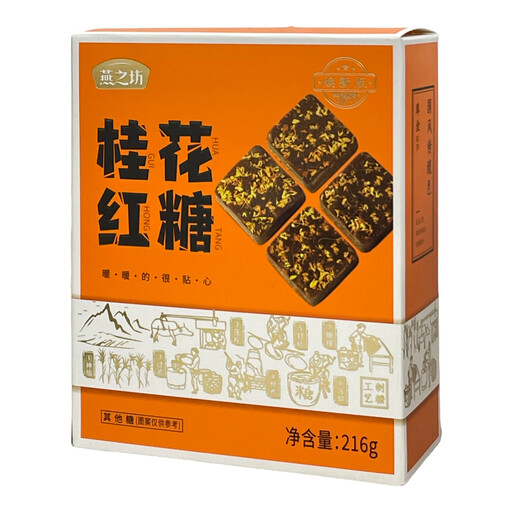
Why This Fits Their Persona: Suits shoppers looking for a fragrant Chinese sweetener for a more distinctive tea or dessert drink.
The label identifies cane sugar and osmanthus, making the flavour direction clear before purchase.
216g pack; listed salt value is 0g per 100g; suitable for drinks and desserts.
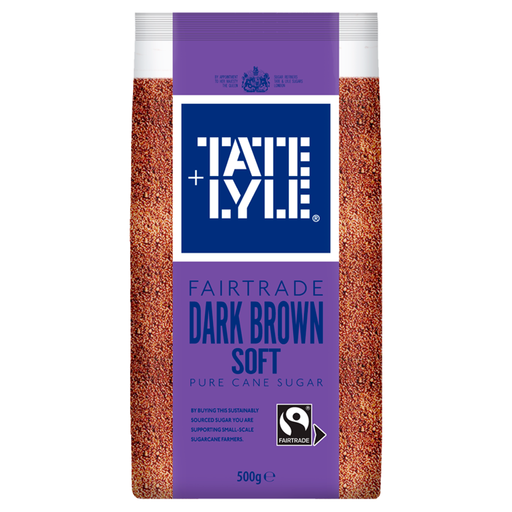
Why This Fits Their Persona: A practical choice for regular bakers who need moist sugar for gingerbread, fruit cakes, puddings, crumbles and sauces.
Its soft, moist format is clearly identified, avoiding the mistake of substituting large rock crystals in recipes requiring quick mixing.
500g pack; 100% dark soft brown cane sugar; Fairtrade-labelled product.
We have compiled a complete, real-time list of products that fully satisfy these strict selection criteria and UK safety regulations.
For hot drinks, place the required amount in a mug and add freshly boiled water, stirring until dissolved. Ginger brown sugar works naturally in tea and warm beverages, while osmanthus, jujube and goji berry versions provide their own flavour notes.
For baking, measure by weight where possible. Loose pure brown sugar can replace some white sugar when a deeper colour and caramel flavour are wanted, but soft brown sugar is more suitable when moisture and a sticky texture matter. Rock sugar may need to be crushed or dissolved first.
Store opened packs in a cool, dry place, sealed against moisture. Soft brown sugar can harden if exposed to air, while loose crystals may clump in a humid kitchen. Use clean, dry utensils and check the packaging for storage guidance and date information.
No. Chinese brown sugar may be sold as loose sugar, compressed pieces or flavoured blocks, depending on the product. UK soft brown sugar is generally moist and molasses-rich, making it particularly useful in baking. Always check the texture and ingredients rather than relying on the colour alone.
Yes. Pure brown sugar is suitable for tea, coffee, baking, desserts and cooking. Ginger brown sugar and red date brown sugar are particularly suited to drinks and traditional desserts, while soft brown sugar is easier to incorporate into moist cakes, gingerbread and sauces.
When kept sealed in a cool, dry cupboard, sugar can remain usable for a long time. Moisture is the main storage problem: it can cause clumping or hardening. Follow the pack instructions, inspect the product before use and transfer opened soft brown sugar to an airtight container.