
24/7 Customer Support

Free returns

Same-day & Next-day Delivery

Quality Guaranteed

Unlock Your Welcome Offers: FREE Delivery | Up to 80% OFF | Free 30-day JoyPlus trial
Download the APP
Chinese canned porridge is a convenient pantry option for busy mornings, packed lunches and late-night snacks. Unlike instant porridge sachets, many Chinese congee cans are already cooked and can be eaten at room temperature, chilled or warmed. However, attractive packaging and traditional flavour names do not always tell you what you are buying.
Before choosing a porridge multipack, watch for three common pitfalls:
Read the full ingredients list rather than relying on front-of-pack descriptions. A can labelled purple sweet potato porridge may also contain purple rice, oats, sticky rice, peas, chestnut, coconut juice and sweeteners. This creates a fuller texture but may not suit every dietary preference.
Under UK food labelling practice, allergens should be clearly emphasised in the ingredient list. Look specifically for cereals containing gluten, peanuts, sesame, soya and milk. For example:
If you are shopping for a child, student or shared household, check each flavour separately. A mixed box is not necessarily allergen-consistent across every product.
A standard Chinese congee can may hold 280g or 360g, while a multipack can contain 12 cans. Compare nutrition per 100g and consider the amount you will actually eat.
The referenced products range from approximately 53 to 81 kcal per 100g, but the sugar content differs. Yinlu purple sweet potato and purple glutinous rice congee lists 6g of sugars per 100g, while its coconut milk oatmeal version lists 8g. Daliyuan black rice and purple sweet potato porridge lists 7g per 100g.
For a less sweet everyday breakfast, compare the label rather than assuming that “wholegrain”, “natural” or “traditional” means low in sugar. Also check the salt figure, especially if the product is being served alongside other processed breakfast foods.
Unopened cans are generally designed for cool, dry, room-temperature storage, away from direct sunlight. Once opened, consume promptly. Some labels advise transferring leftovers to a non-metallic container, refrigerating and consuming within 24 hours.
For warming:
Some Daliyuan products specifically warn against direct heating in a microwave or on a hob. If the can is swollen, leaking, badly dented around the seam or has an unusual smell, do not consume it.
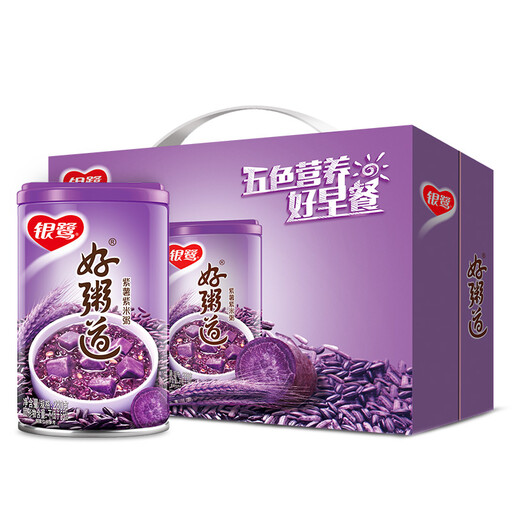
Why This Fits Their Persona: A practical entry point for students, shared flats and households wanting a ready-to-eat breakfast in a compact 12-can multipack.
The listing identifies purple rice and purple sweet potato percentages, plus gluten and sweetener warnings, making comparison easier than relying on the flavour name alone.
280g cans; ready to eat warm or chilled; 12 cans per box; 76 kcal per 100g as listed.

Why This Fits Their Persona: Suitable for shoppers who want control over sweetness and preparation, while keeping organic porridge oats available for regular breakfasts.
It contains 100% organic wholegrain oat flakes, with no added flavour ingredients listed, so you can add fruit, nuts or a Chinese topping separately.
1kg pack; 8.3g fibre and 11g protein per 100g as listed; suitable for hob or microwave preparation.
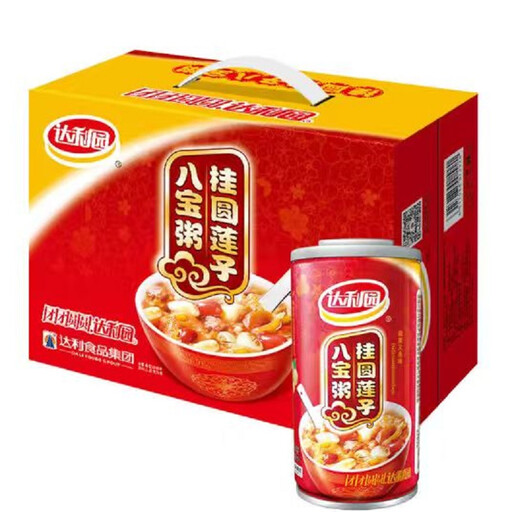
Why This Fits Their Persona: A 12-can choice for families, offices or regular Chinese dessert-style breakfast use where a larger can and repeat supply are useful.
The product specifies longan, lotus seed and peanut ingredients, so shoppers can check the recipe and allergen details before committing to a full multipack.
360g cans; ready to eat hot or cold; listed at 66 kcal per 100g; includes longan, lotus seed and mixed grains.
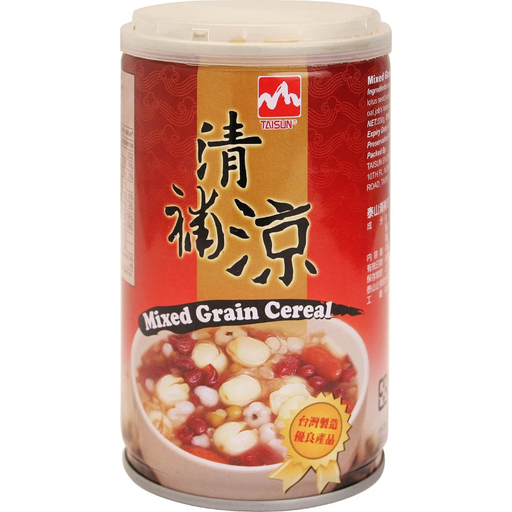
Why This Fits Their Persona: A portable Taiwanese-style grain drink for commuters or students who prefer a can that can be enjoyed chilled without preparation.
The ingredient list names lotus seeds, mung beans, red beans, oats and barley, while clearly identifying cereals containing gluten.
330g can; room-temperature storage; ready to drink chilled; listed at approximately 60 kcal per 100g.
We have compiled a complete, real-time list of products that fully meet these strict selection criteria and UK safety regulations.
Usually, yes. Many Chinese congee cans are cooked and labelled ready to eat. They can often be consumed at room temperature or warmed after being poured into a suitable bowl. Check the individual directions, as preparation methods differ.
Consume it promptly after opening. Where the label gives a specific instruction, transfer leftovers to a non-metallic container, refrigerate and use within the stated period, such as 24 hours. Do not store an opened can at room temperature.
It can be useful for a ready-to-eat breakfast when time is limited, particularly in student accommodation, offices or family kitchens. Compare allergens, sugar, salt and portion size first. For a less sweet option with more preparation control, rolled porridge oats or organic porridge oats may be more suitable; for maximum convenience, a canned rice porridge multipack requires little or no preparation.