
24/7 Customer Support

Free returns

Same-day & Next-day Delivery

Quality Guaranteed

Unlock Your Welcome Offers: FREE Delivery | Up to 80% OFF | Free 30-day JoyPlus trial
Download the APP
As a Joybuy Product Recommendation Officer, I often see UK home cooks invest in a Chinese chef knife with high hopes, only to find it cumbersome or unsuitable for their needs. The broad, rectangular blade promises versatility, but navigating the market can be tricky. Many end up with a tool that’s either too heavy for daily prep or too fragile for its intended tasks.
Before you make a purchase, let’s cut through the marketing jargon and look at the common pitfalls that can lead to a disappointing buy.
To find a reliable Asian cooking knife that will serve you well for years, focus on these three non-negotiable features.
The most critical distinction is the knife's primary function, which is determined by its thickness and weight.
The material of the blade dictates its performance and maintenance routine.
The handle is your point of contact and control. Look for an ergonomic design that fits comfortably in your hand. The tang is the part of the blade that extends into the handle. A full tang, where the steel runs the entire length of the handle, provides superior strength, balance and longevity compared to a partial tang.
Instead of a generic list, we've matched specific knives to the cooks who will appreciate them most.
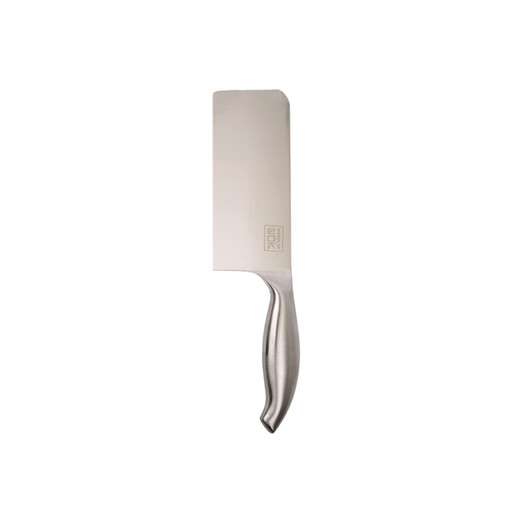
Why This Fits Their Persona: Perfect for those new to Chinese cooking, this knife is designed for the most common task: preparing ingredients for a stir-fry. It's approachable, easy to handle and doesn't require specialist maintenance.
This is a dedicated vegetable cleaver, not a heavy chopper. It prevents the "one-size-fits-all" mistake by providing the right tool for slicing and dicing without the intimidating weight of a bone cleaver.
Made from stainless steel for low-maintenance care and rust resistance. The ergonomic handle ensures comfort during use.
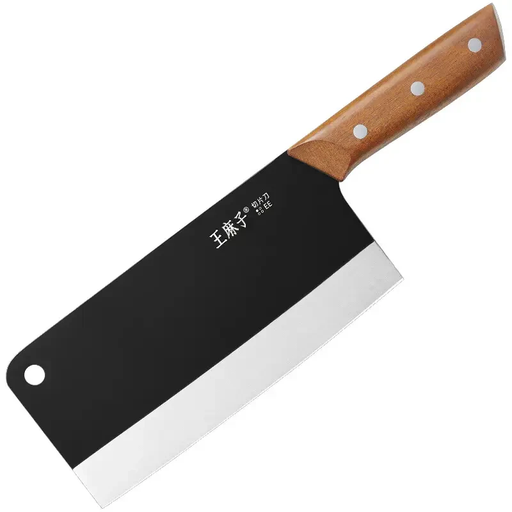
Why This Fits Their Persona: For the cook who appreciates craftsmanship and performance. This knife's hand-forged construction and traditional design offer a noticeable step up in quality for those serious about their culinary techniques.
This knife directly counters the pitfall of ignoring construction. As a forged kitchen knife with an Acacia wood handle, it prioritises balance, durability and a superior feel in the hand over mass-market appeal.
The hand-forged blade offers excellent edge retention and performance. The natural wood handle provides a secure, comfortable grip for precise control.
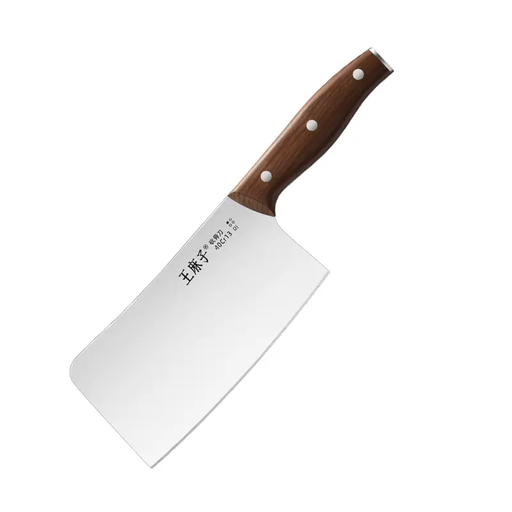
Why This Fits Their Persona: For the cook who needs to break down whole poultry or prepare ribs. This is a specialised tool built for power and resilience, not for slicing tomatoes. It's the right knife for serious butchery tasks at home.
This is an unambiguous bone chopper. Its name and description clearly state its purpose, ensuring you don't buy a delicate slicing knife and ruin it by attempting to chop through a chicken carcass.
The forged high-carbon steel construction provides significant weight and durability for chopping through dense bones. The handle is designed for a secure grip during forceful use.
We have compiled a complete, real-time list of products that fully satisfy these strict selection criteria and UK safety regulations.
It is strongly advised not to. The harsh detergents, high heat and potential for knocking against other items can dull or chip the blade. This is especially true for high-carbon steel knives, which will rust and those with wooden handles, which can crack or warp. Always hand wash your knife with mild soap and dry it immediately and thoroughly.
While both are versatile kitchen tools, they have distinct designs and origins. A Chinese cleaver has a tall, rectangular blade that excels at chopping with an up-and-down motion and is wide enough to use as a scoop. A Santoku knife, which originates from Japan, has a shorter blade with a curved tip (a "sheep's foot" shape) and is designed for fine slicing, dicing and mincing with a rocking motion.
No, a special sharpener is not usually necessary. Most Chinese chef knives can be maintained with standard sharpening tools like a whetstone or a sharpening steel. The key is to maintain a consistent angle. Slicing cleavers typically have a sharper, more acute angle (around 15-20 degrees), while heavy bone choppers have a wider, more durable angle (25 degrees or more).