
24/7 Customer Support

Free returns

Same-day & Next-day Delivery

Quality Guaranteed

Unlock Your Welcome Offers: FREE Delivery | Up to 80% OFF | Free 30-day JoyPlus trial
Download the APP
By Joybuy Product Recommendation Officer
Chinese chilli oil can turn plain rice, noodles, dumplings and cold dishes into a more aromatic meal in seconds. However, bottles and jars labelled “spicy”, “Sichuan” or “crispy” can differ considerably in ingredients, heat, texture, salt content and storage instructions.
For UK shoppers, the sensible choice depends less on bold packaging and more on what is actually inside the container and how you plan to use it.
A clear red oil may mainly provide fragrance and heat, while a thicker Chinese chilli sauce or crispy chilli oil may contain peanuts, fermented soybeans, garlic, onion or sesame. These ingredients add texture and savoury depth but can make the product unsuitable for people avoiding specific allergens.
Check the full ingredient list rather than relying on the front label. Several products in this category contain soybeans, peanuts and sesame, and some crispy chilli products also contain wheat.
Sichuan-style products can include dried chilli, fermented soybean paste, spices and Sichuan peppercorns. Sichuan pepper creates a distinctive tingling or numbing sensation, but not every Sichuan chilli oil has the same balance of heat and pepper aroma.
If you want a straightforward spicy chilli oil for noodles, look for a ready-to-use oil with chillies and aromatic ingredients. If you enjoy mala flavours, choose a product that specifically lists Sichuan peppercorns or Sichuan green pepper.
Chilli oil is usually used by the spoonful, but nutritional values are commonly shown per 100g. The figures can vary widely. For example, the listed salt content of the products in this selection ranges from 0.02g to 9.3g per 100g.
Storage also matters. Some products can be kept in a cool, dry cupboard before opening, while others advise refrigeration after opening. Always follow the label, keep the lid sealed and use clean utensils to reduce contamination.
Rapeseed oil is common in Chinese chilli oil, while some products use soybean oil or a blend of vegetable oils. The oil base affects the texture and nutritional profile, but the chilli percentage and additional ingredients are equally important.
Look for:
A simpler formula, such as rapeseed oil with green Sichuan pepper, may suit shoppers seeking a concentrated Sichuan pepper oil rather than a complete chilli condiment.
Consider how you will use the jar:
If you want to stir-fry, check whether the product is intended for cooking or finishing. Some ready-to-use chilli oils are designed to be added directly after cooking, while concentrated pepper oils may be added towards the end of cooking.
Common pack sizes in this range are approximately 200–330g, with smaller bottles available for Sichuan pepper oil. A larger jar may be more practical for frequent noodle, dumpling or hot pot meals, but a smaller bottle can help occasional users avoid leaving an opened product unused.
Read the UK-compliant packaging for:
The following choices are organised by shopping profile rather than a universal ranking. Product suitability depends on your preferred heat, texture and cooking routine.
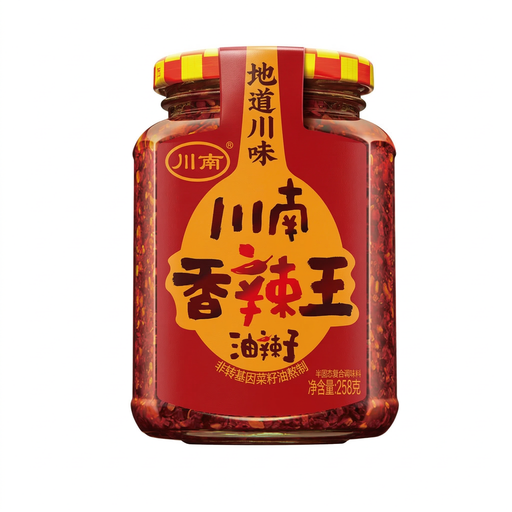
Why This Fits Their Persona: A practical 258g jar for UK home cooks who want one ready-to-use Chinese chilli oil for rice, noodles, cold dishes, dipping and stir-frying.
The listed ingredients and usage information make its purpose clear, avoiding vague “spicy sauce” positioning. It also declares soybeans, peanuts and sesame allergens.
Rapeseed oil is listed at 60%; the product is ready to eat and includes chilli peppers, spring onions, Sichuan peppercorns and spices.

Why This Fits Their Persona: Suitable for shoppers specifically seeking a mala chilli oil with a focused Sichuan flavour profile for noodles, cold dishes and hot meals.
Its ingredient list explicitly includes Sichuan peppercorns, rather than relying only on the word “Sichuan” on the label.
Made with rapeseed oil, chilli, sesame, Sichuan peppercorns and spices; the listed salt is 0.02g per 100g.
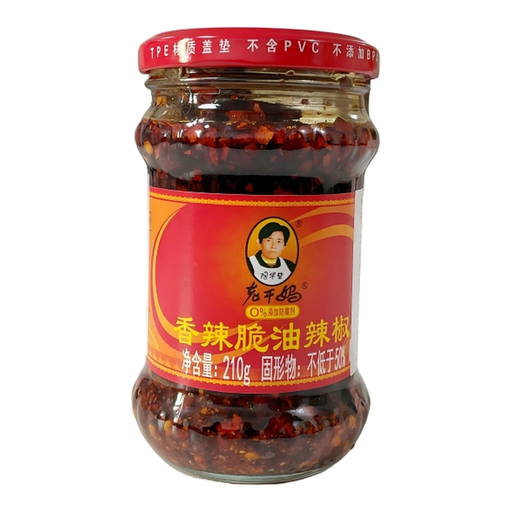
Why This Fits Their Persona: Designed for frequent users who want crispy texture in noodles, rice, dumplings, porridge, cold salads and hot pot dipping sauces.
The product declares chilli flakes at 20%, peanuts at 8% and soybeans at 6%, helping shoppers identify the source of its texture and savoury character.
Ready to eat from opening and contains chilli, onion, fermented soybean tempeh and Sichuan pepper; refrigerate after opening according to the listing.
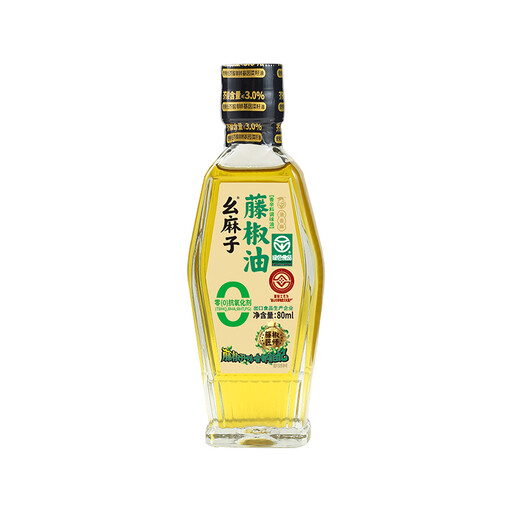
Why This Fits Their Persona: A compact option for adding a measured Sichuan pepper aroma to cold noodles, salads, hot pot, stir-fries and barbecued food.
It is not presented as a complete chilli sauce: the formula lists rapeseed oil and green Sichuan pepper only, making its intended use clear.
80ml format; the listing gives a suggested dosage of 10g per 500g of ingredients and declares no allergens.
We have compiled a complete, real-time list of products that fully satisfy these strict selection criteria and UK safety regulations.
For a quick chilli oil for noodles, mix a spoonful with soy sauce, black vinegar and a little noodle water. For dumplings, combine it with vinegar for a dipping sauce. Crispy chilli oil can be spooned over steamed rice, congee or fried eggs, while a smoother Sichuan chilli oil works well in cold cucumber dishes and dressings.
Add chilli oil near the end of stir-frying when you want to preserve its aroma. A Sichuan pepper oil is generally used in smaller quantities because its primary purpose is fragrance and numbing sensation rather than bulk sauce.
No. Chinese chilli oil is usually oil-based and may contain chilli sediment, while Chinese chilli sauce is often thicker and may include fermented beans, garlic, peanuts or other solids. Check the ingredient list and texture before buying.
There is no single lifespan for every product. Follow the storage instructions on the jar or bottle. Some listings advise keeping the product sealed in a cool, dry place, while others recommend refrigeration and prompt consumption after opening. Use the printed best-before information as guidance and avoid using a product if its appearance, smell or texture has changed noticeably.
Most ready-to-use Chinese chilli oil products are suitable for both. Choose a smooth oil for drizzling and dipping, or a crispy chilli oil if you want fried garlic, chilli pieces, peanuts or seeds. For mala flavour, select a product that lists Sichuan peppercorns or green Sichuan pepper among its ingredients.