
24/7 Customer Support

Free returns

Same-day & Next-day Delivery

Quality Guaranteed

Unlock Your Welcome Offers: FREE Delivery | Up to 80% OFF | Free 30-day JoyPlus trial
Download the APP
Finding the right Chinese chilli sauce in the UK can be harder than expected. A jar may look fiery but taste mainly sweet, oily or salty, while a sauce labelled “mala” may provide Sichuan pepper’s numbing sensation without delivering much chilli heat.
Before choosing a bottle, pouch or sachet, consider how you cook, which allergens matter in your household and whether you need a ready-to-use condiment or a concentrated cooking base. The following guide highlights common buying traps, practical specifications and suitable options for different types of home cook.
Chilli creates heat, while Sichuan pepper contributes a distinctive tingling or numbing sensation. They are not the same. A Sichuan chilli sauce can be highly aromatic without being the hottest option, and a standard chilli oil may be hot without having much mala character.
If you enjoy hot pot or Sichuan cooking, check the ingredient list for terms such as Sichuan peppercorn, Sichuan pepper oil, chilli flakes or chilli oleoresin. A product containing only generic chilli may suit noodles or rice but offer a different flavour profile.
Some Chinese cooking sauces require heating or dilution. For example, a soup paste may need to be mixed with water or stock and boiled, while a ready-to-use chilli oil can be spooned directly over food.
Check the usage instructions before buying. “Ready to eat” or “ready to use” is more suitable for dumplings, noodles and rice. “Cooking required” indicates that the product is intended as a base for a cooked dish rather than a direct dipping sauce.
Chilli sauces often contain salt, fermented beans, soy sauce, sesame, peanuts or wheat. These ingredients affect flavour as well as suitability for your household. For instance, Haidilao Spicy Chilli Sauce lists soya beans and sesame, while several hot pot dipping sauces also contain peanuts, wheat and molluscs.
UK shoppers should read the product label and allergen declaration each time, particularly when buying imported food or trying a different pack format. Nutrition figures are normally listed per 100g, so remember that a single serving may be considerably smaller than this reference amount.
Look for the ingredients that match your intended dish:
Oil-based products range from clear red oil to thick chilli mixtures with visible sediment. A thicker sauce may cling to noodles and rice, whereas a pourable sauce is easier to drizzle over dumplings or seafood.
Also check the pack size. A 30g mala seasoning may suit occasional hot pot meals or single servings, while a 200g–358g jar is more practical for regular cooking. Sachets and pouches can reduce preparation time, but some need refrigeration after opening and should be consumed promptly.
Storage requirements are part of the product specification, not an optional detail. Many sauces can be stored in a cool, dry place before opening but require refrigeration once opened. Follow the packaging instructions, keep the container sealed and use clean utensils to avoid introducing moisture or food residue.
For a sauce with high oil content, check the label for serving guidance and storage advice. Oil-based products can be energy-dense, while salt levels vary considerably between recipes.

Why This Fits Their Persona: A 200g ready-to-eat jar is convenient for shoppers wanting one versatile Chinese condiment for rice, noodles and everyday cooking.
It is described as ready to eat, so it does not require a separate soup base or cooking process. Fermented black beans provide a savoury flavour distinct from plain chilli oil.
Ready to serve; suitable for rice, noodles and cooking seasoning. Contains soya beans and wheat, so check the allergen declaration.
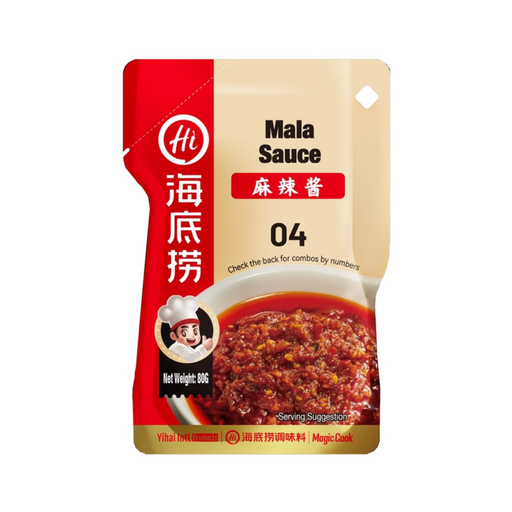
Why This Fits Their Persona: A compact Sichuan-style sauce suits cooks who want chilli, garlic, onion, sesame and Sichuan pepper in one prepared seasoning.
The stated uses include stir-frying, dipping and marinating, making its purpose clearer than a sauce marketed only by heat level.
Ready-to-use format; includes Sichuan pepper, garlic and sesame. Contains soya beans and sesame.
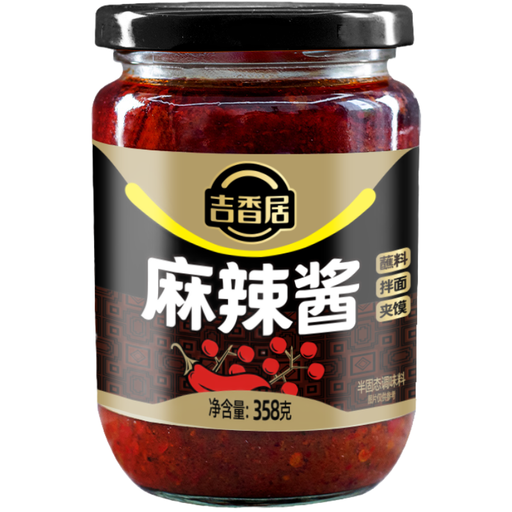
Why This Fits Their Persona: The larger jar suits regular users preparing noodles, stir-fries, dips and hot pot meals for several people.
Its ingredient declaration specifies 39% chilli peppers and 2% Sichuan peppercorns, helping shoppers distinguish mala character from a generic chilli sauce.
358g net quantity; ready to use in hot pot, noodles, stir-fries and dips. Contains soya beans and wheat.
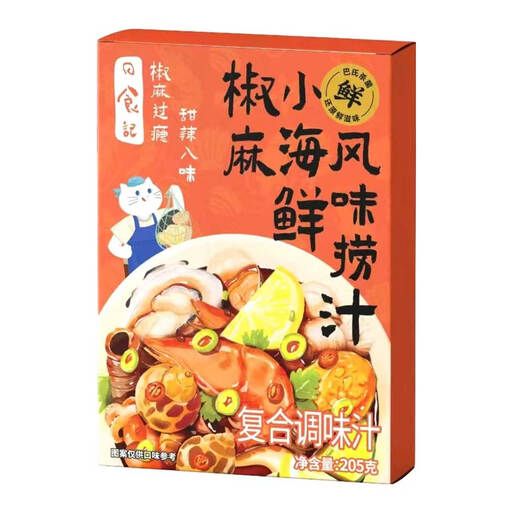
Why This Fits Their Persona: Designed for cooked seafood, shellfish and cold salads, it offers a different use from heavy, oil-based chilli sauces.
It clearly states that no heating is required and recommends leaving dressed ingredients for about 10 minutes, reducing guesswork at serving time.
One 205g bag is stated to dress approximately 1kg of ingredients; contains soya and wheat, and should be refrigerated after opening.
We have compiled a complete, real-time list of products that fully satisfy these strict selection criteria and UK safety regulations.
Start with a small quantity, particularly when trying a new mala sauce or chilli oil. Stir the contents first if spices or sediment have settled. For noodles and rice, add a spoonful with a little noodle water, soy sauce or vinegar to create a coating sauce.
For hot pot, serve a ready-to-use Chinese hot pot dipping sauce in individual bowls and add spring onion, coriander or garlic only if suitable for your dietary requirements. For stir-fries, add chilli sauce towards the end unless the instructions specifically recommend frying the paste in oil.
Many are. Ready-to-use chilli sauces, fermented chilli condiments and chilli oils can be spooned over noodles or rice. Check whether the product is oily, thick, sweet, numbing or savoury, then adjust the amount to suit the dish.
A product described as mala generally refers to the combination of chilli heat and a numbing Sichuan pepper sensation. However, the intensity and quantity can vary. Check the ingredient list for Sichuan peppercorn, Sichuan pepper oil or related wording rather than relying on the front label alone.
There is no single lifespan for every product. Follow the packaging instructions: some sauces should be refrigerated and consumed soon after opening, while dry seasonings may only need to be resealed and stored in a cool, dry place. Always check the best-before information and discard a product if its smell, appearance or texture has changed noticeably.