
24/7 Customer Support

Free returns

Same-day & Next-day Delivery

Quality Guaranteed

Unlock Your Welcome Offers: FREE Delivery | Up to 80% OFF | Free 30-day JoyPlus trial
Download the APP
Finding the right Chinese chilli sauce in the UK can be harder than choosing a heat level. A jar may look fiery but offer little aroma, while a sauce described as “Sichuan-style” may be better suited to dipping than cooking. The right choice depends on regional flavour, texture, ingredients, storage and how often you plan to use it.
This guide cuts through common labelling traps and compares practical options for home cooks, spice enthusiasts and hot pot fans.
A high chilli percentage does not automatically mean a sauce will provide the Sichuan aroma or fermented savouriness associated with restaurant dishes. Mala sauce, for example, combines chilli heat with the tingling sensation of Sichuan peppercorns. A standard chilli sauce may be hot but lack that distinctive numbing note.
Look for ingredients such as Sichuan peppercorns, broad bean paste, fermented soybeans, garlic or pickled chilli if you want layered flavour rather than simple heat.
Some products are ready-to-eat condiments, while others are concentrated cooking bases. A spicy chilli oil may work well over noodles or dumplings but add too much oil to a stir-fry. Conversely, a Pixian broad bean paste usually needs frying in oil to release its aroma and is not designed to be eaten straight from the jar.
Check whether the label says ready to eat, suitable for dipping or requires cooking. This helps prevent buying a product that does not fit your usual meals.
Chinese cooking sauces can contain substantial salt, particularly fermented pastes and hot pot bases. For example, the supplied product information lists salt at 10g per 100g for DongGu Spicy Sauce, 15.19g per 100g for Ji Xiang Ju Mala Sauce and 23.8g per 100g for Haidilao Hot & Sour Beef Seasoning Mix.
These figures are useful for portion planning. Also check highlighted allergens, including soybeans, wheat, sesame, peanuts, mustard, sulphites and broad beans. Ingredients and allergen information can vary between products, so always read the packaging before purchase.
Choose according to the cuisine you want to prepare:
A chopped chilli product provides visible pieces and a fresher, more spoonable texture. Chilli oil and red-oil sauces are smoother and spread easily through noodles or over cooked dishes. Oil-heavy products can also be more energy-dense: Chuan Nan Sichuan Oil & Chilli Sauce lists 64.6g fat per 100g, while Jixiangju Handmade Oil Chilli lists rapeseed oil as its first ingredient.
For a thicker cooking base, broad bean paste or a blended Chinese cooking sauce may be more suitable. For a lighter topping, choose a chopped chilli or oil-based sauce and use a smaller portion.
A 200–360g jar offers practical value for regular cooking, but it needs suitable fridge space after opening. Smaller packs, such as the 80g Haidilao Spicy Chilli Sauce, may be more convenient if you are trying a new flavour or cook spicy dishes occasionally.
Follow the individual label’s storage directions. Several sauces require refrigeration after opening, while some products can remain at room temperature before opening. Use a clean, dry utensil and check the best-before information on the packaging.
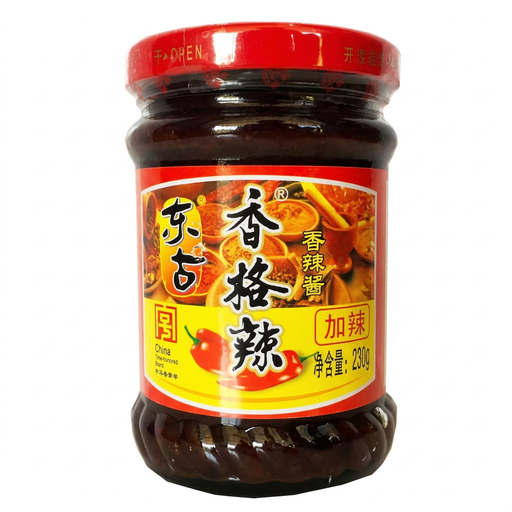
Why This Fits Their Persona: Its slightly spicy profile is approachable for first-time buyers and works with rice, noodles, dipping and everyday stir-fries.
The stated mellow heat makes it easier to control portions instead of committing to an intensely hot jar.
230g bottle; ready to use; includes broad bean paste, garlic and spices.

Why This Fits Their Persona: It suits cooks who want a fermented Sichuan base for mapo tofu, braised dishes and Chinese stir-fry seasoning.
It is clearly positioned as a cooking base, helping avoid using a ready-to-eat condiment where frying is required.
360g pack; made with red chilli, salt, broad beans and wheat flour; refrigerate after opening.
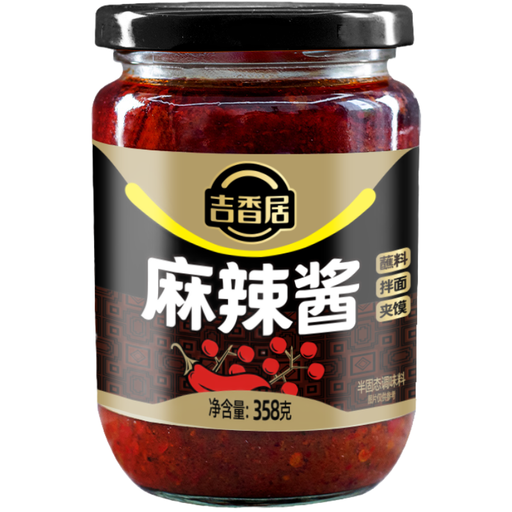
Why This Fits Their Persona: The larger jar and stated combination of chilli and Sichuan peppercorns suit frequent noodle, stir-fry, dipping and hot pot use.
The label identifies 39% chilli and 2% Sichuan peppercorns, making the intended mala character clearer than a generic hot sauce.
358g pack; ready to use; includes broad bean paste, pickled mustard tuber, garlic and ginger.
We have compiled a complete, real-time list of products that fully satisfy these strict selection criteria and UK safety regulations.
For noodles, begin with one teaspoon and loosen the sauce with a little noodle water, soy sauce or rice vinegar. For a chilli dipping sauce, combine a small amount with black vinegar, sesame oil or spring onion.
For stir-fries, add a cooking sauce after aromatics have softened. Broad bean paste benefits from brief frying in oil, while ready-to-eat chilli oil can be stirred through at the end. For hot pot, use a labelled Chinese hot pot seasoning or dilute a concentrated base with water or stock according to the packet instructions.
Not always. “Chinese chilli sauce” is a broad category covering chopped chilli, chilli oil, fermented pastes and regional sauces. Sichuan chilli sauce commonly includes Sichuan pepper, garlic, fermented bean paste or red oil, but ingredient lists differ. Check the label for the flavour components you want.
There is no single lifespan for every product. Follow the storage instructions and use-by or best-before information on the packaging. Refrigerate products that require it, keep the lid sealed and use a clean utensil. Discard the sauce if its appearance, smell or texture changes noticeably.
A slightly spicy ready-to-use sauce is a practical starting point because it can be added gradually to rice, noodles and stir-fries. Households cooking Sichuan dishes regularly may prefer a larger mala sauce or Pixian broad bean paste, while occasional users may find a smaller jar easier to store and finish.