
24/7 Customer Support

Free returns

Same-day & Next-day Delivery

Quality Guaranteed

Unlock Your Welcome Offers: FREE Delivery | Up to 80% OFF | Free 30-day JoyPlus trial
Download the APP
A Chinese cleaver, or cai dao, can be one of the most versatile and efficient tools in your kitchen. Its broad, rectangular blade is capable of slicing, dicing, mincing and even transferring ingredients from the board to the pan. However, navigating the market can be confusing. Many shoppers in the UK find themselves with a knife that is either too heavy, too fragile or simply wrong for their needs.
As a Joybuy Product Recommendation Officer, my role is to help you understand the key differences and avoid common purchasing mistakes. Let's cut through the marketing clutter and focus on what truly matters.
Before you add a cleaver to your basket, be aware of these frequent traps that lead to buyer's remorse:
To make an informed choice, focus on these three non-negotiable features.
The steel is the heart of the knife. The two main types you'll encounter are:
How the blade is made significantly impacts its performance and longevity.
This is the most critical distinction to understand.
Based on these practical criteria, here are a few options tailored to different types of users in the UK.
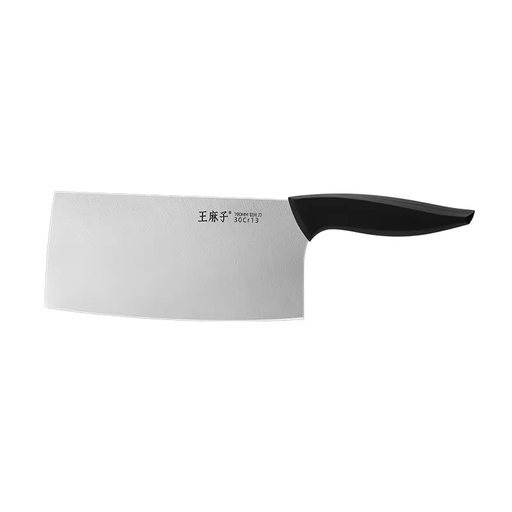
Why This Fits Their Persona: This is a versatile slicing cleaver perfect for daily meal prep. It's designed for the common tasks in a UK home kitchen—chopping vegetables for a stir-fry, slicing chicken for a curry or dicing onions and carrots for a stew.
It's a dedicated slicing knife, not a misleading "all-in-one". The forged stainless steel construction offers a great balance of low maintenance and reliable performance, avoiding the pitfalls of vague material claims.
Forged Construction: Provides good balance and durability.
Stainless Steel Blade: Resists corrosion and is easy to clean, ideal for a busy kitchen.
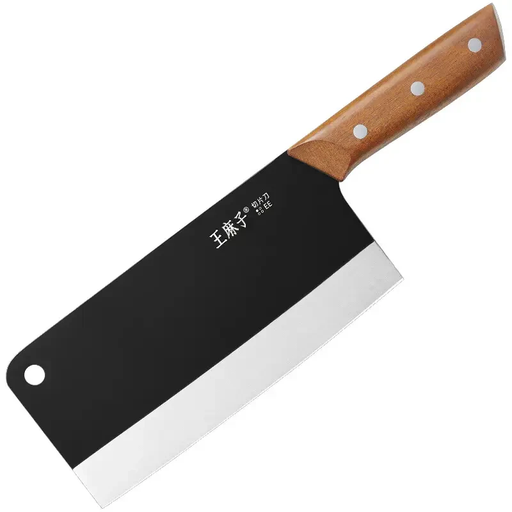
Why This Fits Their Persona: For the cook who appreciates craftsmanship and peak performance. This knife is ideal for someone passionate about Asian cuisine who enjoys the ritual of cooking and is willing to maintain their tools for superior results.
Its hand-forged construction and traditional blackened finish signal a high-performance tool, not a generic stainless steel blade. The beautiful Acacia wood handle speaks to quality craftsmanship, avoiding the pitfall of poor balance and cheap materials.
Hand-Forged Blade: Offers excellent sharpness and edge retention.
Acacia Wood Handle: Provides a comfortable, secure grip and a premium feel.
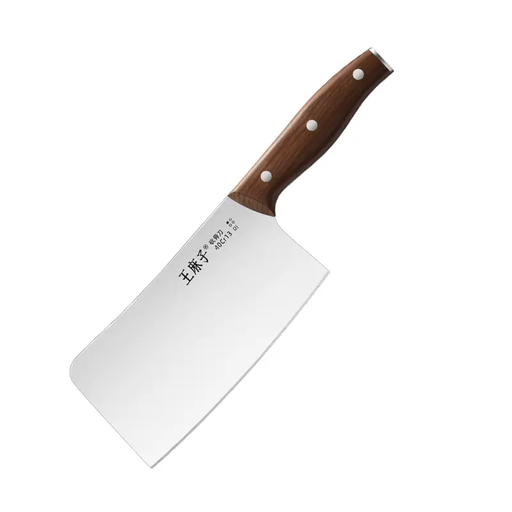
Why This Fits Their Persona: This is for the home cook who buys whole chickens, breaks down racks of ribs or a professional looking for a reliable tool. It is a specialised instrument built for one purpose: to apply force and chop through tough materials cleanly.
This is explicitly a bone chopper, not a general-purpose cleaver. Its significant weight and thick, forged high-carbon steel blade are designed for impact, directly countering the "one-size-fits-all" myth by being the right tool for a heavy-duty job.
Heavy-Duty Forged Blade: Engineered for power and resilience when chopping bone and cartilage.
Ergonomic Handle: Ensures a secure grip for maximum control and safety during forceful use.
We have compiled a complete, real-time list of products that fully satisfy these strict selection criteria and UK safety regulations.
1. How do I care for a high-carbon steel Chinese cleaver? Proper care is simple but essential. After each use, immediately hand wash the cleaver with warm, soapy water. Do not put it in the dishwasher. Dry it thoroughly with a cloth, ensuring no moisture remains on the blade. For long-term storage, you can apply a thin coat of food-safe mineral oil to the blade to protect it from humidity.
2. Can I use a Chinese vegetable cleaver to chop bones? No. A vegetable cleaver or slicing knife has a thin, hard blade designed for precision. Striking a bone with it will almost certainly cause the edge to chip or crack. You must use a dedicated bone chopper knife, which has a thicker, tougher blade built to withstand high impact.
3. What is the difference between a Chinese cleaver and a Santoku knife? While both are versatile kitchen knives, they have different designs and functions. A Chinese cleaver has a tall, rectangular blade that is excellent for chopping in an up-and-down motion and for scooping ingredients. A Santoku knife, which is of Japanese origin, has a shorter blade with a curved tip (a 'sheep's foot' shape) that is well-suited for a rocking-chop motion as well as slicing. The cleaver's weight and broad face give it unique advantages for certain tasks, while the Santoku offers a different style of agility.