
24/7 Customer Support

Free returns

Same-day & Next-day Delivery

Quality Guaranteed

Unlock Your Welcome Offers: FREE Delivery | Up to 80% OFF | Free 30-day JoyPlus trial
Download the APP
A traditional Chinese cleaver can be one of the most versatile and efficient tools in your kitchen. However, navigating the market can be confusing. Many home cooks in the UK invest in a knife that looks the part, only to find it dulls quickly, feels unwieldy or simply isn't suited for the job. Before you make a purchase, it's crucial to understand the common pitfalls that lead to disappointment.
As a Product Recommendation Officer at Joybuy, my role is to help you see past the marketing clutter. Here are the three most frequent mistakes we see buyers make and how you can avoid them to find a kitchen knife that will serve you well for years.
To ensure you select a durable and effective tool, focus on these three core parameters. Understanding them will empower you to choose a high-quality Chinese cleaver that matches your cooking style.
The primary function of the knife is determined by its weight and thickness.
bone chopper has a much thicker and heavier blade, often 5mm or more at the spine. Its purpose is to handle tough tasks like parting poultry or chopping through smaller bones and cartilage. Its weight does the work for you.The material and manufacturing process are critical for longevity and performance.
The handle is your connection to the blade and its construction is vital for safety and comfort.
Based on these practical criteria, we've matched several products to different types of home cooks.
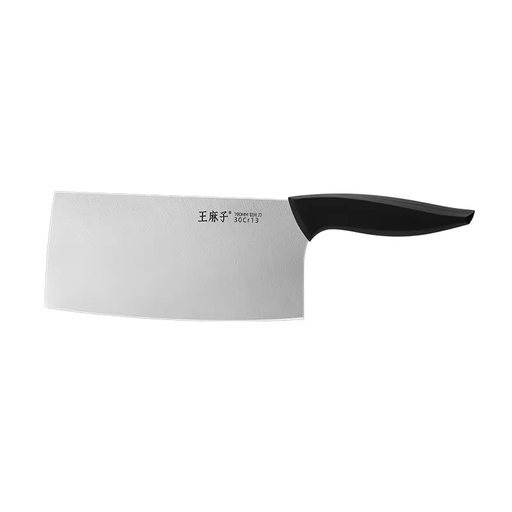
Why This Fits Their Persona: This is a versatile workhorse for the typical UK family kitchen. It's robust enough to handle daily prep for Sunday roasts, mid-week stir-fries and everything in between, without needing a full set of specialist knives.
It avoids the "one-size-fits-all" myth by being an intentionally designed multipurpose knife, balanced for both slicing and light chopping, rather than being a poor imitation of a specialist tool.
Its forged stainless steel construction offers good edge retention and durability, providing a noticeable step-up from cheaper, stamped blades.
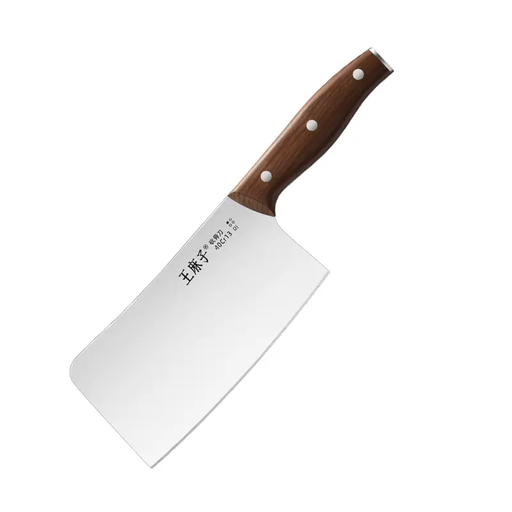
Why This Fits Their Persona: For the serious cook who buys whole chickens or racks of ribs, this is the right tool for the job. It's built specifically for power and impact, allowing for clean butchery at home without damaging finer knives.
This is an unambiguous bone chopper. Its significant weight and thick, forged blade are clear indicators of its purpose, preventing the mistake of buying a slicer for a chopper's job.
The forged high-carbon steel construction is engineered for resilience and impact, while the ergonomic handle ensures a secure grip during forceful chopping tasks.
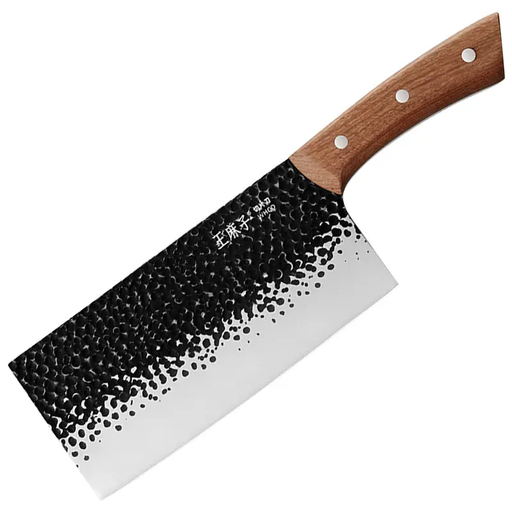
Why This Fits Their Persona: For the culinary enthusiast who takes pride in presentation and technique, this knife delivers. It's designed for achieving paper-thin slices of vegetables or preparing boneless meat and fish with clean, effortless cuts.
It avoids the trap of poor balance. As a dedicated slicing knife, its lighter weight and ergonomic handle are optimised for control and reducing fatigue during long, detailed prep sessions.
The forged, sharp blade is specifically engineered for slicing, gliding through food with minimal resistance. This ensures clean cuts that preserve the texture of delicate ingredients.
We have compiled a complete, real-time list of products that fully satisfy these strict selection criteria and UK safety regulations.
While both are versatile kitchen tools, they have distinct designs and strengths. A Chinese cleaver has a tall, rectangular blade that provides knuckle clearance and is excellent for chopping in an up-and-down motion. The wide blade is also very useful for scooping and transferring ingredients. A santoku knife, originating from Japan, is typically lighter with a shorter, wider blade that has a curved "sheep's foot" tip. It excels at the three "virtues" it's named for: slicing, dicing and mincing, often with a smoother rocking motion.
Proper maintenance is simple but essential for a long lifespan. Always hand wash your knife with warm, soapy water and dry it immediately and thoroughly with a soft cloth. Never put a quality forged steel knife in the dishwasher, as the harsh detergents and high heat can damage the blade and handle. Store it in a knife block, on a magnetic strip or in a sheath to protect the edge from being knocked.
Not at all. The ideal weight is entirely dependent on the task. A heavy bone chopper uses its mass to generate force for tough jobs. However, for preparing vegetables or slicing boneless meat, a heavy knife would be cumbersome and fatiguing. A lighter vegetable cleaver or slicing knife offers far greater agility and precision for these delicate tasks. Choosing the right weight for your primary cooking needs is key to an enjoyable experience.