
24/7 Customer Support

Free returns

Same-day & Next-day Delivery

Quality Guaranteed

Unlock Your Welcome Offers: FREE Delivery | Up to 80% OFF | Free 30-day JoyPlus trial
Download the APP
The Chinese cleaver is one of the most versatile tools you can have in your kitchen. Its broad, rectangular blade can handle everything from finely mincing garlic to slicing meat and dicing vegetables. However, navigating the market to find a reliable Chinese chef knife can be confusing. Many UK home cooks end up with a knife that either dulls quickly, rusts or simply isn't suited for their needs.
As the Joybuy Product Recommendation Officer, my role is to help you sidestep these issues. Before you make a decision, let's look at the common pitfalls that lead to a disappointing purchase.
vegetable cleaver (known as a sang dao) is designed for precision slicing and will be damaged if used on bones. A thick, heavy meat cleaver (gu dao) is for heavy-duty chopping and lacks the finesse for delicate tasks. Buying the wrong type for your daily routine is a recipe for frustration and a ruined blade.To ensure you get a knife that serves you well for years, focus on these three core features.
This is the most critical distinction.
Sang Dao): This is the true all-purpose kitchen knife for most home cooks. It has a thinner, sharper blade designed for slicing, dicing and mincing vegetables, herbs and boneless meats. Its wide blade is also perfect for scooping and transferring ingredients from the cutting board to the pan.Gu Dao): This is a heavier, thicker and more robust knife. Its primary function is to chop through bones and tough connective tissue. While essential for certain butchery tasks, it is not suitable for the everyday precision work that a slicing cleaver excels at.The way a knife is made significantly affects its performance and longevity.
forged cleaver is crafted from a single bar of steel, which is heated and hammered into shape. This process creates a stronger, denser blade that typically has a bolster (the thick junction between the blade and handle). Forged knives tend to have better balance and edge retention.For a home kitchen, a high-carbon stainless steel blade offers a great balance. The "high-carbon" part allows for a very sharp edge that lasts, while the stainless steel properties provide crucial resistance to rust and corrosion. Look for specific steel grades like 50Cr15MoV, which is a reliable material known for its good balance of hardness, toughness and stain resistance, making it a practical choice for a stainless steel kitchen knife.
To help you find the right fit, here are a few options matched to different cooking styles and needs.
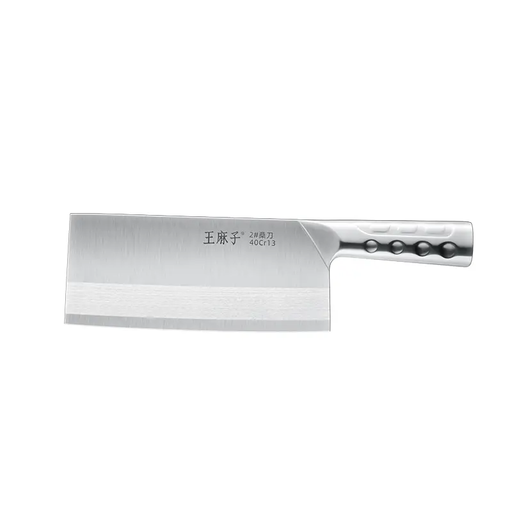
Why This Fits Their Persona: This is a classic, no-nonsense workhorse for daily meal prep in a UK household. It's designed for the most common kitchen tasks—chopping vegetables for a Sunday roast, slicing chicken for a stir-fry or mincing garlic and ginger.
This is explicitly a slicing knife (Sangdao), preventing the common mistake of using it for heavy-duty chopping. Its forged construction provides good balance, avoiding the ergonomic pitfall.
Forged from stainless steel for durability and sharpness. It's a versatile tool that can replace several other knives for everyday tasks.
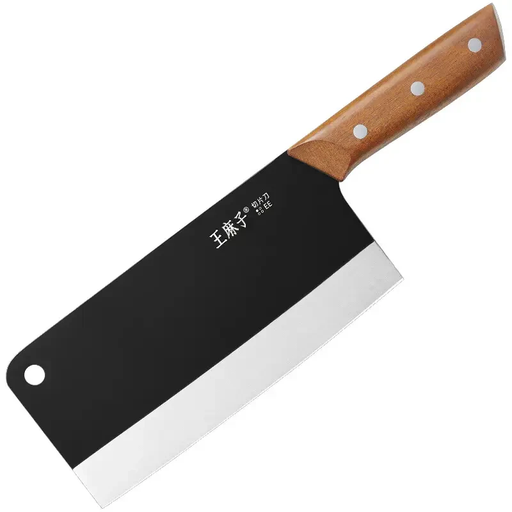
Why This Fits Their Persona: For the home cook who appreciates craftsmanship and superior handling. The hand-forged process and natural Acacia wood handle offer a more refined experience for someone passionate about their cooking tools.
The "hand-forged" description is not just marketing; it points to a specific construction method known for durability. The ergonomic Acacia wood handle directly addresses the need for a comfortable, secure grip.
Superior balance from the forged construction and a comfortable, natural wood handle. The blackened finish offers added stain resistance.
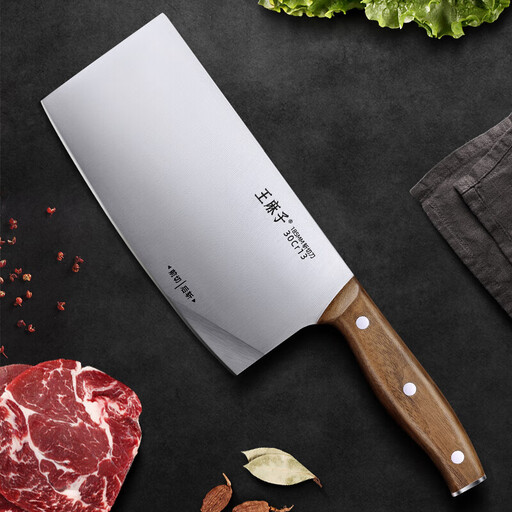
Why This Fits Their Persona: This is for the cook who needs to break down whole chickens, tackle tough joints of meat or chop through hard-shelled squash. It is a specialised tool for power, not precision slicing.
This is clearly identified as a bone cleaver. It is thick, heavy and built for impact, ensuring you have the right tool for heavy-duty jobs and don't destroy a delicate slicing knife.
Robust, heavy-duty stainless steel blade designed for chopping through bone and cartilage. The solid walnut handle provides a secure grip for forceful tasks.
We have compiled a complete, real-time list of products that fully satisfy these strict selection criteria and UK safety regulations.
For a slicing knife, regular honing with a sharpening steel every few uses will help maintain the edge. Depending on frequency of use, it may need to be properly sharpened on a whetstone a few times a year. A heavy meat cleaver requires less frequent sharpening, but when it does, a coarser whetstone may be needed to restore the tough edge.
It is strongly advised not to put any quality kitchen knife in the dishwasher. The high heat, harsh detergents and potential for knocking against other items can damage the blade's edge, harm wooden handles and lead to premature corrosion. Always hand wash your stainless steel kitchen knife with warm, soapy water and dry it immediately.
Its versatility is its main strength. You can use the sharp edge for slicing, dicing and mincing. The flat of the blade is perfect for crushing garlic cloves or ginger. The wide surface allows you to easily scoop up chopped ingredients and transfer them to a pot or bowl and the blunt top edge can be used to pound and tenderise meat.