
24/7 Customer Support

Free returns

Same-day & Next-day Delivery

Quality Guaranteed

Unlock Your Welcome Offers: FREE Delivery | Up to 80% OFF | Free 30-day JoyPlus trial
Download the APP
A genuine Chinese cleaver is one of the most versatile tools you can own. From finely slicing garlic to portioning a chicken, the right blade can replace several other knives in your kitchen. However, the market is filled with options that look similar but perform very differently. Many home cooks in the UK invest in a new kitchen cleaver only to find it chips, rusts or feels unwieldy.
Before you make a purchase, it is crucial to understand the common pitfalls. A little knowledge can save you from disappointment and help you select a tool that will serve you well for years.
To choose a reliable and effective Chinese cleaver, focus on these core functional aspects rather than just brand names or marketing claims.
This is the most important decision. Your primary cooking tasks will determine which you need.
The material of the blade dictates its performance and how you need to care for it.
The construction of the handle is critical for safety, comfort and the knife's longevity.
We have filtered the options based on these practical criteria to match different user needs and preferences.
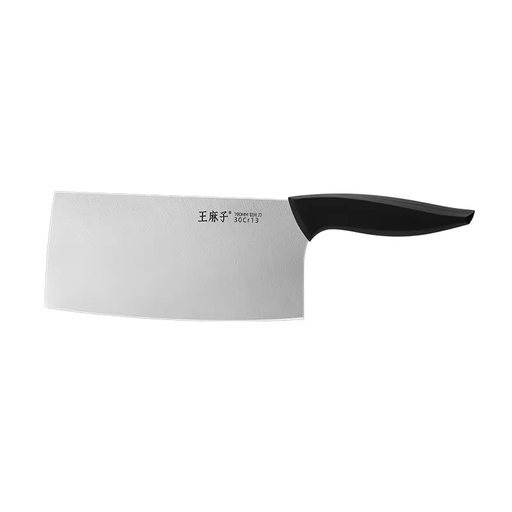
Why This Fits Their Persona: This is an ideal first Chinese cleaver for someone who wants versatility without high maintenance. It's designed for daily tasks like chopping vegetables and slicing boneless meat, making it a true workhorse for the average family kitchen.
It is a dedicated slicing cleaver, not a heavy chopper, preventing misuse and blade damage. The stainless steel construction avoids the rust issues common with high-carbon steel, making it practical for busy cooks.
Low-maintenance and versatile for everyday prep. The 190 mm blade is a manageable size for most home users, offering good control.
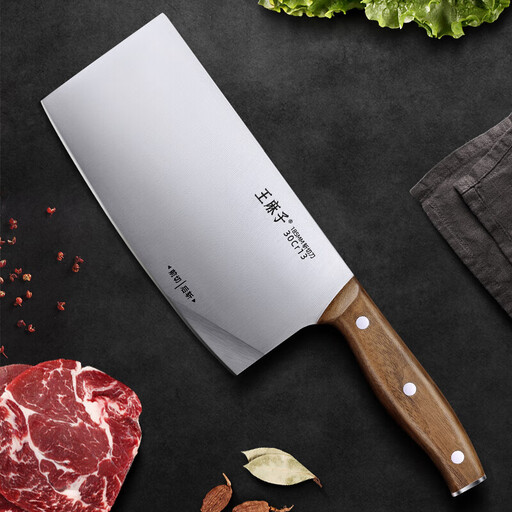
Why This Fits Their Persona: For the home cook who does their own butchery, portions large cuts of meat or frequently cooks with bone-in joints. This is a purpose-built tool for heavy-duty tasks where a standard chef knife would fail.
This is a specialised bone chopper, clearly distinguished from a slicing cleaver. Its thick, heavy blade is engineered to absorb impact, avoiding the "one-knife-fits-all" pitfall and preventing damage.
Robust construction for durability and power. The solid walnut handle provides a secure, comfortable grip for forceful chopping tasks.
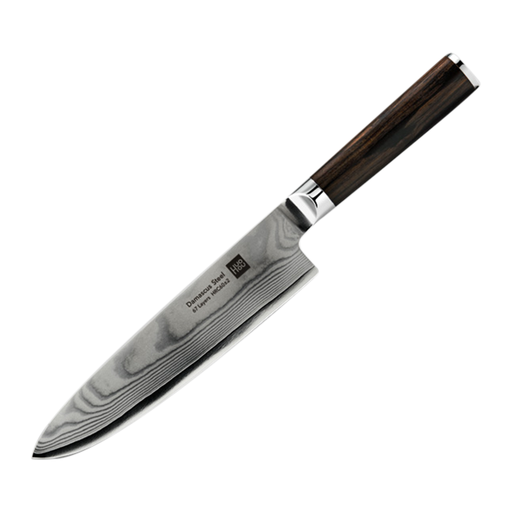
Why This Fits Their Persona: For the passionate cook who appreciates fine craftsmanship, superior performance and aesthetics. This knife combines a beautiful finish with a high-performance cutting core, making it a centrepiece tool for a discerning chef.
While it features a Damascus pattern, the product information specifies the high-performance 90Cr14MoV core steel, allowing you to look past the aesthetics to the functional quality. The ergonomic ebony handle and balanced design address the comfort and control pitfall.
Combines high-end aesthetics with a very sharp, durable cutting edge. The 67-layer construction and ebony handle signal a premium build quality.
We have compiled a complete, real-time list of products that fully satisfy these strict selection criteria and UK safety regulations.
The best method is using a whetstone. Because of the wide blade, it's important to maintain a consistent, low angle (around 15-20 degrees for a slicer) as you draw the knife across the stone. For day-to-day maintenance between sharpenings, a few passes on a honing rod will help keep the edge aligned.
No. You should never put a high-carbon steel knife in a dishwasher. The combination of harsh detergents, high heat and prolonged exposure to moisture will cause it to rust very quickly and can damage or warp wooden handles. Always hand wash your cleaver with mild soap and warm water, and dry it completely with a cloth immediately after use.
While they may look superficially similar, their functions differ. A Western meat cleaver is almost exclusively a heavy, thick bone chopper designed for butchery. A Chinese cleaver, particularly the slicing (Cai Dao) variety, is a much more versatile, all-purpose chef knife. It is lighter and thinner, designed for the precision tasks of slicing, dicing and mincing vegetables and boneless meats, which a Western cleaver cannot do effectively.