
24/7 Customer Support

Free returns

Same-day & Next-day Delivery

Quality Guaranteed

Unlock Your Welcome Offers: FREE Delivery | Up to 80% OFF | Free 30-day JoyPlus trial
Download the APP
Navigating the world of authentic Chinese cooking pastes can feel overwhelming. Stroll down the aisle of a specialist store or browse online, and you're met with a wall of jars, each promising the key to genuine flavour. Yet, many UK home cooks find their homemade Mapo Tofu or Zhajiangmian lacks the depth and character of a restaurant-quality dish. Often, the issue isn't the recipe, but the paste itself.
As the Joybuy Product Recommendation Officer, my role is to help you see past the marketing and identify the products that deliver on their promise. Here are the common pitfalls to avoid when stocking your pantry with Chinese pantry staples in the UK.
To ensure you're buying the right product for your culinary adventures, focus on these key parameters. They are the non-negotiable checks that separate a worthwhile purchase from a disappointing one.
The foundation of any paste determines its core flavour and use. Understanding the difference is crucial.
Where a paste comes from matters. A paste from Sichuan will have a fiery, bold character, while one from Beijing might be more savoury and mellow. For specific regional dishes, using a paste from that area is often the only way to achieve the correct flavour profile. For example, if a recipe calls for Pixian doubanjiang, a generic chilli bean sauce will not be a suitable substitute.
When inspecting the jar, look for two things. First, the presence of a vibrant "red oil" (hong you) often indicates a Sichuan-style paste that has been prepared with oil, making it ready to bloom its fragrance in a hot wok. Second, check the ingredients for the primary fermented product. High-quality pastes will proudly state their core component, such as fermented black beans (douchi) or non-GMO soybeans and will have a shorter, more recognisable ingredient list.
To help you start your collection, we've matched a few standout products to different types of home cooks.
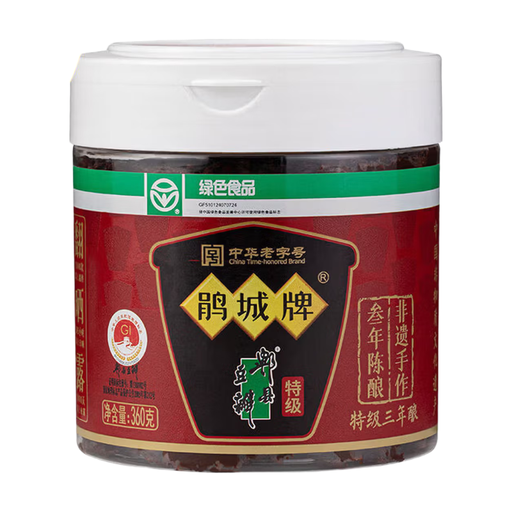
Why This Fits Their Persona: This cook is dedicated to recreating authentic Sichuan dishes like Mapo Tofu or Twice-Cooked Pork. They need the foundational, savoury heat that only a true Pixian broad bean paste can provide.
This is not a generic chilli sauce. As a premium grade Pixian broad bean paste from a time-honoured brand, it sidesteps the "one-size-fits-all" trap by offering a specific, regionally authentic flavour profile essential for Sichuan cooking.
Made with broad beans and red chillies through traditional fermentation, it delivers a complex, savoury depth that cannot be rushed. It requires frying in oil to release its full aroma.
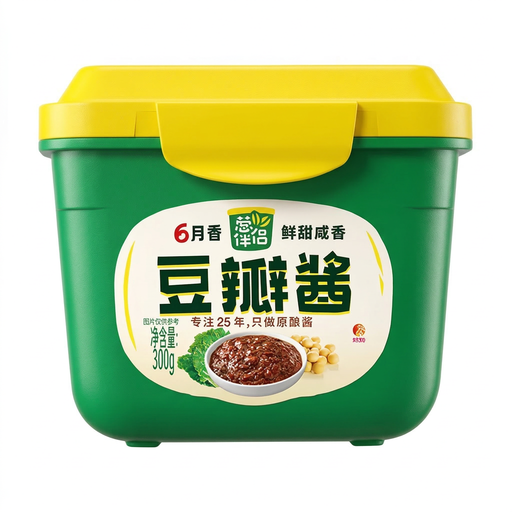
Why This Fits Their Persona: This user wants a versatile workhorse for their pantry. They cook a variety of Chinese dishes and need a reliable soybean paste (huang dou jiang) for stir-fries, braises and dipping sauces.
It avoids the vague labelling trap by clearly being a huang dou jiang made from non-GMO soybeans. Its primary ingredients are clear, ensuring you get the authentic, savoury flavour you expect from a quality soybean paste.
Delivers a rich, savoury umami flavour from careful fermentation. It's versatile enough to be used straight out of the box as a dipping sauce or as a flavour base in cooked dishes.
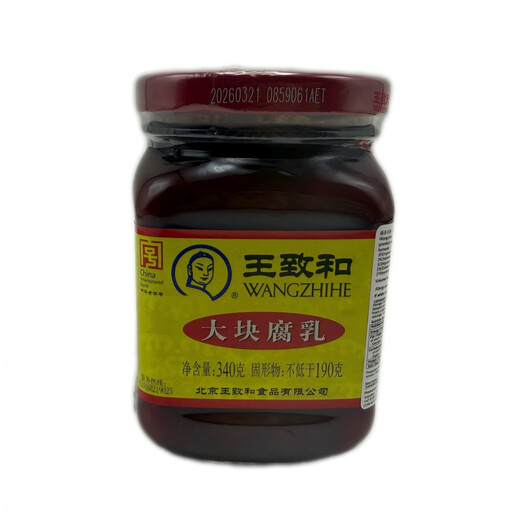
Why This Fits Their Persona: This cook has mastered the basics and is looking for unique, potent flavours. Fermented bean curd (furu) offers a completely different taste experience—intensely savoury, creamy and almost cheese-like.
This product introduces a new category of flavour, moving beyond the common pastes. By choosing a brand established in 1669, you are guaranteed an authentic product made with traditional brewing techniques, avoiding modern, flavour-enhanced imitations.
Offers a unique, powerful umami kick. It can be used as a simple condiment with congee or rice, or mashed into marinades and sauces to add an incredible depth of flavour that no other ingredient can replicate.
We have compiled a complete, real-time list of products that fully satisfy these strict selection criteria and UK safety regulations.
This is a common point of confusion. While both are fermented spicy pastes, they are not interchangeable. Doubanjiang is a Chinese paste, typically made from broad beans and/or soybeans, and its flavour profile is primarily salty, savoury and pungent. Gochujang is a Korean paste made from red chilli powder, glutinous rice, fermented soybeans and salt; it is generally sweeter and has a smoother consistency.
Due to their high salt content, most fermented pastes are well-preserved. Once opened, they should be stored in the refrigerator with the lid tightly sealed. They can last for many months, if not longer. For pastes like doubanjiang, ensuring a thin layer of oil covers the surface can help prolong freshness. Always check the manufacturer's storage instructions on the packaging.
It depends on the paste. Pungent cooking pastes like Pixian broad bean paste must be fried in oil at the start of the cooking process. This step, known as bao xiang (爆香), is essential to release their deep aroma and flavour. Other pastes, such as some varieties of soybean paste or fermented bean curd (furu), are ready to eat and can be used directly as dipping sauces or condiments.