
24/7 Customer Support

Free returns

Same-day & Next-day Delivery

Quality Guaranteed

Unlock Your Welcome Offers: FREE Delivery | Up to 80% OFF | Free 30-day JoyPlus trial
Download the APP
Navigating the world of Chinese cooking sauces can feel overwhelming. The shelves are packed with bottles promising authentic flavour, but it's easy to end up with a pantry full of condiments that don't quite deliver. As home cooks in the UK explore the incredible diversity of Chinese cuisine, from fiery Sichuan dishes to delicate Cantonese stir-fries, choosing the right sauce becomes crucial.
Many find themselves disappointed by sauces that taste one-dimensionally salty or are packed with sugar and little else. To help you stock your kitchen with confidence, we've identified the common pitfalls to watch out for and the key factors to check before you buy.
To avoid these traps, focus on a few non-negotiable details. A quick look at the label can tell you everything you need to know.
The ingredients are listed by weight, from highest to lowest. This is the most reliable way to gauge a sauce's quality.
Chinese cuisine uses a wide array of sauces, each with a specific role. Understanding the category helps you use it correctly.
Instead of a generic list, we've matched some standout options to the home cooks who will appreciate them most.
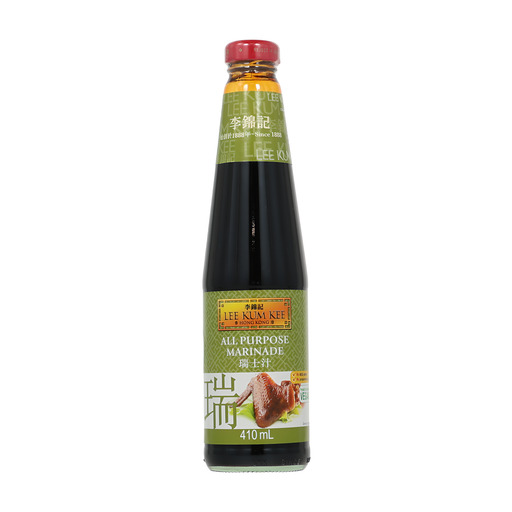
Why This Fits Their Persona: This is the perfect shortcut for anyone wanting a delicious, authentic meal without the fuss. It's ideal for making the classic Hong Kong dish of "Swiss" chicken wings or for quickly marinating pork chops or chicken thighs before grilling or baking.
It sidesteps the "one-size-fits-all" trap by being a specific, classic Cantonese Chinese marinade. It delivers a reliable sweet and savoury soy-based flavour, not a generic salty taste.
Ready to use straight from the bottle, saving time on measuring and mixing multiple ingredients. Delivers a consistent and authentic Hong Kong-style flavour.
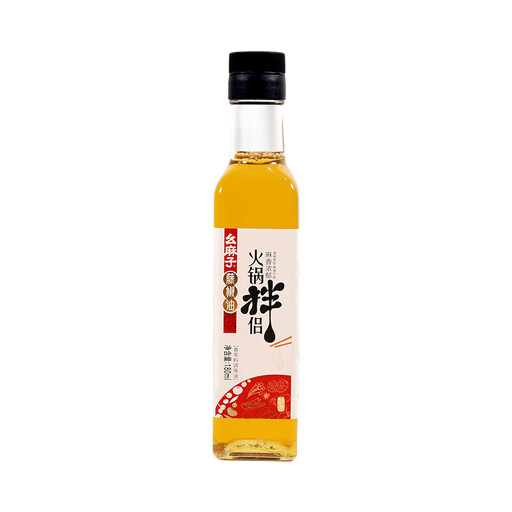
Why This Fits Their Persona: For the cook dedicated to recreating the true taste of Sichuan, this oil is a must-have. It provides the signature málà (numbing) sensation that is the hallmark of the region's cuisine. It's perfect for drizzling over mapo tofu, dan dan noodles or creating a personalised hot pot dipping sauce.
This product is clearly defined as a finishing/dipping oil, preventing the user from mistakenly using it for high-heat frying (Trap 3). Its high concentration of Green Sichuan pepper oil (60%) ensures potent, authentic flavour, not just filler oil (Trap 2).
Made using a traditional pressing technique for a fresh, numbing taste without bitterness. The simple, clean ingredient list focuses purely on delivering its signature flavour.
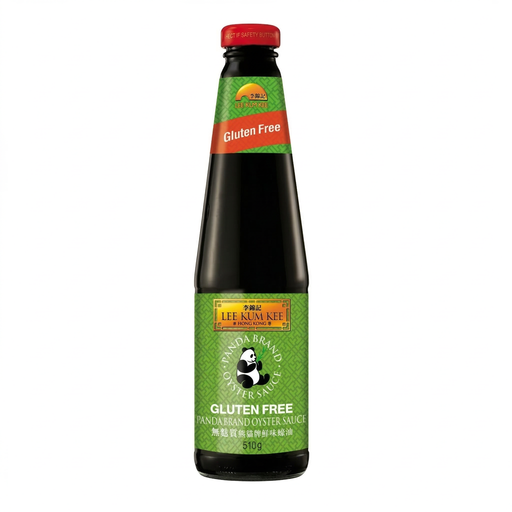
Why This Fits Their Persona: For those with coeliac disease or a gluten intolerance, finding staple Asian condiments can be a challenge. This sauce allows them to enjoy the rich, umami flavour of oyster sauce in countless dishes without worry.
It avoids the common pitfall of dietary alternatives being bland or texturally inferior. This gluten free oyster sauce is specifically formulated by a leading brand to mimic the flavour and consistency of their classic version, ensuring no compromise on taste.
Certified gluten-free, providing a safe and reliable option. Made by Lee Kum Kee, a globally recognised brand known for quality and consistency.
We have compiled a complete, real-time list of products that fully satisfy these strict selection criteria and UK safety regulations.
1. How long do Chinese cooking sauces last once opened? Most salt-based sauces like soy sauce and oyster sauce are quite stable. Once opened, they should be refrigerated and can last for several months to a year. Sauces containing oils, fresh chillies or garlic, such as some chilli oil varieties, have a shorter shelf life and should be consumed more quickly. Always refer to the storage instructions on the packaging.
2. What is the difference between light and dark soy sauce? This is a fundamental distinction in Chinese cooking. Light soy sauce (生抽, shēng chōu) is thinner, lighter in colour and saltier. It is the primary seasoning for adding umami flavour. Dark soy sauce (老抽, lǎo chōu) is aged longer with molasses, making it thicker, much darker and less salty but with a hint of sweetness. Its main purpose is to add a rich, caramel colour to dishes like red-braised pork.
3. Can I use a stir-fry sauce as a marinade? While you can in a pinch, it may not yield the same results. Chinese marinades are specifically formulated with ingredients that help tenderise meat and penetrate it over a period of hours. A stir fry sauce is designed for the high, fast heat of a wok and may not flavour the interior of the meat as effectively when used for a long marinade. For the intended flavour and texture, it is always advisable to use a sauce for its designated purpose.