
24/7 Customer Support

Free returns

Same-day & Next-day Delivery

Quality Guaranteed

Unlock Your Welcome Offers: FREE Delivery | Up to 80% OFF | Free 30-day JoyPlus trial
Download the APP
Navigating the world of Chinese cooking sauces can feel overwhelming. You stand in the aisle, or scroll online, faced with dozens of bottles that look remarkably similar. You’re trying to recreate that perfect sweet and sour pork or a fiery Sichuan dish from your favourite restaurant, but you end up with a sauce that tastes disappointingly generic. If this sounds familiar, you are not alone.
Many home cooks in the UK find themselves caught in a few common traps when buying these essential pantry staples. Understanding these pitfalls is the first step to stocking your kitchen with sauces that deliver genuine flavour, helping you create delicious, authentic meals with confidence.
To avoid these traps, it helps to know what to look for. Instead of relying on the front label, turn the bottle around and focus on these three critical parameters.
The primary ingredient dictates the sauce's entire purpose and flavour profile. Understanding this helps you choose the right tool for the job.
Chinese cuisine is incredibly diverse. A sauce designed for a Cantonese dish will be completely different from one used in Sichuan cooking.
A shorter, more recognisable ingredient list is often a good sign. While flavour enhancers like MSG are traditional in many Asian cuisines, be wary of sauces where the primary ingredients are followed by a long list of starches, gums and artificial flavourings. High-quality sauces let the natural flavour of the chilies, soybeans or mushrooms shine through.
To help you choose, we've matched some excellent options to different cooking styles and needs. These selections are based on their authentic flavour profiles and suitability for creating specific, delicious dishes at home.
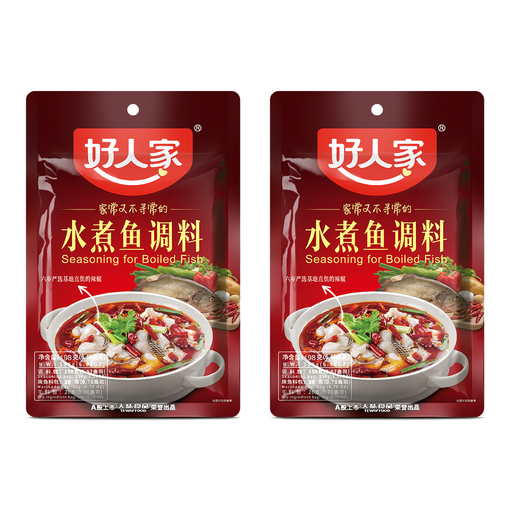
Why This Fits Their Persona: For the home cook eager to tackle an iconic Sichuan dish, this kit demystifies the process. It provides the specific, potent flavour base needed for authentic Sichuan boiled fish (*Shui Zhu Yu*), a dish that is difficult to replicate by just using a generic chili sauce.
This is the opposite of an "all-purpose" sauce. It is a purpose-built Sichuan cooking sauce kit, delivering the authentic numbing (ma) and spicy (la) flavour profile that defines the dish, preventing a generic, one-note result.
Includes the complete seasoning mix, including the crucial chili, Sichuan pepper and fermented black beans. This removes the need to source multiple niche ingredients separately.

Why This Fits Their Persona: Perfect for communal dining, this Chinese hot pot base offers a rich, tangy and savoury flavour that is a favourite among families and those who prefer a non-spicy option. It's a crowd-pleaser that pairs well with a wide variety of meats, seafood and vegetables.
This base avoids the "sweetness overload" trap. Its flavour comes from a high concentration of real tomato paste (55%), providing a natural tang rather than relying on excessive sugar. It's an authentic, popular hot pot choice in its own right.
The rich, smooth texture creates a satisfying soup base without the heaviness of oil-based broths. It is also highly versatile and can be used as a base for a delicious tomato noodle soup.
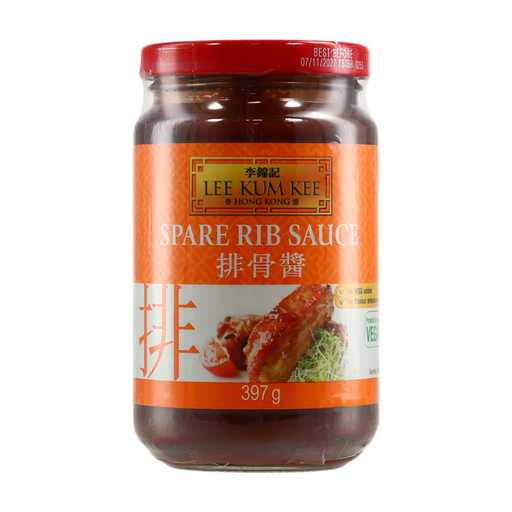
Why This Fits Their Persona: For those who need a reliable, quick and flavourful solution for a midweek dinner, this sauce is ideal. It's a convenient all-in-one marinade and glaze that takes the guesswork out of making classic Chinese-style spare ribs, pork chops or chicken wings.
This is a specialised spare rib marinade, not a generic stir-fry sauce. It is formulated to provide the specific sweet, savoury and slightly sticky glaze characteristic of the dish, ensuring consistent and authentic results every time.
Extremely versatile for oven-baking, grilling and slow-braising. It works as both a marinade to tenderise the meat and a finishing glaze to give it an appetising colour and shine.
We have compiled a complete, real-time list of products that fully satisfy these strict selection criteria and UK safety regulations.
This depends on the type of sauce. High-salt sauces like light or dark soy sauce can last for many months in the pantry. However, sauces containing fermented ingredients, garlic or chili, such as fermented bean paste or chili-garlic sauce, should always be refrigerated after opening. To maximise their lifespan, use a clean spoon each time and wipe the rim of the jar before sealing. It's best to consume them within 1 to 3 months for optimal flavour.
Yes, absolutely. A concentrated Chinese hot pot base is a fantastic shortcut for adding complex flavour to other meals. You can dilute it with more water or stock to create a quick and flavourful noodle soup. A small amount can also be used to season a stir-fry or to create a flavourful liquid for braising meat and vegetables. The rich mushroom soup base options are particularly good for this.
This is a crucial distinction for any home cook. Light soy sauce (sheng chou) is thinner, lighter in colour and saltier. Its primary role is to add savoury flavour (umami) and seasoning to a dish. Dark soy sauce (lao chou) is aged longer, often with a little molasses, making it thicker, darker and less salty with a hint of sweetness. Its main purpose is to add a rich, appetising dark colour to braised dishes and stews. A well-stocked pantry should ideally have both.