
24/7 Customer Support

Free returns

Same-day & Next-day Delivery

Quality Guaranteed

Unlock Your Welcome Offers: FREE Delivery | Up to 80% OFF | Free 30-day JoyPlus trial
Download the APP
As a Joybuy Product Recommendation Officer, my role is to help you navigate the crowded online marketplace. When it comes to recreating authentic Chinese flavours at home, the sauce aisle can be particularly confusing. Many UK shoppers find themselves with a cupboard full of bottles that promised much but delivered little, either tasting nothing like the restaurant version or gathering dust after a single use.
Let's look at the common pitfalls that lead to disappointment and wasted money and how you can stock your pantry with confidence.
To avoid these issues, focus on two core parameters before adding any sauce to your basket. This simple check can be the difference between a flavourful investment and a cupboard filler.
The foundation of any great sauce is its ingredients. For authentic Chinese condiments, this is paramount.
mushroom sauce or a chilli-based product, look at the ingredient list. A quality product will list the key ingredient (e.g., mushrooms, chillies) high up and often specify its percentage. A sauce with "48% mushrooms" will have a vastly different character from one where mushrooms are listed after oil, water and sugar.Not all sauces are created equal. Understanding their intended function is crucial for getting the results you want.
sauce for rice.chilli oil or sesame oil are typically drizzled over a dish just before serving to add fragrance and a final layer of flavour. They are not usually used for high-heat cooking, which can destroy their delicate aromas.Based on these principles, here are some recommendations tailored to different needs and cooking styles, helping you build a versatile collection of Asian pantry staples UK.
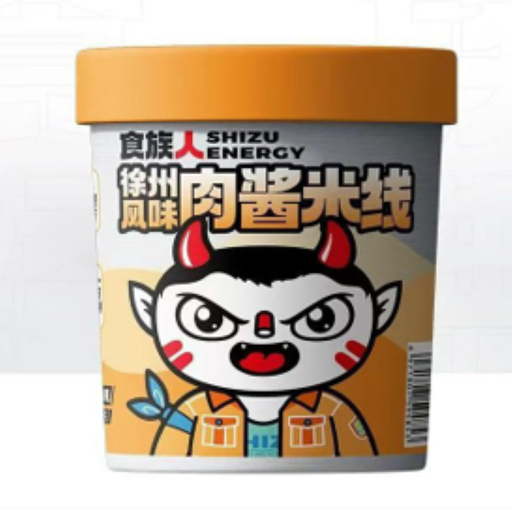
Why This Fits Their Persona: Perfect for students or professionals in the UK needing a quick, satisfying meal that doesn't compromise on flavour. These instant rice noodles provide a complete, restaurant-style experience in minutes.
This is a complete meal kit with perfectly portioned sauces. It eliminates the guesswork of balancing flavours and avoids the "single-use speciality" trap by providing everything needed for one delicious meal.
Delivers a complex, authentic Xuzhou-style flavour profile with multiple seasoning packs for customisation. Far superior to a single, one-note sauce.

Why This Fits Their Persona: For the home cook looking to build a reliable pantry of Chinese condiments. This sauce is a versatile workhorse for anyone exploring Cantonese cuisine or simply wanting a flavourful sauce for rice.
Its name clearly defines its primary uses, preventing confusion. As a product from the well-known Lee Kum Kee sauces range, it offers a consistent and balanced Hong Kong-style flavour, avoiding the "overly sweet" trap of Westernised versions.
Extremely versatile: use it as a dipping sauce for dumplings and spring rolls, a drizzle over plain rice or noodles or as a glaze for meats. A true multi-purpose staple.
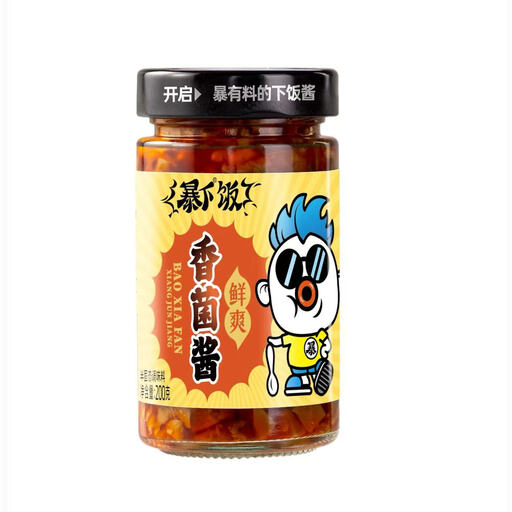
Why This Fits Their Persona: For the cook who has the basics covered and is seeking bold, impactful flavours. This Sichuan speciality mushroom sauce is a condiment that instantly transforms simple dishes.
It directly counters the "vague condiment" trap with a stated 48% marinated edible mushroom content. Its flavour profile is unapologetically bold and spicy, delivering the authentic Sichuan kick that generic sauces lack.
A ready-to-eat flavour bomb. Adds a rich, savoury and spicy dimension to noodles, rice, steamed buns or even scrambled eggs with zero effort.
We have compiled a complete, real-time list of products that fully satisfy these strict selection criteria and UK safety regulations.
1. How long do Chinese cooking sauces last after opening? Most fermented sauces like soy sauce and vinegar are quite stable, but it's always advisable to check the packaging. As a general rule, store them in a cool, dark place and refrigerate after opening to preserve their flavour. Sauces containing oils, chilli or garlic, such as chilli oil and many jarred condiments, should always be refrigerated to prevent spoilage and maintain their aromatic quality.
2. What are the essential Chinese condiments for a beginner's pantry in the UK? A great starting point would be a quality light soy sauce (for seasoning), a dark soy sauce (for colour and deeper flavour), a seasoned rice vinegar (for acidity and balance) and an aromatic oil like sesame oil. With these four, you can create a base for many marinades, dipping sauces and stir-fries.
3. Can I use a 'sauce for rice' in stir-frying? It depends on the sauce. Many sauces for rice are thicker and sweeter, designed as a finishing condiment rather than a cooking base. Adding them too early to a hot wok can cause the sugars to burn. It is generally better to use them as intended—drizzled over the dish after cooking—or added in the final moments of stir-frying to coat the ingredients without burning.