
24/7 Customer Support

Free returns

Same-day & Next-day Delivery

Quality Guaranteed

Unlock Your Welcome Offers: FREE Delivery | Up to 80% OFF | Free 30-day JoyPlus trial
Download the APP
Recreating the vibrant, complex flavours of your favourite Chinese restaurant dishes at home can feel like a challenge. The supermarket aisle presents a dizzying array of bottles, all promising authentic taste. Yet, many home cooks find themselves disappointed, their cupboards filled with half-used jars that didn't quite deliver.
As a Joybuy Product Recommendation Officer, my role is to help you navigate these choices. We often see shoppers fall into a few common traps when buying Chinese cooking sauces. By understanding them, you can stock your pantry with confidence and start making meals that truly satisfy.
To avoid these issues, it pays to look past the front label and analyse a couple of key details. This ensures you are buying a product that suits your cooking style and delivers the flavour you expect.
The foundation of many authentic Chinese cooking sauces lies in fermented ingredients. Before you buy, scan the ingredients for items like fermented soybeans, bean paste (doubanjiang) or high-quality soy sauce listed near the top. These provide the savoury, umami-rich base that sugar alone cannot replicate. If the first few ingredients are primarily water, sugar and modified cornflour, the sauce may lack complexity. This is a key differentiator between a simple glaze and a genuine Asian condiment for your UK kitchen.
Consider how you plan to use the sauce. Building a versatile collection of pantry sauces is often more practical than buying a different sauce for every dish.
Based on these principles, here are a few recommendations matched to different types of home cooks in the UK.
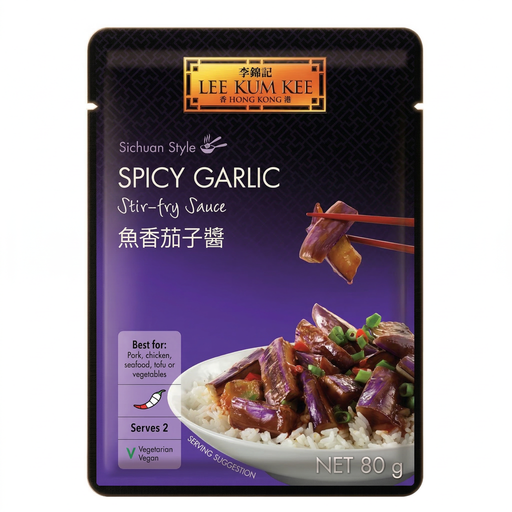
Why This Fits Their Persona: This is for the busy individual or family who wants an authentic-tasting meal without the fuss. The single-use pouch is perfect for a quick stir-fry for two, ensuring no waste and maximum convenience after a long day.
It directly solves the "single-use surplus" problem. You use the entire packet in one go, so there are no half-empty jars cluttering the fridge.
Provides a balanced, authentic Sichuan "Yu Xiang" (fish-fragrant) flavour profile that is difficult to create from scratch. It takes the guesswork out of seasoning.
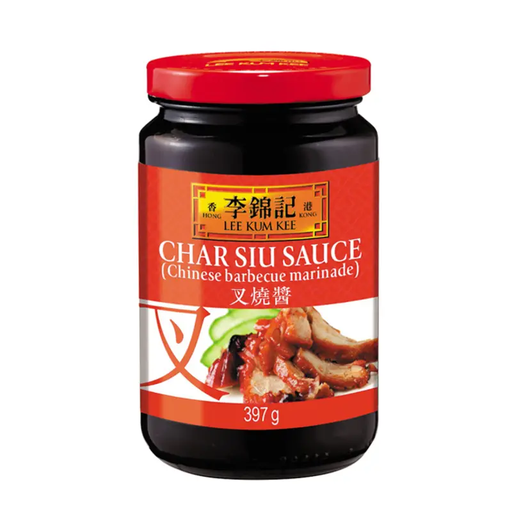
Why This Fits Their Persona: For the cook who wants to master specific, restaurant-quality dishes. This sauce is the key to recreating authentic Cantonese barbecue pork, a dish that defines a good Chinese takeaway for many in the UK.
This is a specialist sauce, not a generic "barbecue" flavour. It avoids the "one-note wonder" trap by using fermented bean paste and honey for a complex, sweet-and-savoury profile.
It functions as both a marinade and a glaze, simplifying the cooking process. It's also versatile enough for grilling, roasting or even air-frying chicken wings.
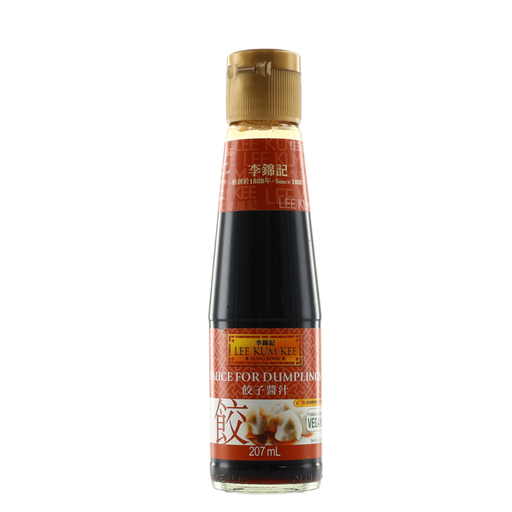
Why This Fits Their Persona: Perfect for anyone who loves making or eating dumplings, gyoza or wontons. This ready-to-use **dumpling dipping sauce** saves you from having to mix soy sauce, vinegar and sesame oil yourself, offering a perfectly balanced dip every time.
It sidesteps the "vague label" issue. This isn't just soy sauce; it's a carefully blended sauce with rice vinegar and sesame oil for a complete, multi-layered flavour.
Ultimate convenience. Just pour and serve. It provides a consistent, restaurant-style dipping experience for pan-fried, steamed or boiled dumplings.
The world of Asian condiments extends beyond savoury sauces for stir-frying. There is a growing appreciation for sweet and spicy flavours, often found in jams and pastes that can be used as glazes, dips or spreads. A quality chilli jam, for instance, can add a wonderful sweet heat to grilled meats, cheese boards or even sandwiches. These versatile products bridge the gap between traditional cooking sauces and modern pantry staples. For example, the Welshhomestead Smoked Red Habanero & Strawberry Smoked Chilli Jam combines fruity sweetness with smoky heat, making it a fantastic glaze for chicken or a dip for spring rolls.
We have compiled a complete, real-time list of products that fully satisfy these strict selection criteria and UK safety regulations.
1. How long do Chinese cooking sauces last after opening? Most soy-based or vinegar-based sauces are quite stable. Once opened, they should be refrigerated and will typically last for several months. Always check the label for specific storage instructions. Sauces with a higher sugar content, like sweet and sour sauce or Hoisin sauce, can also last a long time in the fridge. Creamier sauces like those containing sesame paste or peanuts may have a shorter shelf life, so it is wise to consume them within a few weeks.
2. Can I use Char Siu sauce for chicken or beef? Absolutely. While traditionally used for pork, Char Siu sauce is an excellent marinade and glaze for chicken thighs or wings, providing a delicious sweet and sticky coating. It can also be used to add flavour to beef skewers or even roasted vegetables.
3. What is the difference between light and dark soy sauce? This is a crucial distinction for Chinese cooking. Light soy sauce (生抽, sheng chou) is thinner, lighter in colour, and saltier. It is used for seasoning and adding umami without significantly darkening the dish. Dark soy sauce (老抽, lao chou) is aged longer with molasses or caramel, making it thicker, darker, and less salty but with a richer, slightly sweet flavour. It is used primarily for adding a deep, reddish-brown colour to dishes like red-braised pork. Having both in your pantry is recommended for authentic results.