
24/7 Customer Support

Free returns

Same-day & Next-day Delivery

Quality Guaranteed

Unlock Your Welcome Offers: FREE Delivery | Up to 80% OFF | Free 30-day JoyPlus trial
Download the APP
As a Joybuy Product Recommendation Officer, I often hear from UK home cooks who are frustrated. You follow a recipe for an authentic Chinese dish meticulously, but the final result lacks the depth and character of the food you enjoy in restaurants or remember from your travels. More often than not, the culprit is hiding in plain sight: the sauce.
Navigating the world of Chinese cooking sauces can be confusing. Supermarket aisles present a simplified version, while specialised shops can be overwhelming. This guide will help you sidestep common purchasing mistakes and identify the foundational condiments that will genuinely elevate your cooking.
Before you buy another jar, be aware of these frequent traps that lead to disappointing meals and wasted money:
To ensure you are buying a product that delivers on flavour, focus on these core parameters.
The secret to a sauce's authenticity lies in its ingredient list and origin. For foundational pastes, the primary ingredient should be listed first and in a high concentration.
A prime example is doubanjiang, or fermented broad bean paste, the soul of Sichuan cooking. An authentic version should have broad beans (fava beans) and chillies as its main components. Furthermore, products from specific regions, like Pixian in Sichuan, are renowned for their traditional production methods and are often a hallmark of quality. Always check the label for the ingredient percentages to understand what you are truly paying for.
Many of the most complex and savoury (umami) flavours in Chinese cuisine come from fermentation. This slow, natural process creates a depth of flavour that simply mixing ingredients cannot replicate.
Choosing the right format is crucial for achieving the desired result in your cooking.
Based on these principles, here are some recommendations matched to different cooking styles and needs.
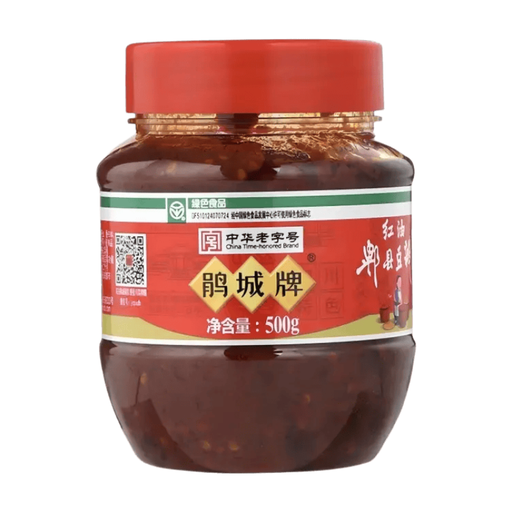
Why This Fits Their Persona: For anyone serious about cooking authentic Sichuan dishes like Mapo Tofu or Twice-Cooked Pork, a proper Pixian doubanjiang is non-negotiable. This provides the foundational savoury, spicy and deeply fermented flavour that defines the cuisine.
This is a specialised, fermented product from a recognised origin, not a generic, sugary stir-fry sauce. Its primary ingredients are red chillies and broad beans, ensuring authentic flavour.
Certified as an intangible cultural heritage product, indicating traditional craftsmanship. The 500g pack is practical for regular use.
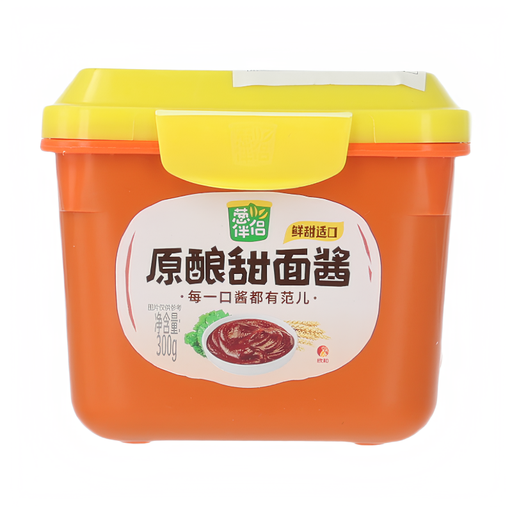
Why This Fits Their Persona: This cook explores various Northern Chinese dishes, from Zha Jiang Mian (fried sauce noodles) to Peking duck. A reliable sweet bean sauce is a pantry essential for its unique sweet-savoury profile.
Unlike overly sweet hoisin sauces found in supermarkets, this is a fermented soybean-based paste. With 26.5% soybean content, it offers a genuine, balanced flavour rather than just sugar.
Its smooth, fine texture makes it ideal for creating sauces. It is versatile enough for dipping, stir-frying and marinating.
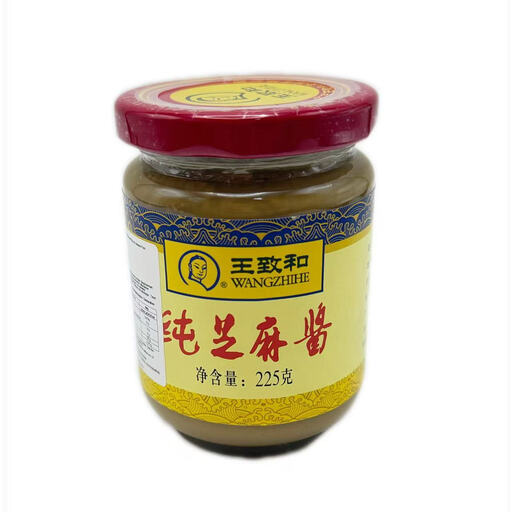
Why This Fits Their Persona: A rich, creamy Chinese sesame paste is the heart of many hot pot dipping sauces and cold noodle dressings. This user values a pure base they can customise with garlic, vinegar and chilli oil.
This product contains only one ingredient: 100% sesame. It avoids the trap of diluted pastes that are bulked up with other oils or starches, delivering a pure, intense sesame flavour.
The pure composition allows for maximum versatility. The Wangzhihe brand is a time-honoured name in China, known for its traditional condiments.
We have compiled a complete, real-time list of products that fully satisfy these strict selection criteria and UK safety regulations.
1. How long do Chinese cooking sauces last after opening? Most fermented pastes and chilli oils are high in salt or oil, which act as natural preservatives. Generally, they should be stored in the refrigerator after opening and can last for several months. Always check the packaging for specific storage instructions. Use a clean spoon for each use to prevent contamination.
2. Do I need to cook doubanjiang (fermented bean paste) before eating? Yes. Doubanjiang is a raw, fermented paste and is not intended for direct consumption. It should be fried in oil (a process called 'bao xiang') at the beginning of the cooking process. This step is crucial to mellow its raw, salty edge and release its deep, complex aroma, which then forms the flavour base of the dish.
3. What is the difference between Chinese sesame paste and tahini? While both are made from sesame seeds, they are not always interchangeable. Chinese sesame paste is typically made from toasted sesame seeds, giving it a darker colour and a deeper, nuttier and more intense flavour. Middle Eastern tahini is often made from raw or very lightly toasted seeds, resulting in a milder, lighter paste. For authentic Chinese dishes like Dan Dan noodles or hot pot dips, using Chinese sesame paste is recommended.