
24/7 Customer Support

Free returns

Same-day & Next-day Delivery

Quality Guaranteed

Unlock Your Welcome Offers: FREE Delivery | Up to 80% OFF | Free 30-day JoyPlus trial
Download the APP
Recreating the vibrant, complex flavours of Chinese cuisine at home can be incredibly rewarding. However, a trip to the supermarket or a browse online can leave you facing a bewildering array of bottles and jars. Getting it wrong often means a dish that tastes flat, overly salty or simply nothing like the restaurant version you were hoping for. As the Joybuy Product Recommendation Officer, my role is to help you navigate this landscape and choose the right ingredients to build your perfect Asian pantry staples.
Many home cooks in the UK fall into a few common traps when buying Chinese cooking sauces. Understanding these can save you both money and culinary disappointment.
To avoid these pitfalls, focus on a few core parameters before you buy. This isn't about becoming a food scientist; it's about making a quick, informed check that ensures you're getting authentic flavour.
UK food labelling regulations require a Quantitative Ingredient Declaration (QUID) for key ingredients. This is the single most useful piece of information on the bottle. For an oyster sauce, look for the percentage of oyster extract. For a broad bean paste (doubanjiang), check the percentage of broad beans. A higher percentage generally indicates a richer, more authentic flavour and better value.
Instead of reaching for a generic stir-fry sauce, think about the dish you want to create.
Take a quick look at the first few ingredients. Are they the core components you expect, like soybeans, chillies or oysters? Or are they primarily water, sugar and salt, followed by a long list of flavour enhancers and thickeners? While additives are not inherently bad, a simpler ingredient list often points to a more traditional and focused flavour profile. This is particularly true for products like chilli oils or spice mixes.
Based on these principles, here are a few recommendations tailored to different cooking needs and preferences.

Why This Fits Their Persona: This is a foundational sauce for anyone regularly cooking Chinese food. It's the workhorse of a Cantonese-style pantry, perfect for adding savoury umami depth to everything from broccoli stir-fries to marinades for chicken and pork.
Instead of a vague "stir-fry sauce," this is a specific, authentic condiment. The label clearly states it contains 5% oyster extract, allowing you to make an informed choice based on a declared key ingredient.
Versatile for stir-frying, braising and marinating. Produced by a globally recognised brand known for consistent quality.

Why This Fits Their Persona: For anyone who loves the hot pot experience but wants the convenience of recreating it at home. This seasoning mix from the famous restaurant chain provides a complex, layered soup base without the hassle of sourcing dozens of spices.
This is a highly specific product, not a generic "soup stock." It's designed to replicate a particular restaurant-style flavour (hot and sour beef), delivering an authentic and targeted taste experience.
Extremely convenient—just dissolve in water or broth. It can also be used as a base for noodle soups or as a flavourful marinade.
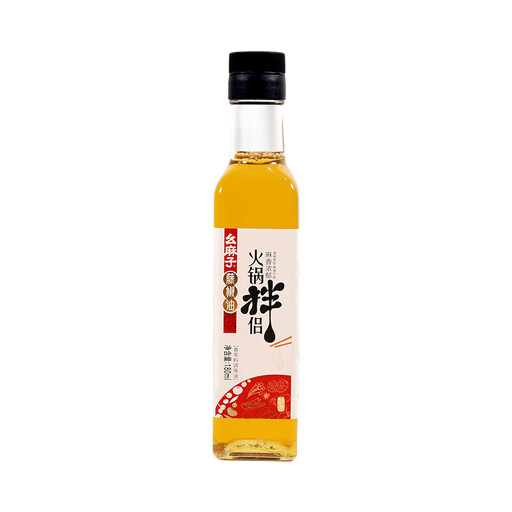
Why This Fits Their Persona: For the cook who wants to master the authentic numbing tingle of Sichuan cuisine. This isn't just heat; it's about the unique 'ma' flavour from high-quality green Sichuan peppercorns. It's perfect for drizzling over noodles, cold dishes or adding to a dipping sauce.
This product has a very clean and simple ingredient list, with 60% green Sichuan pepper oil. It focuses on one thing—delivering a pure, fresh numbing taste—rather than being a generic, muddled chilli oil.
Delivers an authentic, bright numbing flavour without bitterness. The brand highlights its use of a traditional pressing technique, indicating a focus on quality.
We have compiled a complete, real-time list of products that fully satisfy these strict selection criteria and UK safety regulations.
Most sauces, especially those containing soy, vinegar or high salt content, are quite stable. However, for the best flavour, it's recommended to store them in the refrigerator after opening. Always check the packaging for specific storage instructions. As a general rule, sauces like soy sauce and vinegar can last for many months, while oyster sauce or bean pastes should be consumed within a few months.
This is a common point of confusion. Light soy sauce (生抽, shēng chōu) is thinner, lighter in colour and saltier. It's used for seasoning and adding umami without significantly darkening the dish. Dark soy sauce (老抽, lǎo chōu) is aged longer with molasses or caramel, making it thicker, darker and less salty but with a slight sweetness. It's used primarily for adding a rich, caramel colour to dishes like braised pork belly. Most recipes will specify which one to use.
Absolutely. A flavourful hot pot base is a versatile concentrate. You can use a small amount to create a quick and deeply flavourful broth for a bowl of noodles, as a potent marinade for meats before grilling or stir-frying, or even to season a stew to give it a spicy, aromatic kick.