
24/7 Customer Support

Free returns

Same-day & Next-day Delivery

Quality Guaranteed

Unlock Your Welcome Offers: FREE Delivery | Up to 80% OFF | Free 30-day JoyPlus trial
Download the APP
As a Joybuy Product Recommendation Officer, I often see UK home cooks invest time and effort into sourcing quality ingredients, only to be let down by the final flavour. The reason often lies in the sauce aisle. Navigating the world of Chinese cooking sauces can be confusing, but getting it right is the key to unlocking authentic, restaurant-quality dishes at home.
Many fall into common traps that lead to disappointing meals and wasted money. Before you buy your next bottle, let's look at the pitfalls to avoid.
To build a versatile and authentic collection of Asian condiments, focus on the function and composition of each sauce. Understanding these three parameters will ensure you always pick the right bottle for the job.
The most fundamental of Chinese cooking sauces, soy sauce, comes in several varieties, each with a distinct purpose.
A quality premium oyster sauce should taste of the sea, not just salt and sugar. The key indicator of quality is the oyster extractive percentage. This figure, often found in the ingredients list, tells you how much concentrated oyster juice is in the bottle. A higher percentage generally means a more intense, complex and authentic flavour. Sauces with a low percentage (or those that just use "oyster flavouring") will not provide the same depth.
To elevate your cooking, look beyond the basics. Speciality sauces are the heart of many regional Chinese cuisines. For example, Pixian Broad Bean Paste (Doubanjiang) is an indispensable, fermented paste that provides the signature savoury, spicy and complex flavour of Sichuan dishes like Mapo Tofu. Using these authentic Asian ingredients is the secret to recreating genuine regional tastes.
Based on these practical criteria, we've matched several products to different cooking styles and needs.

Why This Fits Their Persona: This is a versatile, high-quality light soy sauce that serves as the perfect foundation for a UK home cook's Asian pantry. It's suitable for everything from a quick stir-fry sauce to a dipping sauce or a Chinese marinade.
It avoids the "all-in-one" trap by providing a core building block. This traditionally fermented sauce delivers authentic umami, allowing you to control the final flavour rather than relying on a pre-mixed, often overly sweet, generic sauce.
Made from defatted soybeans and wheat for a rich aroma. Versatile use for cold salads, dipping and cooking.

Why This Fits Their Persona: For the cook dedicated to recreating authentic Sichuan dishes, this is a non-negotiable ingredient. It's for those who understand that the soul of a dish like Mapo Tofu comes from a specific, high-quality paste.
This is the antithesis of a generic sauce. As a premium-grade Pixian broad bean paste, it provides the deep, fermented, spicy and savoury flavour base that no simple chilli-garlic sauce can replicate, ensuring truly authentic results.
Made by a time-honoured brand adhering to traditional fermentation. The core ingredient for authentic Sichuan flavour.
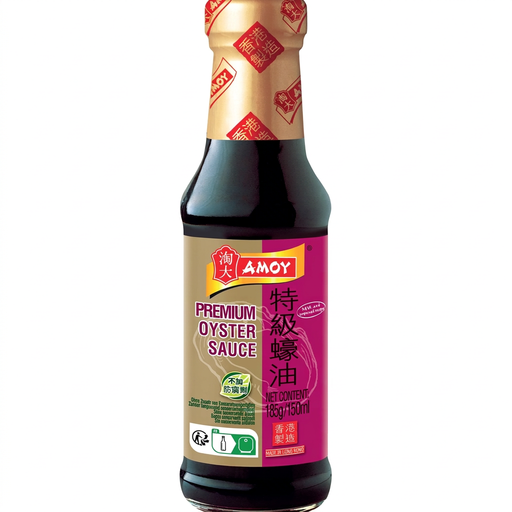
Why This Fits Their Persona: This cook looks for verifiable quality markers. They want to know why a product is "premium." This sauce is ideal as its quality is backed by a clear metric on the label.
It cuts through the vague "premium" label trap by stating its 7% oyster extractive content. This provides a tangible measure of quality, ensuring a rich, savoury flavour that justifies its premium positioning.
Made with a slow-cook process for a rich taste. Contains no added MSG or preservatives.
We have compiled a complete, real-time list of products that fully satisfy these strict selection criteria and UK safety regulations.
The primary difference is their purpose. Light soy sauce is for seasoning and adding salty, umami flavour. It is thinner and lighter in colour. Dark soy sauce is mainly for adding a rich, dark colour and a subtle sweetness to dishes, especially braises and stews. It is thicker and less salty than its light counterpart.
Most fermented sauces like soy sauce and broad bean paste are relatively stable, but it is good practice to store them in a cool, dark cupboard away from direct sunlight. For oyster sauce and any sauces containing fresh ingredients, it is highly recommended to refrigerate them after opening to maintain their flavour and freshness. Always check the storage instructions on the bottle.
No. Authentic oyster sauce is made from oyster extractives, which are derived from molluscs (a type of shellfish). If you have a shellfish allergy, you must avoid oyster sauce. A common alternative is vegetarian "oyster" sauce, which is made from mushrooms and other ingredients to mimic the umami flavour and texture. Always check the allergen information on the label carefully before you buy Chinese sauces online in the UK.