
24/7 Customer Support

Free returns

Same-day & Next-day Delivery

Quality Guaranteed

Unlock Your Welcome Offers: FREE Delivery | Up to 80% OFF | Free 30-day JoyPlus trial
Download the APP
Navigating the world of Chinese cooking sauces can feel overwhelming. The shelves are packed with bottles that look similar but promise different results, making it difficult to know which ones will genuinely elevate your home-cooked meals. Many UK shoppers find themselves disappointed, having bought a sauce that was either too sweet, too salty or simply didn't deliver that authentic flavour they were hoping for.
As the Joybuy Product Recommendation Officer, my role is to help you sidestep these common issues. Let's look at a couple of frequent pitfalls so you can stock your pantry with confidence.
To avoid disappointment, it helps to understand a few core parameters. Focusing on these will ensure you get a product that performs as expected in your kitchen.
This is the most crucial distinction to grasp. They are not interchangeable.
The quality of a sauce is often revealed on its ingredient list. Traditionally brewed sauces are made from a simple base of soybeans, wheat, salt and water. Look for these at the top of the list. Some sauces may use flavour enhancers, which is common, but the foundation should be solid. Fermented products like soy bean paste or Pixian broad bean paste derive their deep, complex flavours from this process, something that cannot be replicated with artificial flavourings alone.
Your culinary toolkit can expand beyond soy sauce. Speciality sauces serve unique purposes:
Based on these principles, here are a few recommendations matched to different cooking styles and needs.
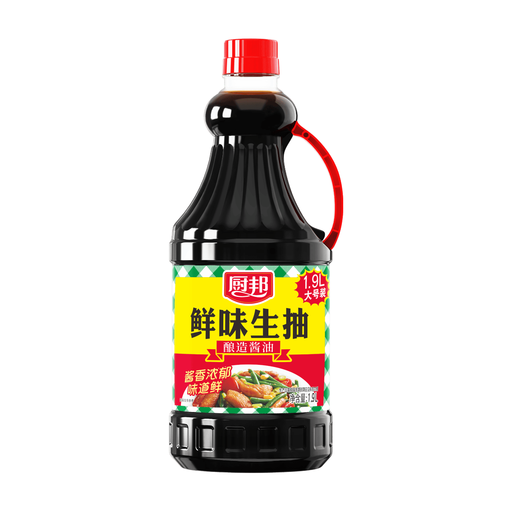
Why This Fits Their Persona: For those who cook Chinese food regularly, a small bottle of soy sauce just doesn't last. This large 1.9L format offers excellent value and ensures you always have your primary seasoning agent on hand for daily stir-fries, marinades and dipping.
This is a dedicated light soy sauce, not a generic "all-purpose" sauce. It provides the specific salty, umami flavour needed for seasoning, avoiding the pitfall of a weak or unbalanced compromise product.
Brewed from soybeans and wheat for a well-balanced savoury flavour. The large format is economical for frequent use.

Why This Fits Their Persona: For the cook aiming to replicate traditional braised dishes, stews and marinades, getting the colour right is non-negotiable. This Lee Kum Kee soy sauce is a staple in Chinese kitchens for exactly that purpose.
It sidesteps the "all-purpose" trap by being a specialised dark soy sauce. Using this for colour and a separate light soy sauce for saltiness is the key to authentic, balanced flavour in many classic dishes.
Provides a rich, appealing caramel colour and a hint of sweetness without excessive salt. It is essential for achieving the signature look of many braised recipes.
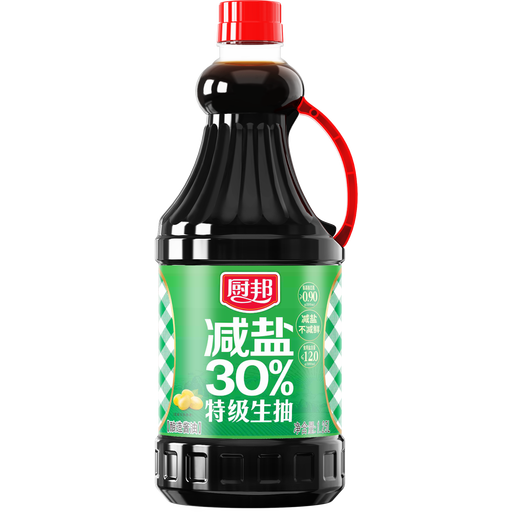
Why This Fits Their Persona: Perfect for those who love the flavour of soy sauce but are actively managing their sodium intake. This sauce allows for more control over the final seasoning of a dish without compromising on the essential umami base.
This product directly counters the idea that authentic flavour must be excessively salty. It provides a high-quality brewed flavour while addressing a specific health consideration, proving you don't have to choose between taste and well-being.
Features 30% less salt than the brand's standard light soy sauce. It is still brewed from defatted soybeans and wheat for a balanced, savoury flavour.
We have compiled a complete, real-time list of products that fully satisfy these strict selection criteria and UK safety regulations.
What is the real difference between light and dark soy sauce? The simplest way to remember it is: light soy sauce is for saltiness and flavour, while dark soy sauce is for colour and richness. Light soy sauce is the primary seasoning agent in most recipes. Dark soy sauce is used more sparingly to add a deep, reddish-brown hue to braised meats and stews and it has a slightly sweeter, less salty taste.
How long do Chinese cooking sauces last after opening? Most soy sauces, once opened, should be stored in a cool, dark place or refrigerated to maintain their quality. They can last for many months, even up to a year, though their flavour may mellow slightly over time. Sauces containing more fresh ingredients, like chilli or garlic sauces or those with lower salt content, generally have a shorter shelf life and should always be refrigerated and used within a few months. Always check the packaging for specific storage instructions.
Are there good vegan alternatives to traditional Chinese sauces? Yes, absolutely. The market for plant-based Asian cooking ingredients has grown significantly. A key example is vegan oyster flavour sauce. Traditionally made from oyster extracts, vegan versions use mushroom extracts to replicate the same thick texture and deep umami flavour, making them an excellent substitute for adding richness to vegetable stir-fries and noodle dishes.