
24/7 Customer Support

Free returns

Same-day & Next-day Delivery

Quality Guaranteed

Unlock Your Welcome Offers: FREE Delivery | Up to 80% OFF | Free 30-day JoyPlus trial
Download the APP
Navigating the world of Chinese cooking sauces can feel overwhelming. You stand in the aisle, or scroll online, faced with a wall of bottles, all promising authentic flavour. Yet, many home cooks in the UK find their homemade stir-fries or braised dishes lack that restaurant-quality taste. Often, the issue isn't your cooking skills, but a few common purchasing pitfalls that are easy to fall into.
As a Joybuy Product Recommendation Officer, my role is to help you see past the marketing and focus on what truly matters for your pantry. Let's look at the frequent missteps and how to stock your kitchen with confidence.
Haidilao hot pot base for a one-off recipe. While great for specific dishes, they often end up gathering dust if you haven't first established a foundation of versatile, everyday Chinese kitchen essentials.To buy Asian condiments online UK successfully, you need to know what to look for. Focusing on these two parameters will dramatically improve the flavour of your cooking.
This is the most critical distinction to understand. They are not interchangeable.
light soy sauce.Before exploring more niche sauces, ensure you have these three staples. They form the backbone of countless Chinese dishes.
oyster sauce doesn't taste fishy. It's a thick, savoury and slightly sweet sauce that adds a profound umami richness to stir-fries (especially with vegetables like broccoli), marinades and gravies. It's a secret weapon for adding complexity and a glossy finish.Once you have this trio, you can confidently branch out to other flavour-makers like spicy Lao Gan Ma chilli oil or a convenient stir-fry sauce.
Instead of a generic list, we've matched some reliable options to different types of home cooks.
Why This Fits Their Persona: Setting up a new kitchen or just starting with Chinese cooking can be daunting. This bundle provides the foundational trio of sauces in one convenient purchase, removing the guesswork and ensuring you have the right tool for flavour, colour and richness from day one.
This bundle directly counters the "one-sauce-fits-all" and "buying niche before basics" pitfalls by providing the essential trio needed for a huge range of recipes.
Cost-effective and convenient. It equips a new kitchen with the three most important Chinese sauces immediately.

Why This Fits Their Persona: For those with coeliac disease or gluten sensitivity, finding a safe and flavourful soy sauce is paramount. This product is specifically formulated to provide that classic umami taste without wheat, allowing for worry-free enjoyment of Chinese cuisine.
This directly addresses the "ignoring ingredients" pitfall. It's a purpose-made product that prioritises a specific dietary requirement, removing the risk of accidentally purchasing a wheat-based sauce.
A reliable gluten-free soy sauce from a major brand. It delivers the expected savoury flavour for dipping, marinades and cooking.
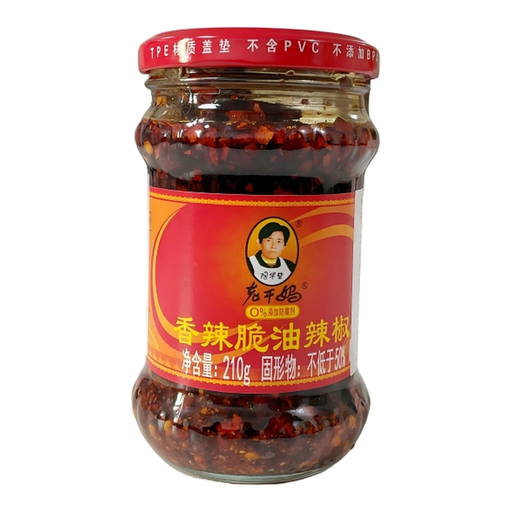
Why This Fits Their Persona: Once the basics are covered, this is the condiment to elevate simple meals. It's for the cook who wants to add an instant layer of texture, aroma and savoury spice to noodles, rice, eggs or dumplings. It's a pantry icon for a reason.
While it's not a foundational sauce, its immense versatility prevents it from becoming an unused "niche" purchase. A spoonful can transform almost any savoury dish, ensuring it gets used regularly.
Provides a unique crunchy texture from the chilli flakes and peanuts, alongside a deep, savoury flavour from the infused oil. It's a condiment, not just a sauce.
We have compiled a complete, real-time list of products that fully satisfy these strict selection criteria and UK safety regulations.
1. What is the real difference between light and dark soy sauce? The main difference is their purpose. Light soy sauce is for adding salty, savoury flavour (umami). It's thin and light-coloured. Dark soy sauce is primarily for adding a rich, dark colour to dishes like braised meats and stews. It's thicker, less salty and has a slight sweetness. They are not interchangeable.
2. How long do Chinese cooking sauces last after opening? Most soy sauces, oyster sauces and other fermented condiments are high in salt, which is a natural preservative. Once opened, they should be stored in a cool, dark place or, for best quality, in the refrigerator. Always check the label, but most will last for several months to a year if stored correctly. Sauces with fresh ingredients like garlic or chilli may have a shorter shelf life.
3. Can I find good gluten-free Chinese cooking sauces in the UK? Yes, absolutely. Many brands now offer gluten-free soy sauce options, which are typically brewed with rice instead of wheat. Tamari is a Japanese soy sauce that is traditionally made without wheat and is an excellent gluten-free alternative. Always check the label for a clear "gluten-free" certification to be safe.