
24/7 Customer Support

Free returns

Same-day & Next-day Delivery

Quality Guaranteed

Unlock Your Welcome Offers: FREE Delivery | Up to 80% OFF | Free 30-day JoyPlus trial
Download the APP
By the Joybuy Product Recommendation Officer
Choosing Chinese cooking seasonings can be less straightforward than it looks. A packet labelled “authentic”, “restaurant-style” or “traditional” may still be unsuitable for your recipe, kitchen routine or dietary requirements. The useful question is not simply whether a product sounds appealing, but whether its format, ingredients, salt level, storage instructions and intended use match the way you cook.
This guide compares the key details to check when buying Chinese seasoning, Asian sauces and condiments, Sichuan seasoning and convenient cooking mixes in the UK.
Some products are designed to be fried, diluted or simmered before serving. For example, hot pot seasoning and stir-fry sauce can contain substantial quantities of oil, salt, chilli or fermented pastes. Using the entire packet without adding the recommended water, stock or ingredients can produce an overly strong result.
By contrast, products such as noodle sauce or mushroom sauce may be ready to eat. Always check whether the label says cooking required or ready to eat before serving.
Chinese spice blends vary considerably. A braising sachet may include star anise, cinnamon, fennel, tangerine peel and Sichuan peppercorns, while a dumpling seasoning may be balanced for meat or vegetable fillings. A Sichuan chilli product may add heat and numbing pepper, whereas a fried rice seasoning is formulated for a milder, savoury coating.
Choosing a product by name alone can lead to the wrong flavour profile. Match the seasoning to the dish: hot pot seasoning, braising sauce, dumpling seasoning and fried rice seasoning each have different roles.
Soybeans, wheat and sesame occur frequently in Chinese sauces and condiments. Some dry mixes may also carry warnings about possible traces of peanuts or other allergens. Read the full ingredient list rather than relying only on the front label.
Salt values can vary widely. For example, the listed salt content is 22g per 100g for Jumbo Chicken Seasoning, 18.6g per 100g for Lobo Oriental Fried Rice Seasoning Mix and 8.1g per 100g for Haidilao Braised Pork Seasoning Sauce. These products are used in different quantities, but the figures demonstrate why portion control matters.
Choose between:
A 1kg pack such as Jumbo Chicken Seasoning may suit a busy kitchen, but a 28g five-spice shaker is more practical if you cook Chinese-style dishes occasionally. Check the suggested ratio as well. Lobo’s 25g fried rice packet is listed for approximately 500g of cooked, cooled rice, while Haidilao Braised Pork Seasoning uses one 100g sachet with around 500–600ml of water and 500g of pork.
For a savoury umami base, look for ingredients such as soy sauce, fermented beans, mushrooms, garlic, ginger and spices. For warmth and fragrance, common ingredients include star anise, cinnamon, fennel, Sichuan peppercorns and dried tangerine peel.
If you avoid allergens, inspect the declaration carefully:
The Food Information Regulations require relevant allergen information to be provided, but shoppers should still read the product label for the latest packaging details.
Dry products should generally be sealed and stored in a cool, dry place. Sauces and pastes may need refrigeration after opening. Lee Kum Kee Chu Hou Paste, for instance, specifies refrigeration after opening, while Tongdayi Oil Chicken Mushroom Sauce is stored at room temperature before opening and refrigerated afterwards.
Check the best-before date on the delivered packaging, particularly when buying multipacks or bulk Chinese spice blends. Use clean utensils, close jars firmly and follow any “consume promptly” instruction.
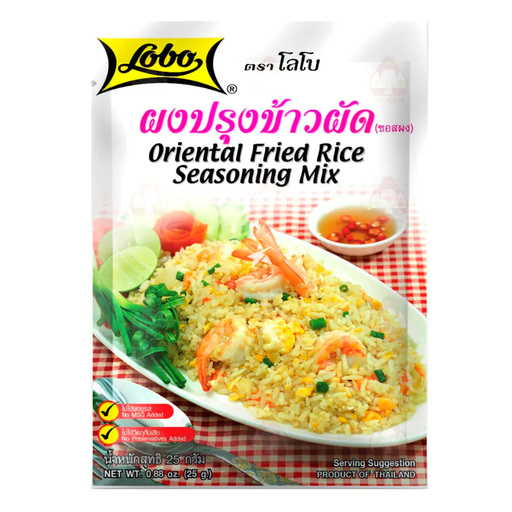
Why This Fits Their Persona: A small packet is a practical starting point for UK shoppers trying fried rice seasoning without committing to a large jar.
The packet provides a stated guide of about 500g cooked, cooled rice, helping avoid guesswork and excessive use.
Dry powder format; suitable for rice, vegetables and added protein. Contains soybeans, so check the allergen information.
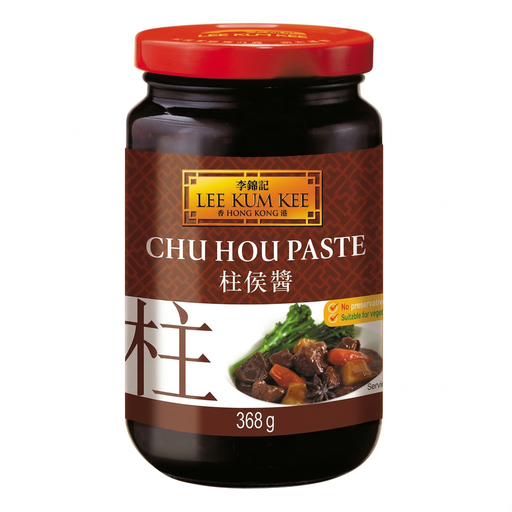
Why This Fits Their Persona: A larger Cantonese-style paste suits cooks who want one jar for beef, pork, braising and stir-frying.
Its stated uses cover braising, marinating, stir-frying and stewed dishes, rather than limiting the jar to one recipe.
Contains fermented soybean, garlic, ginger and spices; refrigerate after opening. Contains soy, wheat and sesame.
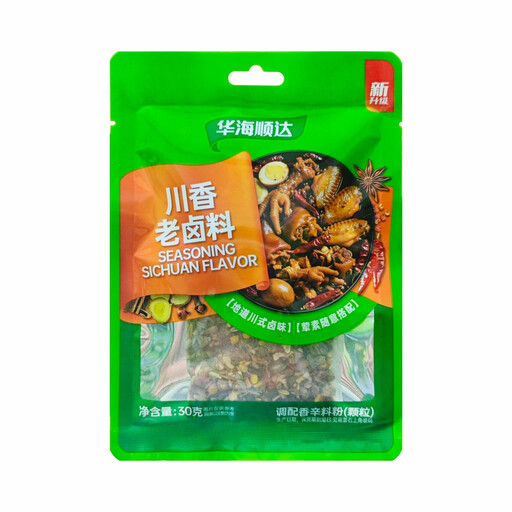
Why This Fits Their Persona: The individual 30g pack is designed for braising meat when you want a defined Sichuan-style spice profile.
The ingredients are listed as a 17-spice blend, making its intended aromatic character clearer than a generic “spicy” label.
Dry sachet format; instructions specify boiling the liquid and simmering the ingredients before steeping.
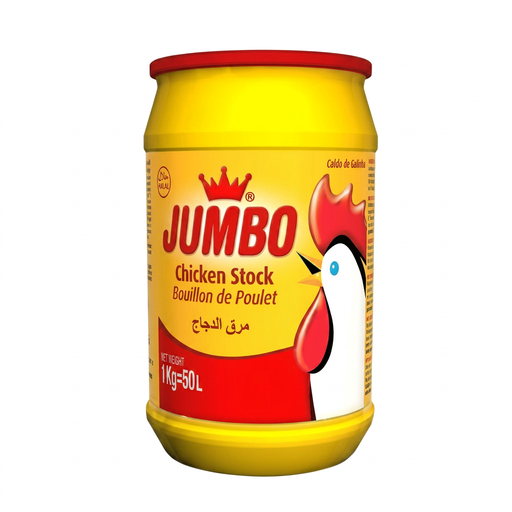
Why This Fits Their Persona: The bulk format is suited to restaurants, caterers and households preparing chicken dishes frequently.
The listing provides measured guidance: 20g per 100g chicken for marinating or 15g per 500ml broth for stews.
Suitable for grilling, roasting, frying, stewing and marinading. Contains salt, sugar, chicken powder and flavour enhancers; check the 22g per 100g salt value.
For hot pot, consider a concentrated sukiyaki sauce or Sichuan-style hot pot seasoning, checking dilution instructions and allergen details. For braised dishes, Haidilao Braised Pork Seasoning Sauce and Huaseed Sichuan Old Marinade provide different formats: a sauce sachet for red-braised dishes and a dry spice pack for aromatic simmering.
Those looking for Chinese chilli sauce can compare CUIHONG Chilli Powder with a chilli bean sauce such as Lee Kum Kee Chilli Bean Sauce. The former contains chilli, rapeseed oil, sesame and spices; the latter contains broad beans, soybeans, chilli and wheat. For dumplings, Huahai Shunda Dumpling and Baozi Seasoning is specifically intended for fillings. For noodles, ready-to-use products such as Zhou Hei Ya-Style Noodle Sauce or YUNSHANBAN mixed noodle sauce reduce preparation time.
We have compiled a complete, real-time list of products that fully satisfy these strict selection criteria and UK safety regulations.
Chinese seasoning can refer to dry spice blends, bouillon-style powders, pastes or liquid sauces. A sauce usually has a pourable or spoonable format, while a seasoning mix may need to be added during cooking. Check the use instructions rather than assuming a product is ready to eat.
Keep unopened products according to the packaging instructions, usually in a cool, dry place away from direct sunlight. Refrigerate products that specify this after opening, and use clean utensils to reduce contamination. Always follow the packaging for the product’s current shelf-life guidance.