
24/7 Customer Support

Free returns

Same-day & Next-day Delivery

Quality Guaranteed

Unlock Your Welcome Offers: FREE Delivery | Up to 80% OFF | Free 30-day JoyPlus trial
Download the APP
Chinese cooking seasonings can turn everyday ingredients into Sichuan, Cantonese and regional Chinese dishes without requiring a cupboard full of individual spices. However, the packaging does not always make it easy to compare salt levels, allergens, cooking methods or serving sizes.
For UK home cooks, the right choice depends less on bold marketing language and more on what you plan to cook, how much preparation you want to do and which ingredients you need to avoid.
Some products contain a sauce base only, while others include a marinade, starch, dried chilli, Sichuan pepper or preserved vegetables. A Chinese hot pot base may need additional stock and ingredients, whereas a ready-to-use Chinese seasoning may simply need frying with meat and vegetables.
Check the pack contents before buying. For example, a three-sachet kit may offer more control over texture and aroma, but it also involves several cooking stages.
“Mala” describes the combination of spicy chilli heat and the numbing, aromatic sensation of Sichuan pepper. The balance varies considerably. A green pepper fish seasoning may taste fresher and less aggressively hot than a red chilli-based boiled fish sauce, while a mala stir-fry mix may be concentrated and salty.
If you are new to Sichuan seasoning, start with a smaller quantity and add more after tasting. Do not assume that a larger packet is milder or better value: concentrated sauces often serve several meals.
Chinese cooking sauce frequently contains soy sauce, fermented soybean paste or salted pickles. Nutrition labels in the supplied range show salt values ranging from 4.5g to 18.5g per 100g, so portion control matters.
Always check the ingredient list for soybean, wheat or gluten, sesame, peanuts and molluscs. Some products require refrigeration after opening, while dry Chinese spice mix products can generally be stored sealed in a cool, dry cupboard. The UK label should take priority if it differs from online information.
Choose the seasoning format that suits your cooking:
A 50g paste may suit one small stir-fry, while a 300g seasoning kit may be designed for around 500g of fish or several portions of meat. Compare the stated food quantity, water requirement and number of servings rather than judging value by packet size alone.
For instance, a boiled pork kit specifies approximately 200–250g of sliced meat, while a green pepper fish seasoning is intended for around 500g of fish fillets. This makes the recipe instructions more useful than front-of-pack serving suggestions.
A good choice should clearly state whether it needs cooking, how much liquid to add and how quickly it should be consumed after opening. Sauces containing oil can separate naturally, so stirring before use may be necessary.
For UK kitchens, also consider cupboard and fridge space. Individual sachets can help with portion control, whereas a larger jar or pouch may be more economical for frequent cooking but needs careful resealing.
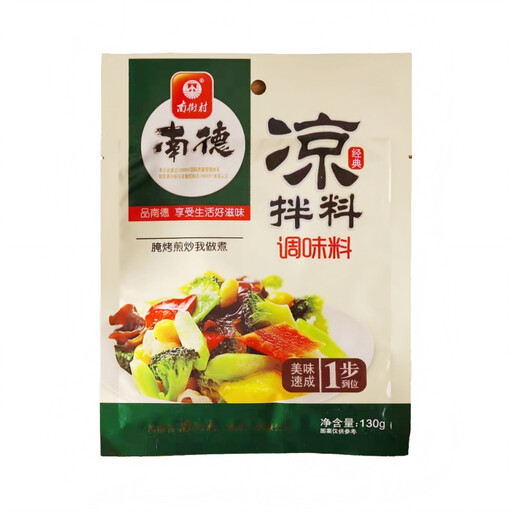
Why This Fits Their Persona: A compact option for shoppers starting to explore Chinese cooking seasonings in a small UK kitchen. It can be used with noodles, stir-fries, soups, fried rice and cold dishes.
The stated multi-use format avoids buying separate seasonings for every dish. Its 130g pack is also easier to finish than a large catering-style container.
Contains spices, bean paste and sesame; suitable for noodles, soups, fried rice and stir-frying.
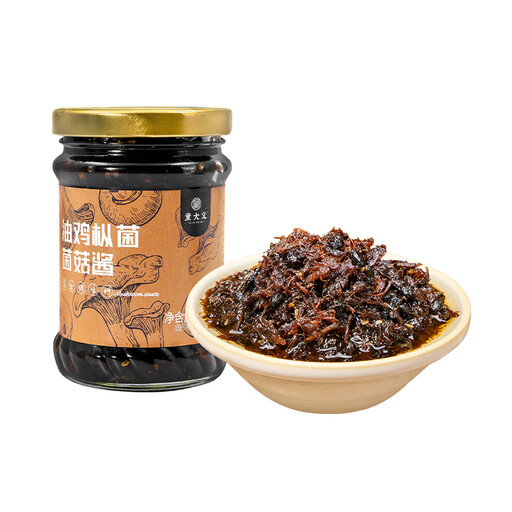
Why This Fits Their Persona: Suitable for cooks who value a ready-to-eat condiment with a defined ingredient profile and more than one serving use.
It is clearly described as ready to eat, so it is not confused with a cooking-only Chinese cooking sauce. The instructions also specify refrigeration after opening.
Contains 25% shiitake mushroom; works with rice, noodles, steamed buns, stir-fries and braised dishes.

Why This Fits Their Persona: Designed for cooks who specifically want to prepare Sichuan boiled sliced pork and are comfortable following a multi-stage recipe.
The three separate sachets identify the marinade, seasoning base and chilli-Sichuan pepper mix, rather than presenting one unclear concentrate.
Three 100g sets; includes a marinade and dried chilli-Sichuan pepper mix; contains wheat and soybean.
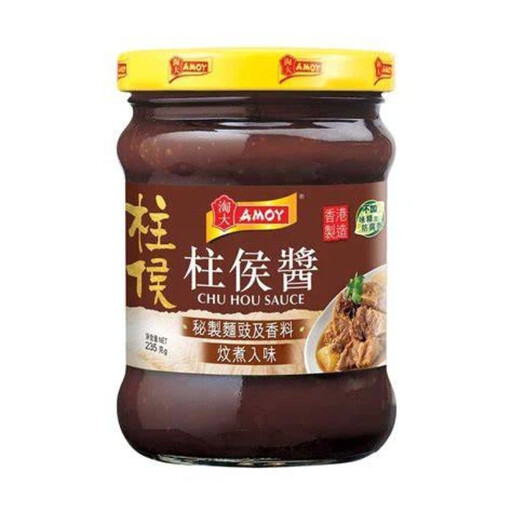
Why This Fits Their Persona: A practical choice for regular Cantonese-style braising of chicken, duck, goose, beef or pork.
Its stated use is specific: marinade or braising sauce. This helps avoid buying a stir-fry paste when your usual cooking involves long, slow simmering.
Ready to use; contains fermented soybean, sesame and spices; suitable for meat marinades and stews.
We have compiled a complete, real-time list of products that fully satisfy these strict selection criteria and UK safety regulations.
A versatile Chinese spice mix or multi-use seasoning can be a sensible starting point because it can flavour noodles, fried rice, soups and stir-fries. If you already have a specific dish in mind, choose a dedicated kit instead, such as boiled fish, braised pork or boiled sliced pork seasoning.
Follow the product label. Many oil-based sauces and seasoning pastes should be refrigerated after opening and used promptly. Dry spice mixes can usually remain in a sealed cupboard away from heat, moisture and direct sunlight. Ready-to-eat mushroom sauces should also be refrigerated after opening.
Not automatically. Soybean and wheat are common in fermented sauces, while sesame, peanuts and molluscs may appear in particular recipes. Read the full UK allergen declaration every time, especially when buying a Sichuan seasoning, hot pot base or Chinese stir-fry sauce for guests.