
24/7 Customer Support

Free returns

Same-day & Next-day Delivery

Quality Guaranteed
Download the APP
Categories
Finding the right ingredients is the first step to recreating the authentic, complex flavours of Chinese cuisine in your own kitchen. While soy sauce, ginger and garlic are well-known staples, a crucial component often overlooked is Chinese cooking wine. This versatile liquid, known as liao jiu, is essential for removing unwanted odours from meat and seafood, adding depth of flavour and tenderising ingredients.
However, navigating the options can be confusing. From classic rice wines to those pre-infused with aromatics, choosing the right one can significantly impact your dish. As a Joybuy Product Recommendation Officer, my role is to help you understand these differences and select a product that suits your cooking style. This guide will walk you through what to look for and present our top recommendations for your consideration.
Before exploring specific products, here are a few practical points to consider when selecting an Asian cooking wine.
The most common distinction is between plain and infused cooking wines.
Many recipes specifically call for Shaoxing wine, a type of amber-coloured Chinese rice wine made from fermented glutinous rice. It is prized for its rich, slightly sweet and complex flavour. While authentic Shaoxing wine is a fantastic ingredient, many high-quality cooking wines are formulated to perform the same function. If a recipe calls for it, a good quality liao jiu can often serve as an effective Shaoxing wine substitute.
Always take a moment to read the label. Traditional cooking wines are made from ingredients like water, rice and wheat. Many are salted, which helps preserve the wine and seasons the food, but the salt content can vary. If you are monitoring your sodium intake or prefer to control the seasoning yourself, look for products with lower salt levels or a cleaner ingredient list.
Here are three distinctive Chinese cooking wines, each suited to different needs and culinary preferences.
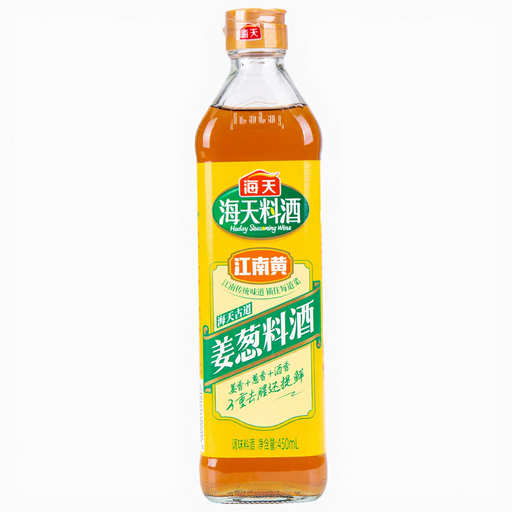
Why It Stands Out: This product from HADAY, a brand with a long history in Chinese condiments, is designed for maximum convenience. It combines the foundational cooking wine with the essential aromatics of shallot and ginger, streamlining your cooking process.
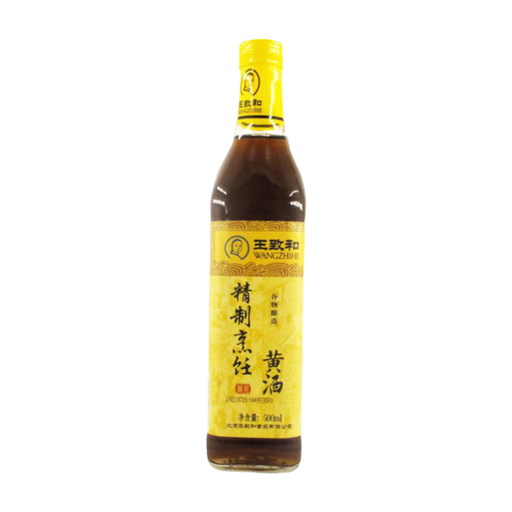
Why It Stands Out: From the time-honoured brand Wang Zhi He, this is a classic, premium cooking yellow wine. Its unflavoured profile offers a pure, traditional base, giving you complete control to build flavours with your own fresh ingredients.
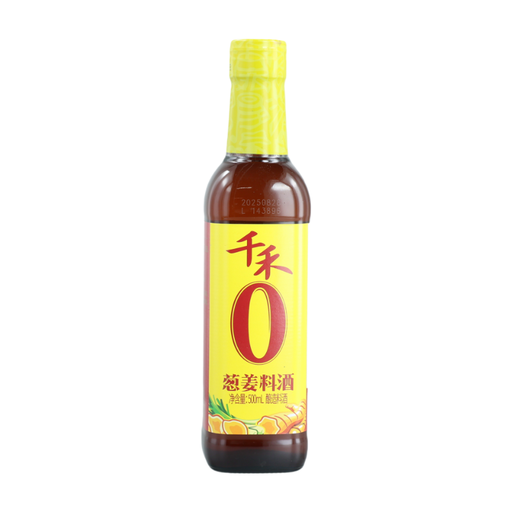
Why It Stands Out: Qian He is known for its commitment to pure ingredients, and this product reflects that philosophy. It is a ginger and spring onion cooking wine made without artificial colours, flavours or preservatives, offering a clean and natural taste.
The products highlighted here represent some of the excellent choices available, but every cook has unique needs. If you are looking for a different style or simply wish to browse more, you can explore our complete collection.
[Explore our full range of cooking alcohol here]
While both are derived from rice, they serve very different purposes. Chinese cooking wine is an alcoholic beverage used to add flavour and remove odours; it has a mild, slightly sweet taste. Rice wine vinegar is a vinegar, meaning it has been fermented further into acetic acid. It is sour and used to add acidity to dishes, dressings and pickles. They are not interchangeable.
You can, but with caution. A dry sherry is often cited as a potential substitute for Chinese cooking wine. However, Western drinking wines have very different flavour profiles and lack the specific characteristics that liao jiu brings to a dish. For an authentic taste, using a dedicated Asian cooking wine is always recommended.
Liao jiu (料酒) is the Mandarin term for cooking wine. It literally translates to "material wine," meaning wine used as a cooking material or ingredient. It is a fundamental component in Chinese kitchens, used almost as frequently as soy sauce to prepare meat, poultry and fish.