
24/7 Customer Support

Free returns

Same-day & Next-day Delivery

Quality Guaranteed

Unlock Your Welcome Offers: FREE Delivery | Up to 80% OFF | Free 30-day JoyPlus trial
Download the APP
As a Joybuy Product Recommendation Officer, my role is to help you navigate the crowded shelves—both physical and digital—to find products that genuinely deliver. When it comes to authentic Chinese ingredients, the array of bottles labelled "cooking wine" can be baffling. A simple recipe step can quickly become a point of confusion, and choosing the wrong bottle can disappoint. Let's clarify the essentials so you can select the right Chinese cooking wine with confidence.
Many home cooks in the UK run into a few common pitfalls when buying these ingredients for the first time. Understanding them is the first step to avoiding a culinary misstep.
To ensure you're adding authentic flavour to your dishes, focus on these three core parameters. They are far more important than the marketing on the front of the bottle.
The most crucial distinction is the type of wine.
Always check the ingredients. A traditional Shaoxing wine will list ingredients like water, glutinous rice and wheat. A standard liaojiu might have a simpler rice or alcohol base. Some modern formulations, like ginger and scallion cooking wine, will explicitly list these aromatics. For those seeking a cleaner profile, look for products with no added MSG, colours or preservatives. This is particularly important for anyone with dietary restrictions, as wheat is a common ingredient and a source of gluten.
Chinese cooking wines are legally required to be salted to render them unfit for drinking, which is why they can be sold in regular grocery stores. The salt content can vary, so if you are managing your sodium intake, it's worth comparing labels. The alcohol content, typically between 10-15% ABV, is also important. The alcohol helps to tenderise meat and carry fat-soluble flavours, but it almost entirely evaporates during the cooking process, leaving only the aroma and taste behind.
To make your choice easier, we've matched a few reliable options to different types of home cooks.
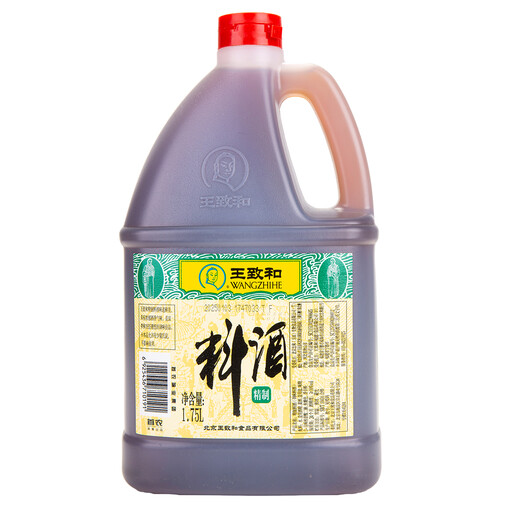
Why This Fits Their Persona: This is for the household that regularly cooks Chinese food. The large 1.75-litre bottle offers excellent value and ensures you will not run out mid-recipe. It is a reliable, all-purpose liaojiu from a historic brand.
This is explicitly a salted cooking wine (liaojiu), not a drinking wine. Its general-purpose formulation makes it a safe and versatile choice, preventing confusion with more specialised wines.
Excellent cost-effectiveness for frequent use. A versatile staple for marinades, stir-fries and braises.
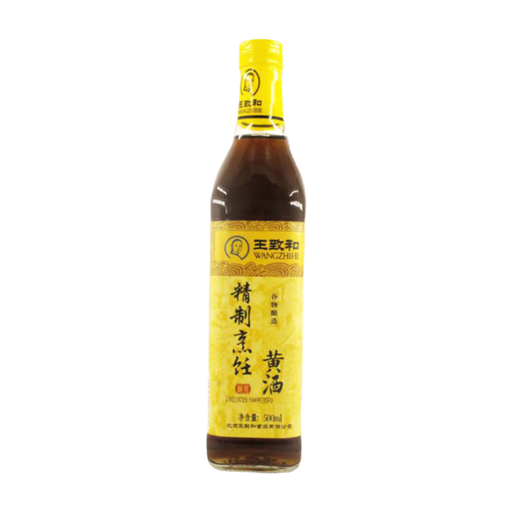
Why This Fits Their Persona: For those seeking a more authentic, Shaoxing-style flavour for classic braises and stews. This premium rice wine (or yellow wine) offers a richer, more aromatic profile than standard liaojiu.
This product helps the user understand the difference between a basic cooking wine and a higher-grade one for specific applications, moving beyond the "one-size-fits-all" pitfall.
Made from rice and wheat, it provides a deeper, more complex flavour. It has a relatively low salt content (1.7g per 100ml).

Why This Fits Their Persona: Perfect for the busy cook who wants to streamline their prep. This infused wine is ideal for quick marinades for fish, chicken or pork, where you would typically add fresh ginger and scallions anyway.