
24/7 Customer Support

Free returns

Same-day & Next-day Delivery

Quality Guaranteed

Unlock Your Welcome Offers: FREE Delivery | Up to 80% OFF | Free 30-day JoyPlus trial
Download the APP
As a Joybuy Product Recommendation Officer, my role is to help you navigate the shelves and find products that genuinely deliver. When it comes to authentic Chinese ingredients, one of the most common points of confusion for UK cooks is selecting the right Chinese cooking wine. A quick look at the options can be overwhelming, and a simple mistake can easily alter the flavour of your dish.
Many home cooks fall into a few common traps. Let's clear them up so you can shop with confidence.
To choose the right bottle, you don't need to be a culinary historian. You just need to check two or three key details on the label.
The first thing to understand is that most Chinese rice wine for cooking available in UK supermarkets is salted. This isn't just for flavour; it classifies the product as a food item rather than an alcoholic beverage, which has tax implications.
Authentic Chinese cooking wine is typically fermented from glutinous rice, water and often a wheat-based culture. This combination is what creates its unique aroma and ability to cut through gamey flavours in meat. Some may also include a subtle blend of spices to enhance their aromatic profile. Checking the ingredients can give you a clue about its quality and flavour—a higher percentage of rice wine often indicates a richer, less diluted product.
Your final choice comes down to convenience and the type of dishes you cook most often.
Based on these practical considerations, here are a few recommendations matched to different cooking styles and needs.
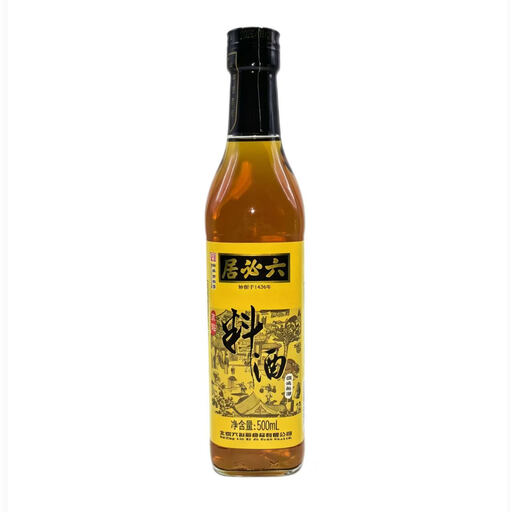
Why This Fits Their Persona: This is a classic, reliable Liaojiu from one of China's most respected condiment brands. It's the perfect no-fuss staple for a UK kitchen exploring Chinese cuisine, handling everything from marinades to braises without complication.
It is clearly labelled and formulated as a cooking wine, preventing the common mistake of buying a drinking spirit. Its purpose is unambiguous.
A versatile, all-purpose wine suitable for a wide range of dishes. Comes from a trusted, time-honoured brand known for quality.
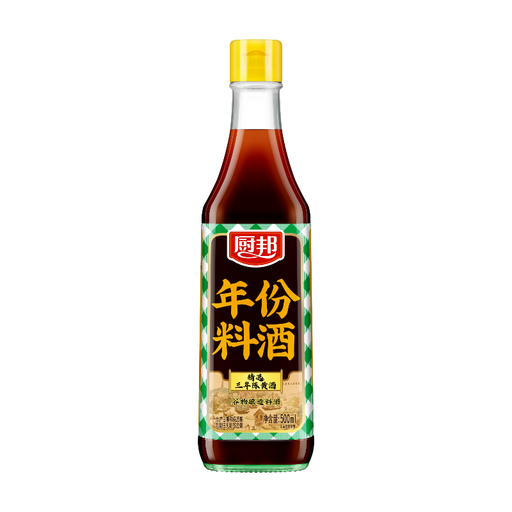
Why This Fits Their Persona: For the cook who wants more control. This wine's high 87% rice wine content and very low salt level (1.3g/100ml) allow for precise seasoning, letting the user build layers of flavour without being constrained by the saltiness of the wine.
It moves beyond the basic, high-salt options, addressing the pitfall of thinking all cooking wines are the same. It provides a higher-quality base for more nuanced cooking.
High rice wine content provides a richer flavour. The low salt content gives the cook greater control over the final dish's salinity.
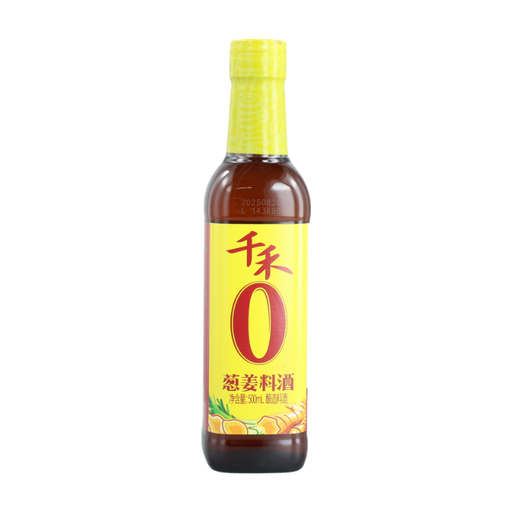
Why This Fits Their Persona: This is for the busy cook who values efficiency. It's a ginger and scallion cooking wine that streamlines the preparation of fish, seafood and poultry by combining the wine and aromatics in one bottle.
It avoids the trap of overlooking specialised options. This demonstrates how choosing a specific type of cooking wine can save time and improve results for certain dishes.
Infused with real ginger and spring onion to save prep time and effectively remove odours. Extremely low salt content (0.1g/100ml) for a clean flavour.
We have compiled a complete, real-time list of products that fully satisfy these strict selection criteria and UK safety regulations.
While they are all rice-based alcoholic beverages, they are not ideal substitutes. Shaoxing wine and Liaojiu have a distinct, savoury and sometimes earthy flavour profile developed for Chinese cuisine. Sake is often lighter and drier, while mirin is a sweet wine used for glazes in Japanese cooking. Using either will noticeably change the intended taste of an authentic Chinese recipe.
Thanks to its salt content, Chinese rice wine for cooking is very shelf-stable. When stored in a cool, dark cupboard with the cap tightly sealed, it will maintain its quality for at least six months and often up to a year. While refrigeration isn't essential, it can help preserve its aromatic qualities for longer.
The alcohol plays a key role in removing gamey odours and carrying flavour, so a perfect non-alcoholic substitute is difficult to find. In a pinch, you could use a small amount of chicken or vegetable broth mixed with a splash of rice vinegar to mimic some of the savoury and acidic notes. However, to achieve the flavour of authentic Chinese ingredients, the cooking wine itself is highly recommended.