
24/7 Customer Support

Free returns

Same-day & Next-day Delivery

Quality Guaranteed

Unlock Your Welcome Offers: FREE Delivery | Up to 80% OFF | Free 30-day JoyPlus trial
Download the APP
A splash of the right Chinese cooking wine can transform a simple stir-fry or a slow-cooked braise, adding a depth of flavour that is impossible to replicate. Yet, a quick search for an Asian grocery online UK reveals a bewildering array of bottles. From liaojiu to Shaoxing wine and even Japanese sweet rice wine, it is easy to feel lost. Many home cooks in the UK end up with a product that either over-salts their dish or imparts the wrong flavour entirely.
As the Joybuy Product Recommendation Officer, my role is to help you navigate these choices. We will look past the marketing labels to understand what truly matters, ensuring your next bottle is a perfect match for your culinary ambitions. Let's break down the common traps to avoid.
To make an informed choice, focus on these three key factors. They will tell you more about the product's suitability than the front label alone.
Understanding the base of your rice wine for cooking is the most important step.
Always check the back of the bottle. Two things to look for:
Some cooking wines come pre-infused with aromatics like ginger, scallion or other spices. These are excellent time-savers for busy cooks, combining the marinating and aromatic steps into one. However, if your recipe requires a specific balance of fresh aromatics, or if you want full control over the flavour, a plain, un-infused cooking wine is the better choice.
Based on these practical criteria, here are a few options suited to different types of home cooks in the UK.
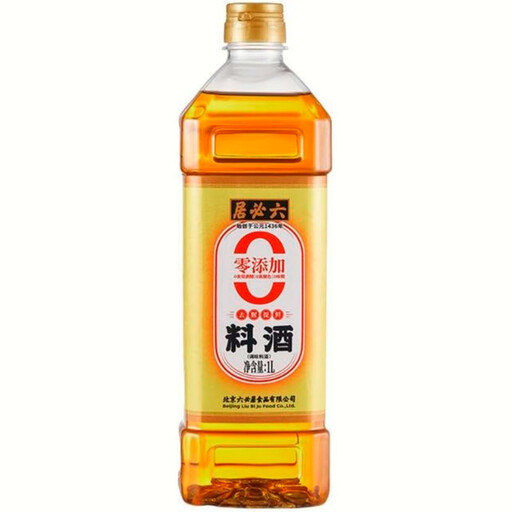
Why This Fits Their Persona: For the cook dedicated to traditional Chinese recipes who wants pure, unadulterated flavour. This wine allows the natural taste of the ingredients to shine, without interference from MSG or other enhancers.
Directly counters the "hidden additives" pitfall. The label proudly states its clean profile, ensuring you get a product based on traditionally brewed yellow wine for authentic umami.
Made from a base of yellow wine, it provides a rich, mellow aroma perfect for braises and soups. The very low salt content gives you complete control over seasoning.
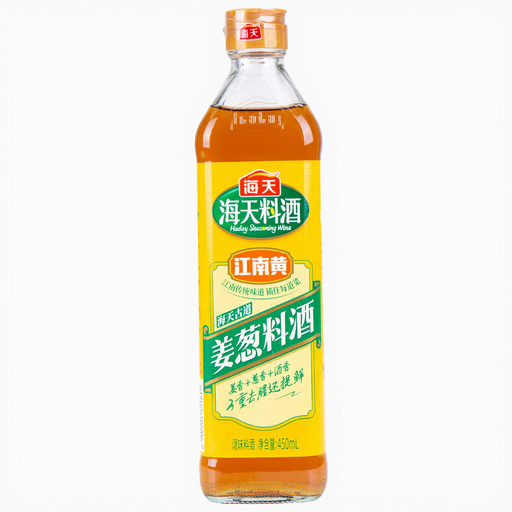
Why This Fits Their Persona: Ideal for UK home cooks needing to get a flavourful dinner on the table quickly. The pre-infused aromatics save precious time on chopping ginger and spring onions for a fast stir-fry or marinade.
This is a smart convenience product, not a compromise. It is purposefully designed to combine two steps in one, delivering consistent flavour without you needing fresh aromatics on hand.
Combines odour removal with aromatic enhancement in one bottle. A versatile essential for marinating meat, cooking seafood and adding a flavour boost to soups.
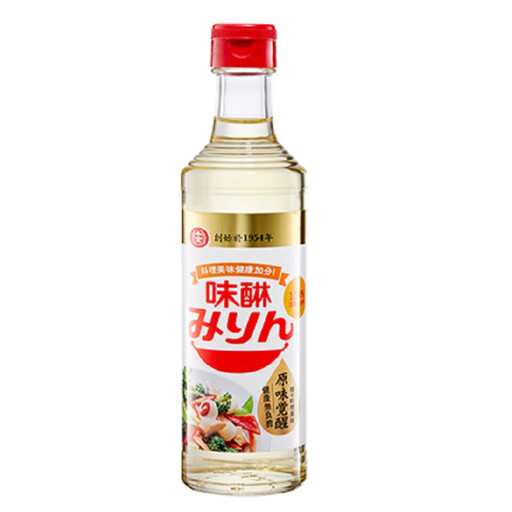
Why This Fits Their Persona: An indispensable ingredient for anyone serious about making authentic Japanese dishes like teriyaki, sukiyaki or glazed fish. Its unique properties are essential for achieving the correct balance of sweet and savoury.
This directly addresses the "one-size-fits-all" myth. It demonstrates that mirin is a specific Japanese sweet rice wine with a distinct function (adding sweetness and gloss) that cannot be replicated by a Chinese liaojiu.
Provides the characteristic subtle sweetness and glossy finish crucial for Japanese glazes and sauces. It is crafted with glutinous rice and rice koji for an authentic umami flavour.
We have compiled a complete, real-time list of products that fully satisfy these strict selection criteria and UK safety regulations.
The main difference is quality and purpose. Shaoxing wine is a high-quality, amber-coloured rice wine from the Shaoxing region, valued for its complex, aromatic flavour. It is a key ingredient in many classic braises and marinades. Liaojiu is a more general-purpose cooking wine, often with a higher salt content, primarily used to remove unwanted odours from meat and fish in everyday cooking like stir-fries.
While some Western recipes suggest dry sherry as a substitute, it is not an ideal replacement. Sherry lacks the specific umami and aromatic profile of an authentic Shaoxing wine. It might work in a pinch for deglazing a pan, but for dishes where the wine is a central flavour component, like Red-Braised Pork (Hong Shao Rou), the final taste will be noticeably different.
Thanks to their salt and alcohol content, cooking wines are very shelf-stable. When stored in a cool, dark cupboard with the lid tightly sealed, a bottle can last for many months, often up to a year. While the flavour may mellow slightly over a very long period, it does not spoil easily. Refrigeration can help preserve the peak flavour for longer but is not essential.