
24/7 Customer Support

Free returns

Same-day & Next-day Delivery

Quality Guaranteed

Unlock Your Welcome Offers: FREE Delivery | Up to 80% OFF | Free 30-day JoyPlus trial
Download the APP
A splash of authentic Chinese cooking wine can transform a simple stir-fry or marinade, adding a depth of flavour that is difficult to replicate. However, the aisle can be confusing. With labels like "Shaoxing," "yellow rice wine" and various infusions, it is easy to pick a bottle that does not quite deliver the taste you expect from your favourite recipes. Many UK home cooks find themselves disappointed by wines that are either too harsh, overly salty or simply lack that characteristic aromatic fragrance.
As a Joybuy Product Recommendation Officer, my role is to help you navigate these choices. We will look past the marketing and focus on what truly matters for your cooking. Let's break down the common pitfalls to avoid and the key factors to check, ensuring your next bottle is the right one for your kitchen.
The "Shaoxing-Style" Trap: Many products use the term "Shaoxing" on the label, but are not the genuine article. True Shaoxing wine is a type of huangjiu (yellow rice wine) made from glutinous rice, wheat and water from a specific region in China, and it is often aged. Many widely available "cooking wines" are simply salted rice wine or alcohol-based liquids designed to mimic the flavour. These can lack the complex, mellow aroma of a true aged wine, impacting dishes like red-braised pork belly where the wine is a star ingredient.
Ignoring the Ingredient Hierarchy: A quick glance at the ingredients list can be very revealing. Some cooking wines list water and edible alcohol as the primary components, with rice wine appearing much further down. This often results in a sharp, one-dimensional taste rather than the rich, fermented character that tenderises meat and removes unwanted odours. An authentic cooking wine should have rice wine or yellow rice wine as its main ingredient.
Over-relying on Infused Wines: While convenient, a ginger and scallion cooking wine is not always the most versatile or cost-effective choice. These are excellent for a quick marinade for meat, but a good quality, unflavoured Chinese rice wine gives you more control. You can add fresh aromatics as needed, tailoring the flavour profile to each specific dish, from delicate steamed fish to a robust cooking wine for stir fry.
To ensure you are getting a quality product, focus on these three factors.
The foundation of any good cooking wine is how it is made. Look for products that list yellow rice wine (黄酒) or rice wine as the first or second ingredient after water. This indicates it is a properly fermented product, not just a flavoured alcohol solution. Wines made through traditional brewing with rice and wheat will provide a much more authentic and complex flavour profile, which is essential for creating depth in braises and marinades.
All Chinese cooking wines sold for culinary purposes contain salt. This makes them unpalatable for drinking and exempts them from the higher taxes on alcoholic beverages. However, the salt content can vary significantly. A wine with very high salt (some contain over 10g per 100ml) can easily make your dish too salty if you are not careful. Also, check for additives like MSG (E621) or other flavour enhancers. If you prefer a cleaner taste or are sensitive to these ingredients, look for options with a simpler ingredient list.
The type of wine you choose should match its intended use.
Shaoxing cooking wine (often labelled with the age, e.g., 3, 5 or 10 years) offers an unmatched richness and aroma.ginger and scallion cooking wine is a great time-saver for marinades, especially when you are short on fresh ingredients. They are specifically designed to remove fishy or gamey odours from meat and seafood.Based on these practical criteria, here are a few recommendations tailored to different types of home cooks in the UK.
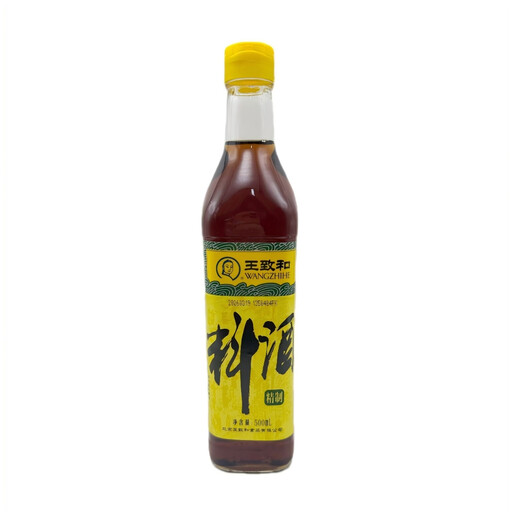
Why This Fits Their Persona: This is a reliable, no-frills workhorse for anyone starting to build their Chinese pantry. It's affordable and versatile enough for daily stir-fries, marinades and soups without a significant financial commitment.
It is clearly positioned as a general cooking wine, not a premium aged Shaoxing. Its ingredient list features yellow rice wine prominently, avoiding the trap of being just a flavoured alcohol solution.
Great all-around performance for its price. The Wang Zhi He brand has a long history, offering consistency and a familiar flavour profile for classic Chinese dishes.
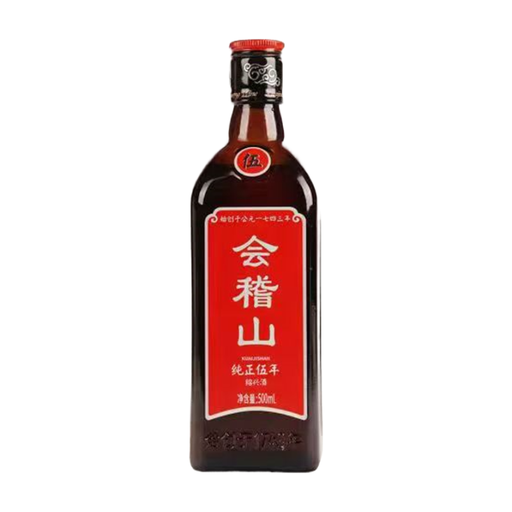
Why This Fits Their Persona: For the cook dedicated to authenticity. This is a genuine aged Shaoxing wine, perfect for recreating traditional recipes where the wine's complex, mellow character is crucial to the final result.
This product sidesteps the "Shaoxing-style" trap entirely. It is an authentic, 5-year aged wine made with water from Jianhu Lake, meeting the criteria for a true Shaoxing wine.
Its superior grade classification (GB/T17946) and 5-year aging process provide a rich, concentrated aroma and smooth palate that elevates dishes significantly. It contains no salt and is of drinking quality.
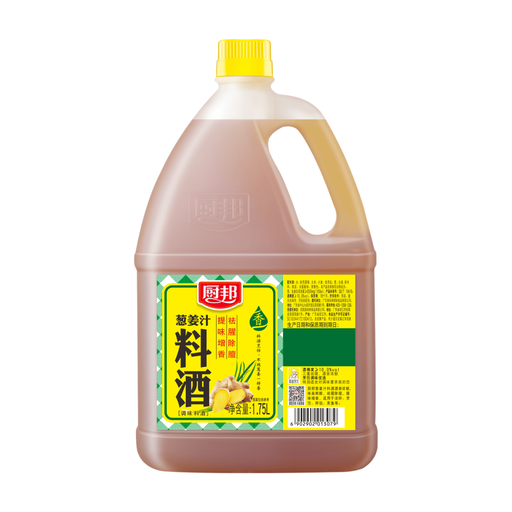
Why This Fits Their Persona: For the busy home cook who prepares Chinese meals several times a week. The large 1.75L bottle offers great value and the pre-infused aromatics save precious time on prep work for marinades and stir-fries.
This product is transparent about its purpose. It is a convenience-focused infused wine, not pretending to be a premium aged product. It clearly states its rice wine content (15%) and the aromatics included.
Maximum convenience and excellent value for frequent use. It effectively removes odours from meat and fish while adding a consistent base layer of flavour, streamlining the cooking process.
We have compiled a complete, real-time list of products that fully satisfy these strict selection criteria and UK safety regulations.
While dry sherry is a commonly suggested substitute in Western recipes, it has a distinct, grape-based flavour that is quite different from the fermented rice flavour of Chinese wine. Japanese sake is closer, but it is generally more delicate and lacks the specific aromatic profile and saltiness of a dedicated cooking wine. For the most authentic taste, especially in marinades and braises, using a proper Chinese rice wine is recommended.
Yes, the majority of the alcohol evaporates during the cooking process, especially in high-heat methods like stir-frying or during long simmering in braises. Its primary role is to act as a solvent, helping to dissolve and carry flavour compounds and to tenderise proteins. The final dish will contain only trace amounts of alcohol, but the flavour enhancement will remain.
After opening, it is advisable to store your cooking wine in a cool, dry place away from direct sunlight, such as a pantry or cupboard. Ensure the cap is sealed tightly to prevent oxidisation, which can alter the flavour over time. While refrigeration is not strictly necessary for salted cooking wines, it can help preserve their freshness for longer, especially if you use it infrequently.