
24/7 Customer Support

Free returns

Same-day & Next-day Delivery

Quality Guaranteed

Unlock Your Welcome Offers: FREE Delivery | Up to 80% OFF | Free 30-day JoyPlus trial
Download the APP
If you've ever tried to recreate a favourite Chinese dish at home, you know that the secret often lies in the sauce. A key ingredient is Chinese cooking wine, but stepping into an Asian supermarket or browsing online can be overwhelming. With bottles labelled liaojiu, huangjiu and Shaoxing wine, it's easy to grab the wrong one. This can lead to dishes that taste too salty, flat or simply not right.
As the Joybuy Product Recommendation Officer, my role is to help you navigate the options and find the right ingredients for your kitchen. Many home cooks in the UK fall into a few common traps: paying for a "premium" cooking wine that's no different from a basic one, or confusing salted cooking wines with finer, unsalted versions meant for more delicate dishes. Let's clarify the essentials so you can shop with confidence.
Before adding a bottle to your basket, understanding a few core parameters will ensure you get the authentic flavour your recipe calls for. These aren't just buzzwords; they define the taste and function of the wine in your cooking.
The most crucial distinction is between wine made specifically for cooking and wine that can also be enjoyed as a beverage.
Liaojiu (料酒): This is the workhorse of the Chinese kitchen. It is a type of huangjiu (yellow wine) that has had salt added. This is done primarily for preservation and to classify it as a food product, making it more affordable. Its main jobs are to remove fishy or gamy odours from meat and seafood and to add a foundational layer of savoury, aromatic flavour to stir-fries and braises. If a recipe simply calls for "Chinese cooking wine," a bottle of liaojiu is almost always what is meant.
Huangjiu (黄酒) / Shaoxing Wine: This is the unsalted, beverage-grade rice wine. Shaoxing wine is the most famous type of huangjiu, named after its origin city. Because it contains no salt, its flavour is more complex and nuanced. It's used in dishes where the wine's character is a feature, such as Drunken Chicken or Dongpo Pork. While you can cook with any huangjiu, using a quality aged Shaoxing wine will impart a much deeper, richer flavour.
Another point of confusion is the difference between rice vinegar and rice wine. They are fundamentally different Asian cooking ingredients and are not interchangeable.
Always check the ingredients list. Some cooking wines are straightforward brews of rice, water, wheat and salt. Others include additional spices and flavourings.
To help you choose, we've matched a few standout options to different cooking styles and needs.
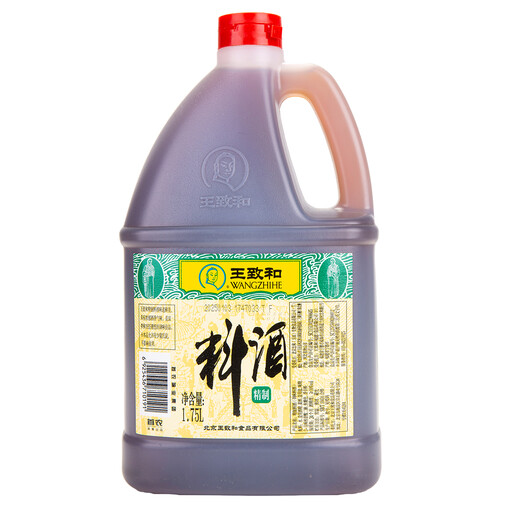
Why This Fits Their Persona: For the person who makes stir-fries, marinades and braises regularly, this large, economical bottle is a practical pantry staple. It provides the essential flavour base for countless Chinese dishes without breaking the bank.
This is a classic salted liaojiu. You avoid overpaying for a "gourmet" cooking wine that offers no additional benefit for everyday dishes. Its purpose is clear, preventing confusion with unsalted drinking wines.
Excellent value in a 1.75L format. Formulated to effectively deodorise meat and seafood while enhancing tenderness.
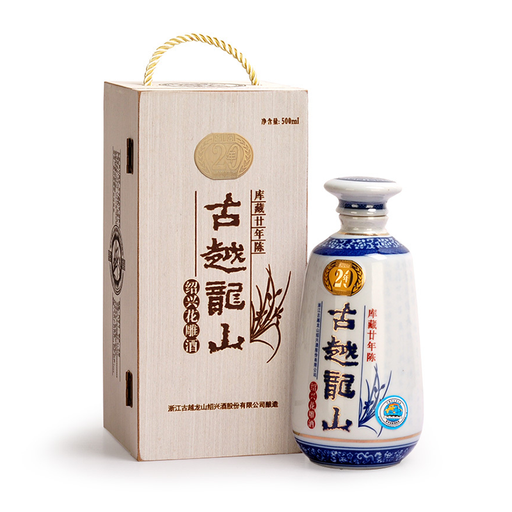
Why This Fits Their Persona: This cook is passionate about authenticity and creating dishes with deep, complex flavours. An aged Shaoxing wine is perfect for classic recipes where the wine is a star ingredient, and it doubles as a fine sipping wine.
This is a genuine, high-quality unsalted huangjiu. Its 20-year aging provides a verifiable complexity that justifies its status, ensuring you're not just paying for a fancy label on a standard product.
Exceptional depth of flavour with notes of dried fruit, caramel and nuts. Versatile enough for both high-end cooking and sipping.
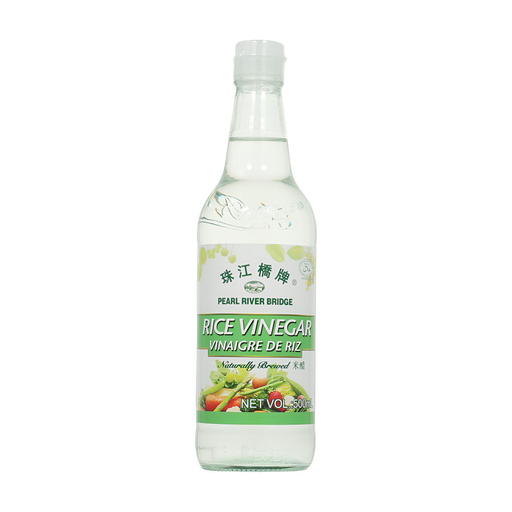
Why This Fits Their Persona: This cook understands that a well-stocked pantry needs more than just cooking wine. They require a reliable, multi-purpose rice vinegar for everything from pickling and dipping sauces to adding a bright, acidic lift to rich dishes.
This product's clear identity as a rice vinegar prevents the common mistake of using it as a substitute for cooking wine. Its simple ingredient list (water, rice, salt) ensures you get a pure, clean flavour without hidden additives.
Offers a crisp, mild acidity that complements other flavours without overpowering them. A highly versatile staple for many Asian cuisines.
We have compiled a complete, real-time list of products that fully satisfy these strict selection criteria and UK safety regulations.
While all are rice-based Asian condiments, they have distinct profiles. Chinese cooking wine (liaojiu) is savoury and salty. Japanese mirin is a sweet rice wine used for glazes and sweetness. Japanese cooking sake is drier and closer to a neutral huangjiu, used to add umami and tenderise. They should be used as specified in their respective cuisines.
In a pinch, a dry pale sherry is often suggested as a substitute for Shaoxing wine because it shares some nutty, oxidised flavour notes. However, for a truly authentic taste, especially in dishes where the wine's flavour is prominent, there is no perfect replacement for genuine Shaoxing wine.
Salted cooking wine (liaojiu) is quite stable due to its salt content and can be stored in a cool, dark cupboard for many months. Unsalted huangjiu or Shaoxing wine should be sealed tightly and kept in the refrigerator after opening to preserve its flavour. It is best consumed within a few months.