
24/7 Customer Support

Free returns

Same-day & Next-day Delivery

Quality Guaranteed

Unlock Your Welcome Offers: FREE Delivery | Up to 80% OFF | Free 30-day JoyPlus trial
Download the APP
As a Joybuy Product Recommendation Officer, I often see UK home cooks invest in quality ingredients to recreate authentic Chinese dishes, only to be let down by one crucial component: the cooking wine. A splash of the right wine can elevate a simple stir-fry or a slow-cooked braise, adding a depth of flavour that salt and soy sauce alone cannot achieve.
However, the aisle for Asian cooking wines can be a confusing place. Misleading labels and a lack of clear information can lead you to buy a product that's completely wrong for your recipe. Before you spend your money, let's look at the common pitfalls that can compromise your cooking.
To ensure you're bringing home the right bottle for your culinary ambitions, focus on these three key parameters.
Understanding the fundamental types of Chinese cooking wine is the first step. They are not interchangeable.
Always turn the bottle around and read the ingredients. You'll generally find two types of formulations:
The alcohol in cooking wine helps to tenderise meat and carry aromatic compounds. Most Chinese cooking wines have an alcohol content between 10% and 20%. The alcohol itself largely evaporates during cooking. More importantly, check the salt content. Some cooking wines can contain over 9g of salt per 100ml. If you use a high-sodium cooking wine, you must reduce the amount of soy sauce or salt you add elsewhere in the recipe to avoid an overly salty result.
To help you choose, we've matched some reliable options to different cooking needs and preferences.
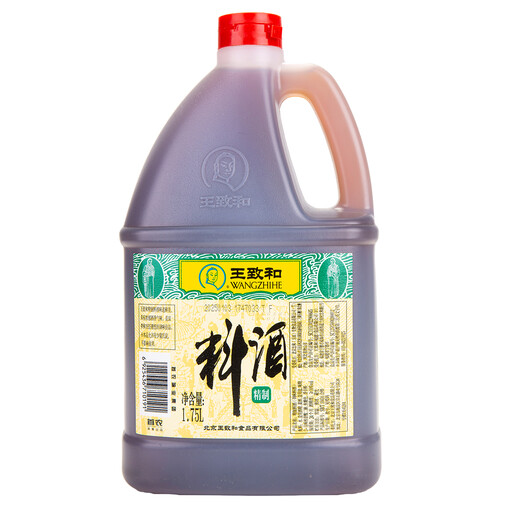
Why This Fits Their Persona: For the UK household that regularly cooks Chinese food, this large 1.75L bottle offers great value. It's a versatile, all-purpose Liaojiu, perfect for daily stir-fries, marinades and removing odours from meat and fish without needing a premium, aged wine.
This is a classic Liaojiu, not pretending to be a fine Huadiao. It's formulated with spices specifically for the purpose of deodorising and adding a basic savoury note, fulfilling its role perfectly without confusion.
Excellent value for high-frequency use. Its spiced formulation is highly effective at freshening meat and seafood for everyday cooking.
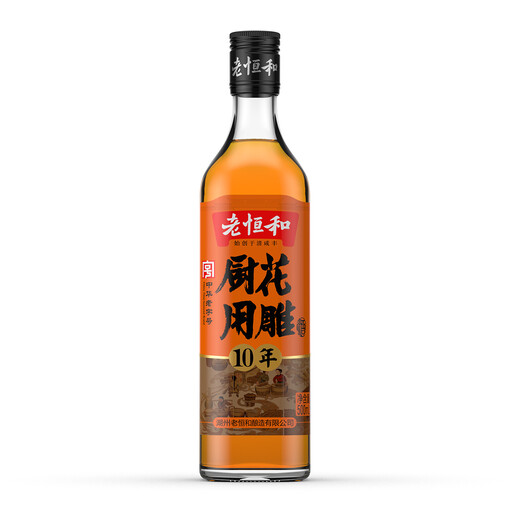
Why This Fits Their Persona: For the cook dedicated to recreating traditional, slow-braised Zhejiang or Shanghainese dishes, an aged Huadiao is non-negotiable. This 10-year aged wine provides the deep, mellow and complex aroma needed for an authentic result.
This is a genuine, premium-grade Huadiao wine. It avoids the "all wines are the same" trap by offering a specific, high-quality product for recipes where the wine's character is a star ingredient, not just a background note.
Aged for 10 years for a superior, complex flavour. The ingredient list is simple and traditional: water, rice, wheat and caramel colour.
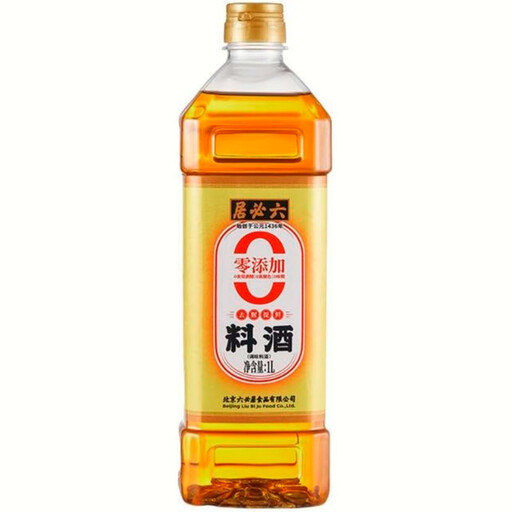
Why This Fits Their Persona: For the cook who scrutinises every label and prefers to control all seasonings from scratch, this "zero-additive" option from a historic brand is ideal. It contains no added MSG, preservatives or colourings, offering a pure flavour base.
This product directly counters the pitfall of ignoring the ingredient list. Its main selling point is its clean, traditional formulation, giving the user complete control over the final taste of their dish without hidden salts or enhancers.
Traditionally brewed with no added MSG or preservatives. Allows for precise seasoning control and delivers an authentic, clean yellow wine aroma.
We have compiled a complete, real-time list of products that fully satisfy these strict selection criteria and UK safety regulations.
Dry sherry is a widely suggested substitute in Western recipes, and it can work in a pinch for deglazing a pan. However, it lacks the specific umami, fragrance and slightly sweet notes of a true Shaoxing wine. For marinades and braises where the wine is a key flavour component, using sherry will result in a noticeably different, and less authentic, taste profile.
Think of it as a matter of grade and age. All Huadiao wine is a type of Shaoxing wine, but not all Shaoxing wine is Huadiao. Huadiao is a premium variety, often made with a higher proportion of glutinous rice and aged for longer (three years or more). This ageing process gives it a richer, more mellow aroma and a deeper flavour, making it the preferred choice for more refined dishes.
Yes, in most cooking applications, the majority of the alcohol evaporates. The wine's purpose is not to make a dish alcoholic, but to act as a solvent for flavour compounds in other ingredients, to tenderise proteins and to leave behind its own complex aromatic essence. In high-heat cooking like stir-frying or long, slow braises, very little alcohol remains in the finished dish.