
24/7 Customer Support

Free returns

Same-day & Next-day Delivery

Quality Guaranteed

Unlock Your Welcome Offers: FREE Delivery | Up to 80% OFF | Free 30-day JoyPlus trial
Download the APP
A splash of authentic Chinese cooking wine can transform a simple stir-fry or marinade, adding a depth of flavour that is difficult to replicate. However, navigating the options available in the UK can be confusing. From bottles labelled liaojiu to premium spirits like Moutai, it is easy to make a costly or flavour-compromising mistake. As the Joybuy Product Recommendation Officer, my role is to help you understand the key differences so you can select the right bottle for your kitchen.
Many home cooks fall into a few common traps. Understanding them is the first step to making a better choice.
To avoid these pitfalls, focus on a few key product details. This will ensure you get a product that performs as expected in your recipes.
The most important distinction is between general cooking wine (liaojiu) and regional drinking wines like Shaoxing wine.
Always check the ingredients. A basic cooking wine will typically contain water, rice, wheat, salt and perhaps some spices or caramel for colour. However, you will also find specialised versions:
It is also helpful to recognise what is not a cooking wine. If you see terms like baijiu, you are looking at a strong, clear spirit distilled from grains like sorghum. Prestigious brands like Moutai and Wuliangye are considered national treasures in China and are meant for sipping on special occasions. Similarly, a Chinese plum liqueur is a sweet, fruit-infused drink enjoyed as an aperitif or in cocktails. These are for drinking, not for your wok.
To help you choose, we have matched a few distinct products to common user needs.
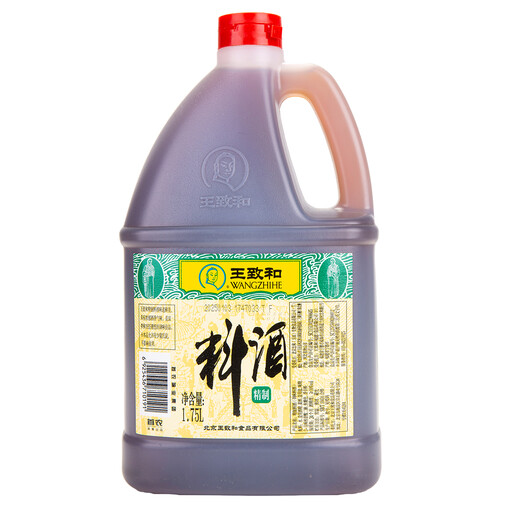
Why This Fits Their Persona: For the household that regularly cooks Chinese cuisine, this large 1.75L bottle offers great value. It's a standard, reliable liaojiu from a historic brand, perfect for everything from red-braised pork to simple stir-fries.
This is clearly a salted cooking wine (liaojiu), not a drinking wine. Its economical large format prevents overspending on smaller, more expensive bottles for everyday use.
Excellent cost-per-millilitre. A versatile, all-purpose kitchen staple for marinating, stir-frying and braising.
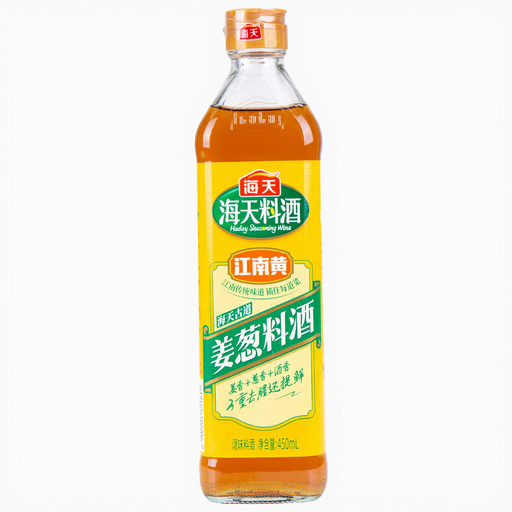
Why This Fits Their Persona: Ideal for those who value convenience. If you frequently make steamed fish or marinate chicken, this product saves you the step of chopping ginger and spring onions, as their flavours are already infused.
This product directly counters the pitfall of overlooking specialised options. It provides a targeted solution that streamlines the cooking process for specific dishes.
Combines three essential ingredients in one bottle. Effectively removes fishy and gamey odours while adding aromatic complexity.
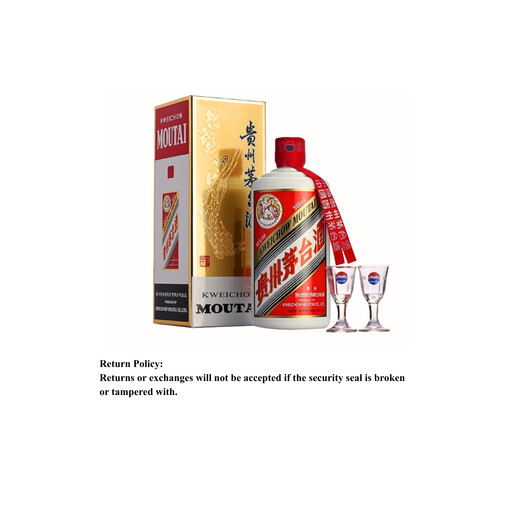
Why This Fits Their Persona: This is for the individual seeking a world-renowned Chinese spirit for drinking, gifting or collecting. Moutai is a celebrated baijiu, known for its unique "sauce-aroma" and is a symbol of prestige.
This selection clarifies the critical difference between a cooking ingredient and a premium spirit, preventing the costly error of using baijiu in a stir-fry.
This is a high-proof (53% ABV) spirit for drinking, not cooking. It has a complex flavour profile with notes of fruit, flowers and baking and is a significant cultural item.
We have compiled a complete, real-time list of products that fully satisfy these strict selection criteria and UK safety regulations.
Shaoxing wine is a specific type of amber-coloured Chinese rice wine from the Shaoxing region, prized for its complex flavour and often used for both drinking and cooking. Liaojiu is a general term for any wine made exclusively for cooking. It is almost always salted to make it undrinkable and often contains other spices to help tenderise meat and mask odours.
In a pinch, dry sherry can be a substitute, as it shares some nutty, oxidised notes with Shaoxing wine. However, it lacks the specific flavour profile of a true liaojiu or Shaoxing wine and contains no salt. If you use it, you may need to adjust the salt in your recipe accordingly. It will not be a perfect one-to-one replacement for achieving an authentic taste.
No, absolutely not. Baijiu is a high-proof distilled spirit, similar to vodka or whisky, with a very strong and distinct flavour. Using it in place of a 10-15% ABV fermented cooking wine would ruin the flavour balance of your dish. Baijiu is for drinking, while liaojiu is for cooking.