
24/7 Customer Support

Free returns

Same-day & Next-day Delivery

Quality Guaranteed

Unlock Your Welcome Offers: FREE Delivery | Up to 80% OFF | Free 30-day JoyPlus trial
Download the APP
A splash of the right cooking wine can transform a simple stir-fry or marinade, adding a depth of flavour that is the hallmark of authentic East Asian cuisine. Yet, when you try to buy Asian cooking wine UK online or in-store, the sheer variety can be confusing. Many home cooks find their dishes don't taste quite right, often due to a few common purchasing mistakes that are easy to make but also simple to avoid.
As the Joybuy Product Recommendation Officer, my role is to help you navigate the options and select the right bottle for your kitchen. We will look past the marketing claims to focus on what truly matters for your cooking, ensuring you get authentic results without wasting money on the wrong product. Let's break down the most frequent pitfalls.
Liaojiu, is specifically formulated for culinary use. It is salted, which not only adds flavour but also classifies it as a food product. Using a drinking wine can introduce unwanted sweetness or an overpowering alcoholic taste, while also being significantly more expensive.mirin (a sweet rice wine) in a recipe that calls for a savoury Chinese Shaoxing wine will dramatically alter the flavour profile. Understanding the difference is key to achieving the intended taste of your dish.rice wine for cooking and miss out on specialised varieties. A ginger and spring onion cooking wine, for example, can be a fantastic time-saver, infusing your marinade or cooking wine for stir fry with these essential aromatics without any extra chopping.To make an informed choice, focus on a few core parameters. These details will tell you more about the product's intended use and flavour profile than any flashy label.
The foundation of any cooking wine is its base. The most common types you will encounter are:
The alcohol content, usually between 10-15%, is functional. It helps to tenderise meat and remove any "gamey" or "fishy" odours from proteins. During the cooking process, the alcohol evaporates, leaving behind only the concentrated flavour. The salt content is also important; it seasons the food and makes the product unsuitable for drinking, which is why it can be sold as a grocery item.
For extra convenience, consider wines infused with other ingredients. A ginger and spring onion cooking wine combines the deodorising power of the wine with the fresh, sharp notes of these two fundamental aromatics. This is an excellent choice for quick marinades for fish, chicken or pork, saving you a preparation step.
To help you choose, we have matched a few standout options to different cooking styles and needs.
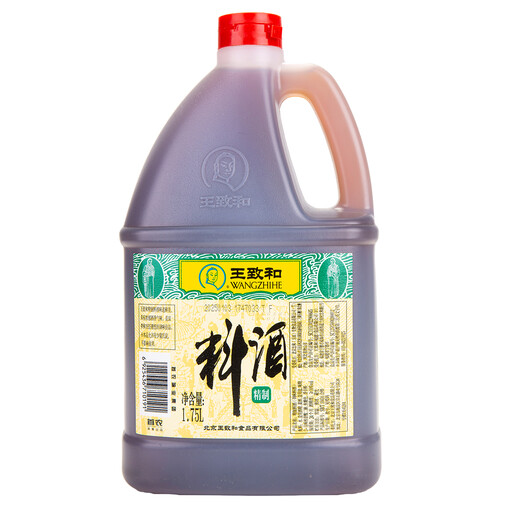
Why This Fits Their Persona: For the cook who regularly prepares Chinese meals, this large 1.75L bottle offers great value for money. It's a classic, reliable Liaojiu from a historic brand, making it a perfect all-rounder for everything from daily stir-fries to weekend braises.
This is clearly labelled as a cooking wine, not a drinking wine. Its versatile flavour profile means you avoid buying a niche product that is only suitable for one or two recipes.
Excellent value for frequent use. Formulated to deodorise meat and enhance tenderness across a wide range of dishes.
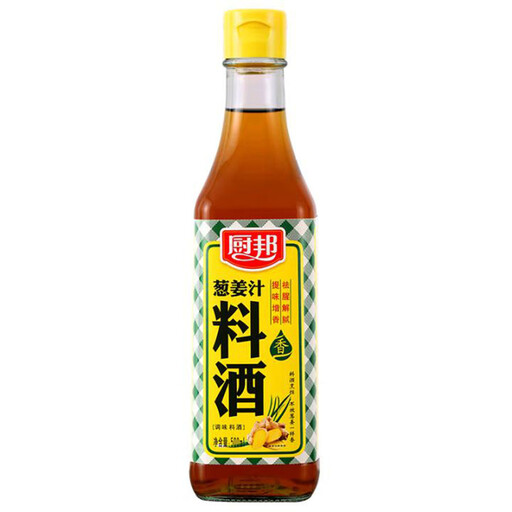
Why This Fits Their Persona: Perfect for busy weeknight meals, this wine is pre-infused with ginger and spring onion. It streamlines the cooking process, allowing you to add a complex aromatic base to marinades and stir-fries in one simple step.
This product directly addresses the pitfall of overlooking infused options. It is a purpose-built solution that combines two common ingredients, saving time and effort without compromising on flavour.
Contains 0.5% ginger and 0.5% spring onion for a consistent, layered aroma. Excellent for quickly removing fishy or gamey odours.
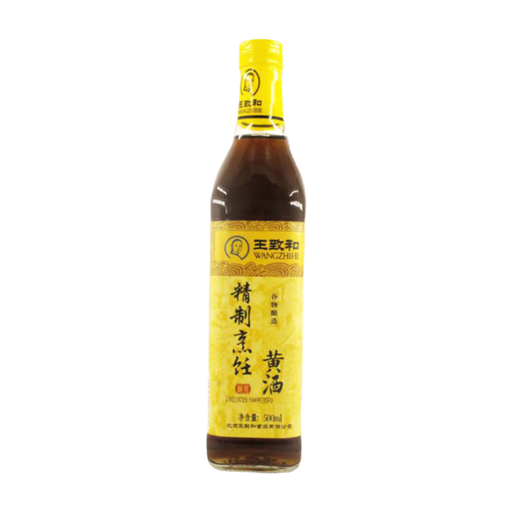
Why This Fits Their Persona: For those recreating traditional recipes, flavour is paramount. This premium "yellow wine" (a style similar to Shaoxing wine) is brewed from rice and wheat, offering a more complex, savoury profile that is essential for authentic braised dishes and rich sauces.
This product provides the specific amber, savoury notes that a generic cooking wine lacks, ensuring your dish doesn't fall flat. It's a clear step up from an all-purpose Liaojiu for recipes that demand it.
Delivers a rich, traditional flavour profile ideal for braising, steaming and creating complex sauces. Made with a simple, classic ingredient list of water, rice, wheat and salt.
We have compiled a complete, real-time list of products that fully satisfy these strict selection criteria and UK safety regulations.
While you can in a pinch, it is not recommended for authentic flavour. Chinese cooking wine (Liaojiu) is salted and specifically formulated to remove odours from meat and enhance savoury flavours. Drinking rice wines are often sweeter, have a different flavour profile and lack the salt needed for seasoning, which can unbalance your dish.
They serve very different purposes. Shaoxing wine is a savoury, amber-coloured Chinese rice wine used to add depth and complexity to marinades, braises and stir-fries. Mirin is a sweet Japanese rice wine with a lower alcohol content, primarily used to add sweetness and a glossy sheen to glazes and sauces, such as teriyaki. Using one in place of the other will significantly change the outcome of your recipe.
Yes, the vast majority of the alcohol evaporates during the cooking process. The purpose of the alcohol is to act as a solvent, helping to tenderise meat and carry flavour compounds. When heated, it quickly dissipates, leaving behind the subtle, complex flavours of the wine itself. The final dish will contain a negligible amount of alcohol.