
24/7 Customer Support

Free returns

Same-day & Next-day Delivery

Quality Guaranteed

Unlock Your Welcome Offers: FREE Delivery | Up to 80% OFF | Free 30-day JoyPlus trial
Download the APP
Chinese dried tofu snacks can be a convenient choice for UK lunchboxes, desk drawers, picnics and savoury food collections. They are available as spicy dried tofu, braised dried tofu, Taiwanese dried tofu and Sichuan-style varieties, with textures ranging from tender and seasoned to dense and chewy.
However, product pages do not always make the key differences obvious. A small snack pouch may be ready to eat, while a similar-looking pack may need soaking and cooking. Flavour descriptions can also hide high salt levels, allergens or sweeteners. This guide explains what to check before buying Chinese tofu snacks and matches different formats to practical shopping needs.
The phrase “dried tofu” covers several product types. Vacuum-packed tofu pieces and strips are generally seasoned and ready to eat after opening. Dried tofu skin or tofu sticks may be sold plain and require soaking, blanching or cooking.
Always check the instructions for use. A product marked “ready to eat” suits commuting, office snacks and lunchboxes. A product marked “cooking required” is intended for hot pot, stir-fries, stews or cold dishes after preparation.
“Spicy”, “mala”, “barbecue” and “braised” can describe very different seasoning profiles. Mala-style snacks may combine chilli with Sichuan pepper and a numbing sensation, while braised tofu may be sweeter and soy-sauce-led. Barbecue seasoning can contain sugar, maltose and wheat-based ingredients.
For a milder introduction, consider barbecue or savoury braised flavours. If you specifically want Sichuan dried tofu, look for chilli and Sichuan pepper in the ingredient list rather than relying only on the front label.
Flavourful tofu snacks often contain soy sauce, salt, oil and flavour enhancers. Compare the salt per 100g, not just the amount in one pouch. Also check the allergen declaration for soya beans, wheat, gluten and sesame.
UK shoppers should read the packaging supplied with the product, particularly when buying for children or anyone with allergies. Some products also contain preservatives, sweeteners or permitted colours. These are not automatically a reason to avoid a snack, but they are relevant when comparing options.
For immediate snacking, choose individually sealed or vacuum-packed portions labelled ready to eat. These formats can be convenient for work bags and school lunchboxes, but opened packs should generally be consumed promptly and stored according to the label.
Plain tofu products for hot pot and stir-fries may need refrigeration or freezing. For example, Northern-style dried tofu can be stored frozen and requires thawing and thorough cooking. It is not interchangeable with a ready-to-eat tofu snack.
Texture depends on the processing method, moisture level and cut. Thick slices and pressed tofu tend to provide a firmer, chewier tofu snack. Tofu skin and sticks become pliable after soaking and can hold their shape in stews or hot pot.
Soybean percentage can help indicate the product’s composition, but it should be read alongside the full ingredients list. A seasoned snack may include oil, sugar, soy sauce and spices, while a plain dried tofu ingredient may contain little more than soybeans and a coagulant.
Nutrition panels make comparisons easier. Available products vary considerably: some provide around 12–21g of protein per 100g, while plain dried tofu sticks list substantially more because they are concentrated and dry. Energy, fat and salt can also differ widely.
A high protein figure does not automatically make a product suitable for every diet. Check portion size, seasoning, allergens and whether the product is intended as a snack or a cooking ingredient.
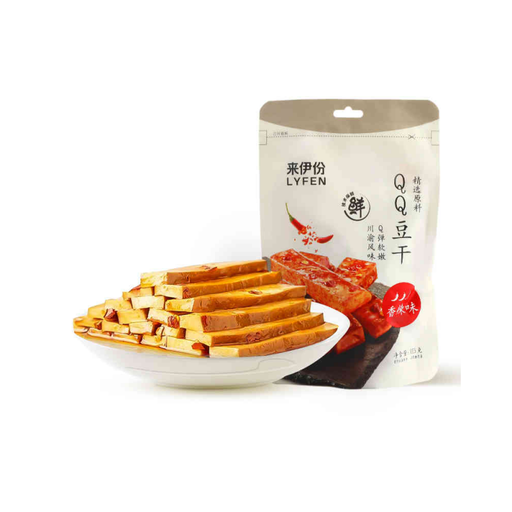
Why This Fits Their Persona: A straightforward entry point for shoppers wanting a single bag of spicy dried tofu for snacking or accompanying a meal.
It is clearly labelled ready to eat, reducing the risk of buying a cooking-only ingredient by mistake.
125g pack; chewy texture; 12.1g protein and 2.2g salt per 100g.
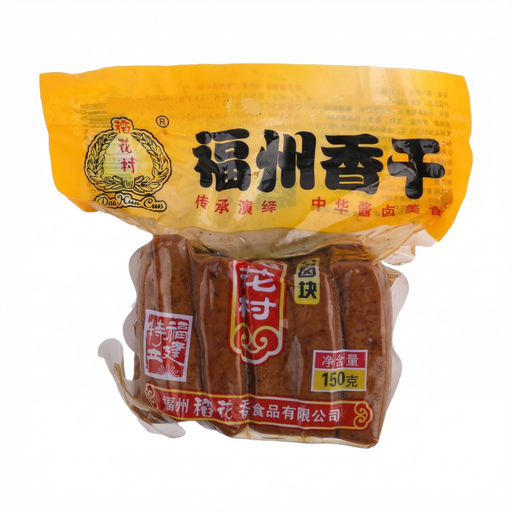
Why This Fits Their Persona: Suitable for shoppers who want a firm, soy-forward snack that can also work in noodles, rice dishes or cold plates.
The listing identifies its 48% soybean content, 150g quantity and ready-to-eat format for clearer comparison.
18g protein per 100g; suitable for snacking, stir-fries, stews and noodle toppings.
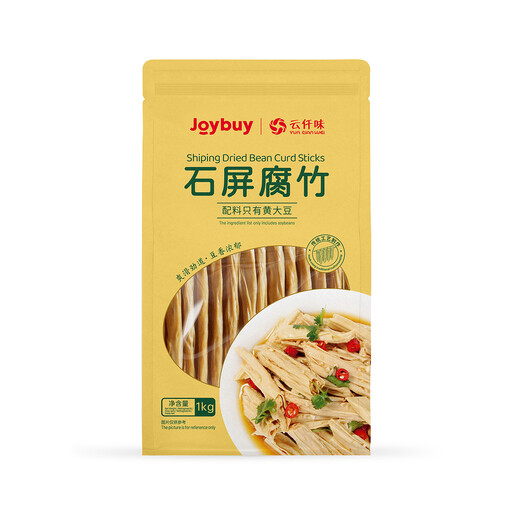
Why This Fits Their Persona: Designed for regular cooks, shared households and anyone preparing hot pot, braised dishes, stews or cold salads.
The pack states that cooking is required and gives a soaking time of approximately two to three hours.
1kg value pack; 100% yellow soybeans listed; 41.3g protein per 100g; salt listed at 0.02g per 100g.
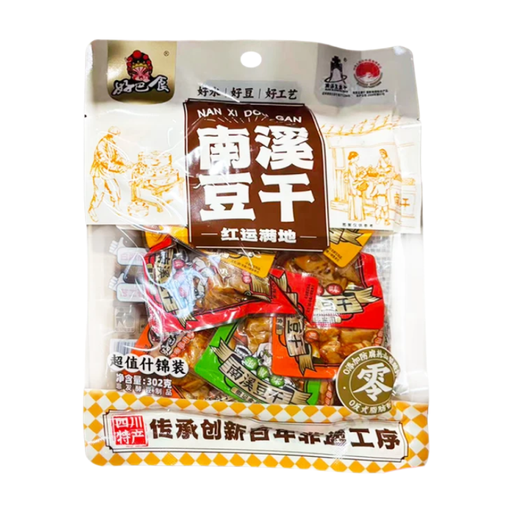
Why This Fits Their Persona: A practical sharing pack for households that want to compare spicy, grilled and pickled chilli Chinese tofu snacks.
Four labelled flavours make it easier to test seasoning preferences without buying several separate full-size packs.
302g assorted pack; ready to eat; 16g protein per 100g across the listed flavours.
We have compiled a complete, real-time list of products that fully satisfy these strict selection criteria and UK safety regulations.
Some are, but not all. Seasoned vacuum-packed tofu pieces are often ready to eat, while plain dried tofu skin and tofu sticks usually require soaking and cooking. Check the product instructions before opening.
Keep unopened products in the cool, dry place stated on the packaging. After opening, reseal or refrigerate where instructed and consume promptly. Cooking-only products may require freezing until use.
Many Chinese dried tofu snacks are made from soybeans and contain no listed meat ingredients, making them a plant-based protein snack option. Nevertheless, check the complete ingredient list, as seasonings may contain wheat, sesame or other allergens.