
24/7 Customer Support

Free returns

Same-day & Next-day Delivery

Quality Guaranteed

Unlock Your Welcome Offers: FREE Delivery | Up to 80% OFF | Free 30-day JoyPlus trial
Download the APP
Chinese fermented bean paste can transform a simple stir-fry, noodle dish or braise, but choosing the wrong jar often leads to an overly salty meal, unsuitable spice levels or a paste that does not match the recipe. UK shoppers may also encounter several names for closely related products, including Pixian broad bean paste, chilli bean sauce, Toban Djan, Sichuan bean paste and Chinese soybean paste.
The key is to look beyond colourful packaging and focus on ingredients, intended use, pack size and storage instructions.
These products are not interchangeable in every recipe. Pixian-style pastes usually contain broad beans, chillies, salt and wheat flour, creating a savoury, spicy base associated with Sichuan cooking. Chinese soybean paste is generally more umami-led, salty and rounded, and is often used in dipping sauces, marinades, braises and northern-style noodle dishes.
If you want to prepare Mapo tofu or twice-cooked pork, a chilli-forward broad bean paste is usually the more suitable starting point. For vegetable dipping, noodle sauces or general stir-fries, Chinese soybean paste may be more adaptable.
A bright red appearance can come from chillies or chilli oil, but colour alone does not indicate heat. Check the ingredient list and product description for terms such as wild chilli, chilli percentage or red oil. A fermented black bean sauce may be intensely savoury without having the same chilli impact as a Sichuan chilli bean sauce.
Fermented pastes are concentrated seasonings. Several products in this category list salt levels between approximately 10g and 20g per 100g, so adding them as if they were a mild table sauce can overwhelm a dish. Start with a small quantity, taste near the end and reduce additional salt, soy sauce or stock seasoning accordingly.
For Sichuan recipes, look for broad beans or fava beans, chillies and fermentation-related ingredients. A Pixian broad bean paste typically provides savoury depth, mild-to-moderate heat and a reddish oil when fried gently.
A soybean paste usually centres on soybeans, wheat flour, water and salt. It can be smoother and more directly salty, making it useful for dipping sauces, braised dishes and Chinese stir-fry seasoning.
For a Hunan-style profile, a product combining chilli with fermented black beans, also known as douchi, offers a punchier and more savoury result. This is different from a standard fermented black bean sauce, which may be less chilli-led.
Many Chinese cooking pastes are designed to be fried before other ingredients are added. Heating the paste in oil helps release its aroma and separates or develops the red oil in some Pixian products. If a product is labelled ready to eat, it may also be suitable for dipping, although the packaging should always be followed.
Thicker pastes may need to be loosened with water, stock or oil. A coarse texture can add character to braises and stir-fries, while a smoother paste may work better in noodles or as a dipping base.
A 150g jar can suit occasional cooks, while 360g to 500g packs are more practical for regular Chinese cuisine enthusiasts, hot-pot meals or professional kitchens. Always check the label for wheat, gluten, soybeans and broad beans.
After opening, many products require refrigeration. Use a clean, dry spoon, keep the lid sealed and follow the stated use-by or best-before guidance. Storage instructions differ between products, so do not assume that every jar can remain in a kitchen cupboard after opening.
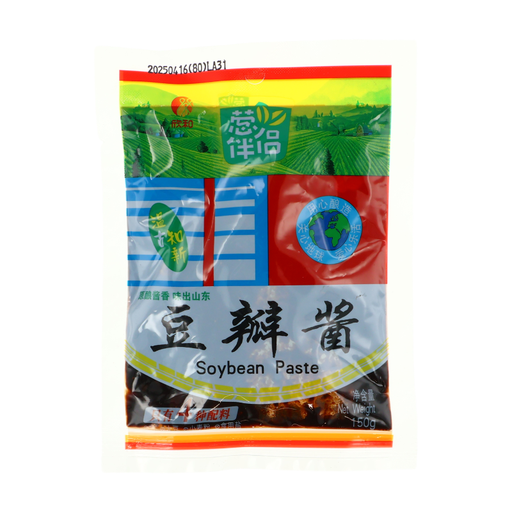
Why This Fits Their Persona: The 150g pack is a manageable choice for UK cooks trying Chinese soybean paste in dipping sauces, stir-fries or braised dishes without committing to a larger jar.
Its stated use includes dipping and cooking, so it is not limited to one regional recipe. The ingredient list clearly identifies soybeans and wheat.
150g format; ready to eat; suitable for dipping sauces, stir-fries and braises.

Why This Fits Their Persona: It is aimed at cooks who want a focused Pixian-style base for Sichuan dishes and prefer a 360g household pack.
The ingredients are listed as red chilli, salt, broad beans and wheat flour, making the flavour base easier to identify before purchase.
360g pack; designed for frying in oil; suitable for Mapo tofu, braises and stir-fries.
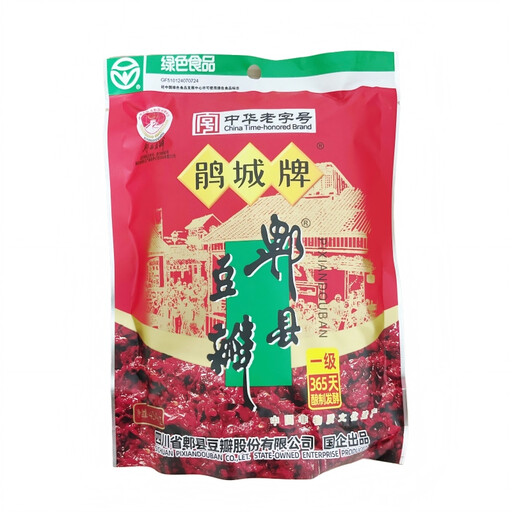
Why This Fits Their Persona: The 454g format suits frequent home cooks, hot-pot hosts and professional kitchens that use Sichuan bean paste regularly.
The label states that it is a cooking seasoning rather than a raw dip, helping buyers match it to sautéing, stewing and marinating.
454g pack; suitable for stir-fried pork, Mapo tofu, stews and hot-pot bases.
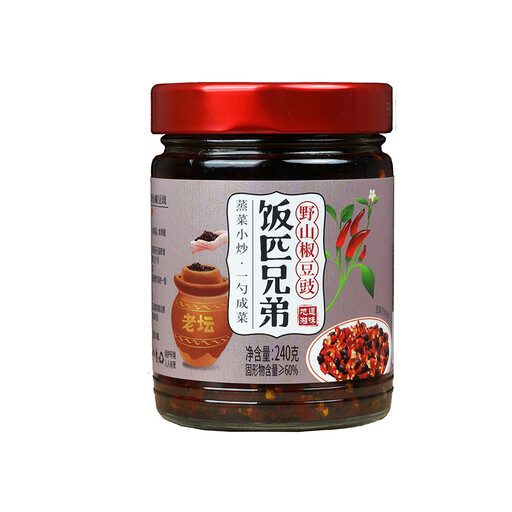
Why This Fits Their Persona: This option suits cooks seeking a strong chilli and douchi combination for noodles, stir-fries or Hunan-inspired meals.
The product description clearly identifies wild chilli and fermented black beans, rather than leaving the heat and umami profile unclear.
240g pack; ready to eat; can be used as a side dish or seasoning for noodles and stir-fries.
We have compiled a complete, real-time list of products that fully satisfy these strict selection criteria and UK safety regulations.
Toban Djan is a common English-language name for a chilli bean sauce, generally associated with fermented broad beans and chillies. Product recipes vary, so check the ingredient list rather than relying on the name alone.
A Pixian broad bean paste or chilli bean sauce is typically the more suitable choice because it provides the chilli, fermented bean and savoury base associated with the dish. Fry it in oil first and adjust the quantity to suit your preferred heat level.
There is no single lifespan for every product. Follow the packaging instructions, refrigerate where stated and use clean utensils. Some products specify consumption within a month after opening, while others provide different guidance. Always prioritise the storage directions on the jar.