
24/7 Customer Support

Free returns

Same-day & Next-day Delivery

Quality Guaranteed

Unlock Your Welcome Offers: FREE Delivery | Up to 80% OFF | Free 30-day JoyPlus trial
Download the APP
Navigating the world of Chinese flour can feel like a complex task. You have a recipe for fluffy steamed buns or silky rice noodle rolls, but the sheer variety of flours available can be overwhelming. Using the wrong type can lead to disappointing results, turning what should be a culinary triumph into a frustrating experience.
As the Joybuy Product Recommendation Officer, my role is to help you find the right ingredients for your kitchen. This guide is designed to demystify the different types of Asian speciality flours, explaining what makes each one unique and which is suited for your specific recipe. We will look at key characteristics to help you make an informed choice, followed by some of our top recommendations available in the UK.
Before you add a product to your basket, understanding a few key differences will ensure you get the texture and taste you are aiming for.
Understand Gluten Content: For wheat flours, gluten is the protein that gives dough its structure and elasticity. High-gluten bread flour is perfect for chewy breads and hand-pulled noodles because it creates a strong, elastic dough. Conversely, low-gluten flour, often labelled as baozi flour or cake flour, has less protein. This results in a softer, more delicate crumb, which is exactly what you want for light and fluffy flour for steamed buns.
Distinguish Between Rice Flours: Not all rice flours are the same. Regular rice flour is made from standard long or short-grain rice. Glutinous rice flour, also known as sticky rice flour, is milled from glutinous rice. Despite its name, it contains no gluten. Its high starch content creates the signature chewy, sticky and elastic texture essential for desserts like mochi, tangyuan (glutinous rice balls) and certain types of rice cakes. The milling process also matters; a wet-milled rice flour often produces a finer, smoother texture than dry-milled alternatives.
Look for Speciality Blends: Some dishes, like Cheung Fun (steamed rice noodle rolls), require a very specific texture that is both soft and slightly chewy, but not sticky. For these, a pre-mixed cheung fun flour is often the most reliable option. These are typically a carefully balanced blend of rice flour and starches (like tapioca or corn starch) formulated to produce that perfect, silky consistency.
Here are some of our recommended flours, selected to help you achieve authentic results in your home cooking.
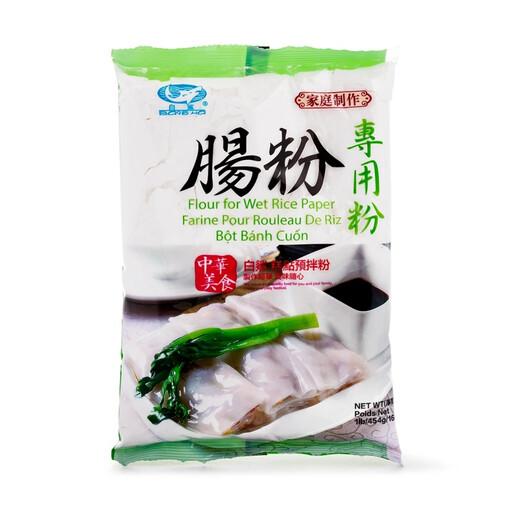
View Product: Paksa Flour for Wet Rice Paper 454g

View Product: Paksa Flour for Steamed Bun 1kg
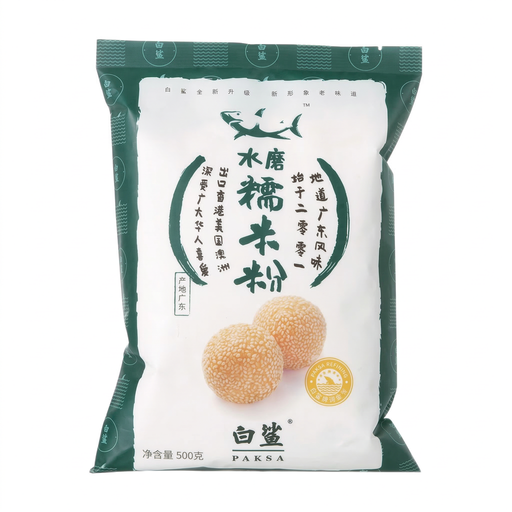
View Product: Paksa Wet-Milled Glutinous Rice Flour 500g

View Product: Baisha High-Gluten Wheat Flour 1kg
If the products above are not quite what you need, or if you are simply curious to see more, we have a wider selection available. From different types of starch to other speciality grains, you can find more ingredients to fuel your culinary creativity.
Explore our full range of Chinese flour and starches
1. What is the difference between glutinous rice flour and regular rice flour? The main difference is the starch composition. Glutinous rice flour is milled from sticky rice and becomes sticky and chewy when cooked, making it ideal for desserts like mochi and tangyuan. Regular rice flour is not sticky and is used for things like rice noodles and some cakes, where a softer, non-chewy texture is desired.
2. Can I use plain all-purpose flour for steamed buns (baozi)? You can, but the texture will be different. All-purpose flour has a medium gluten content, which will result in buns that are denser and chewier than those made with a proper low-gluten flour for steamed buns. For that signature light and fluffy texture, a dedicated baozi flour is highly recommended.
3. How should I store speciality Chinese flours? To maintain freshness, all flours should be stored in a cool, dry place away from direct sunlight. After opening the package, it is a good practice to transfer the flour to an airtight container to protect it from moisture and pests. This will help preserve its quality for longer.