
24/7 Customer Support

Free returns

Same-day & Next-day Delivery

Quality Guaranteed

Unlock Your Welcome Offers: FREE Delivery | Up to 80% OFF | Free 30-day JoyPlus trial
Download the APP
Finding Chinese food and snacks in the UK is easier than ever, but choosing products that genuinely suit your kitchen, dietary needs and storage space requires more than attractive packaging. From spicy Chinese snacks and Chinese condiments to frozen Chinese food and cooking spices, labels can vary considerably in ingredients, portion size and preparation method.
As the Joybuy Product Recommendation Officer, my role is to filter out marketing noise and focus on practical details that affect your purchase. This guide explains the common buying traps, the specifications worth checking and a selection of products matched to different shopping habits.
Words such as “traditional”, “authentic” or “restaurant-style” do not explain how a food will fit into your routine. A sauce may have a familiar regional flavour but still be too salty for frequent use. A snack may look substantial but contain many small sachets with a relatively modest total weight.
Check the net quantity, serving format and full ingredient list rather than relying on front-of-pack descriptions.
Many Asian cooking ingredients contain soya, wheat, sesame, mustard or sulphites. These may appear in soy sauce powder, fermented beans, seasoning mixes or wheat gluten. Always read the allergen statement, particularly when buying Chinese snacks UK households may serve to guests.
Some products also list monosodium glutamate or other flavour enhancers. This is not a reason to reject a product automatically, but it is useful information when comparing Chinese sauces, ready-to-eat Asian food and savoury snacks.
Frozen dumpling wrappers and pancakes can be convenient, but they need storage at -18°C or below. Products should not normally be refrozen after thawing, and repeated thawing can affect texture. Check whether you have enough freezer room before adding frozen Chinese food to a larger order.
For simple pantry items, a short ingredient list can make comparison easier. HUASEED Cassia Bark, for example, lists cinnamon as the sole ingredient, while CUIHONG Chili Powder combines chilli, rapeseed oil, sesame and spices.
For snacks, examine the percentage of the main ingredient where stated. Ma Ling Luncheon Meat with Ham & Pork contains 72% pork and 10% ham. This gives a clearer indication of the product composition than flavour descriptions alone.
Chinese food and snacks fall into three practical groups:
Choose based on when you plan to use the item. Ready-to-eat snacks suit work drawers, packed lunches or entertaining, while spices and Chinese condiments offer more value when you cook regularly.
Nutrition panels can reveal differences that are not obvious from the product name. For example, Lao Gan Ma Preserved Black Bean in Chilli Oil lists 8.0g salt per 100g, while Wei Long Konjac Snack Vegetarian Tripes Hot and Sour Flavour lists 8.2g salt per 100g. These are flavour-forward products, so a small serving may be more practical than treating them as a main food.
Likewise, Taikoo Monocrystal Rock Sugar contains 100g carbohydrate, of which 100g is sugar, per 100g. It is intended as a sweetening ingredient, not as a lower-sugar substitute.

Why This Fits Their Persona: A versatile pantry option for shoppers starting to explore Chinese groceries, especially when one ingredient needs to work across several meals.
The listing clearly states the pork and ham percentages, allergen information and several preparation methods, making comparison more straightforward.
340g pack; ready to eat or suitable for frying, hotpot and stir-frying.
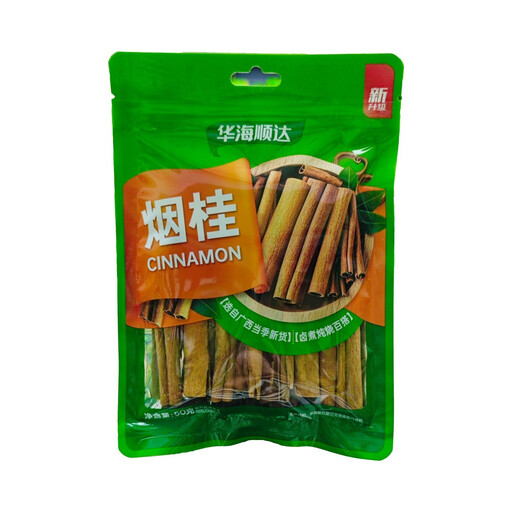
Why This Fits Their Persona: Suitable for cooks who value a clearly defined ingredient and want to build deeper flavour in braises, stews and marinades.
It is a single-ingredient product, so there are no blended seasonings to obscure what you are buying.
50g pack; intended for cooking and removal before serving.
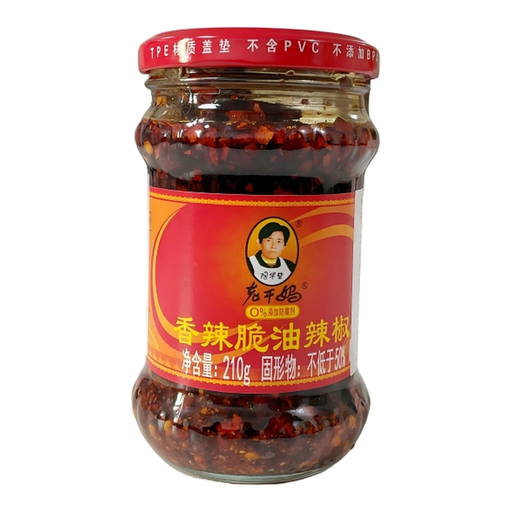
Why This Fits Their Persona: A practical choice for households that regularly eat noodles, rice, dumplings, hotpot or stir-fries and want one jar of Chinese condiments for multiple dishes.
The label gives quantitative declarations for chilli flakes, peanuts and soybeans, plus an allergen warning and storage instructions.
210g jar; ready to eat and suitable for noodles, rice, dipping and stir-fries.
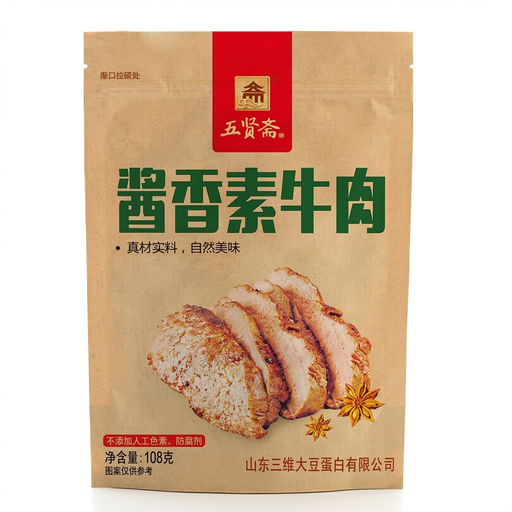
Why This Fits Their Persona: Designed for shoppers seeking vegetarian Chinese snacks with a savoury texture for lunchboxes, sharing or casual eating.
The product is described as wheat-gluten based, with wheat and soya clearly listed as allergens, helping shoppers avoid assuming that vegetarian means allergen-free.
108g pack; ready to eat and suitable as a snack, cold dish or accompaniment to meals.
We have compiled a complete, real-time list of products that fully satisfy these strict selection criteria and UK safety regulations.
For a broader pantry, consider combining different product types rather than buying several similar snacks:
Start with the ingredient list, allergen statement, net weight and storage instructions. These details tell you whether the product suits your diet, portion needs and available cupboard or freezer space.
Many are, including wheat gluten snacks, konjac snacks, preserved duck eggs and steamed sweet potatoes. However, spices, cassia bark, dumpling wrappers, tofu skin and frozen pancakes may require cooking or preparation. Follow the individual product instructions.