
24/7 Customer Support

Free returns

Same-day & Next-day Delivery

Quality Guaranteed

Unlock Your Welcome Offers: FREE Delivery | Up to 80% OFF | Free 30-day JoyPlus trial
Download the APP
Finding authentic Chinese food and snacks in the UK is easier than it once was, but a larger selection also creates more opportunities to buy the wrong product. A colourful packet may not tell you whether a snack is ready to eat, whether a frozen ingredient needs thorough cooking or how much salt a condiment contains.
For students, families, hot pot enthusiasts and busy home cooks, the most useful approach is to check the label before judging the packaging. This guide explains the main pitfalls, the specifications that matter and suitable products for different shopping needs.
Chinese snacks such as konjac snacks, vegetarian snacks and wheat gluten sticks are often ready to eat. Frozen hot pot ingredients, Chinese pancakes, shrimp paste and some Chinese sausage products are different: they require cooking.
For example, FRESHASIA Hotpot Shrimp Paste should be cooked in simmering broth until it floats and becomes fully opaque. Sanquan Spring Onion Flavour Pancake is cooked from frozen in a preheated pan. By contrast, individually wrapped konjac snacks can be eaten directly after opening.
Always check the preparation instructions rather than relying on the product category or photographs.
Authentic flavour can come from fermented beans, chilli, spices, soy sauce or preserved ingredients, but the recipe may also include oil, sugar, flavour enhancers, preservatives or acidity regulators.
This is particularly important when buying chilli oil, preserved foods, Chinese condiments or spicy Chinese snacks. A product can be suitable for your intended dish while still requiring careful checking for salt, allergens and additives.
A large multipack may appear economical but can be unsuitable if you live alone or have limited freezer space. Frozen products must generally remain at -18°C or below, while shelf-stable snacks still need appropriate storage after opening.
Individual portions, such as 18g konjac snack packs or small spicy snack sachets, can be practical for lunchboxes and sharing. However, always compare the total net weight, not only the number of packets.
UK food labels should identify relevant allergens clearly. Common allergens across Asian snacks and cooking ingredients include:
For example, MOWON Salt & Pepper Konjac Shreds list sesame, soybeans, wheat and sulphites. FRESHASIA Hotpot Shrimp Paste contains crustaceans and may contain eggs, fish, soybeans, milk and cereals containing gluten.
Check whether the product is ready to eat, pre-cooked or requires cooking. Frozen items should not be refrozen after thawing unless the packaging specifically permits it.
Shrimp paste, fish tofu, lotus root slices and frozen Chinese pancakes should be cooked according to the package instructions. Chinese sausage should also be cooked thoroughly; Wing Wing Chinese Style Pork Sausage can be steamed, pan-fried or used in cooked rice dishes, but it is not ready to eat directly from the pack.
Nutrition panels allow fairer comparisons between products. Pay particular attention to salt, especially in chilli oil, preserved mustard greens, luncheon meat, preserved duck eggs and spicy snacks.
For reference, Lao Gan Ma Preserved Black Bean in Chilli Oil lists 8.0g salt per 100g, while its Spicy Crispy Oil Chilli lists 9.3g. These condiments are typically used in small amounts, so consider how much you actually add to a meal rather than treating the jar as a single serving.
Frozen products such as lotus root slices, shrimp paste and tofu fish need freezer capacity. Shelf-stable products such as konjac snacks, preserved duck eggs and chilli oil are more convenient for cupboards, but should still be stored as instructed after opening.
For family cooking, a 454g pack of sliced lotus root or a 340g tin of luncheon meat may be more practical than several small packs. For office lunches or commuting, individually wrapped vegetarian snacks may reduce waste and improve portability.
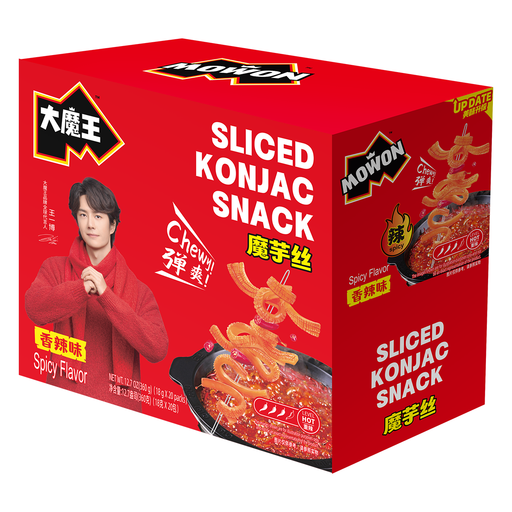
Why This Fits Their Persona: Twenty individually wrapped portions make this a straightforward introduction to spicy Chinese snacks for students, flat-sharers and commuters.
It is clearly labelled ready to eat, so there is no confusion with frozen or cooking-required products. Allergens are listed on the product information.
18g packs are easy to portion and carry. The pack contains 360g in total and provides a chewy konjac texture.
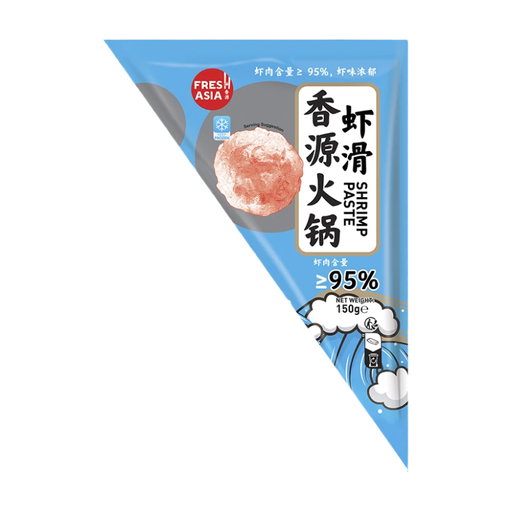
Why This Fits Their Persona: A focused hot pot seafood ingredient for shoppers who want a defined texture and a high shrimp content in a home hot pot.
The product specifies 95% shrimp and gives clear cooking instructions, helping buyers distinguish it from a ready-to-eat snack.
Made with 95% shrimp and suitable for hot pot, boiling or soup. It is stored frozen at -18°C or below.
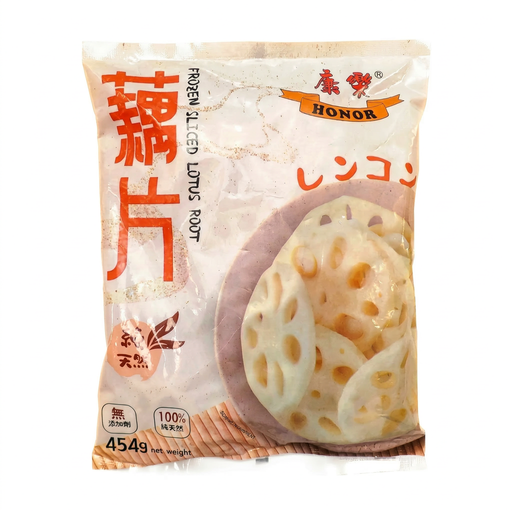
Why This Fits Their Persona: Suitable for households that regularly prepare stir-fries, soups, salads or hot pot and want a versatile vegetable ingredient.
The ingredient list is lotus root at 100%, avoiding a long list of added sauces or seasonings when you want control over a recipe.
The 454g pack is suitable for multiple dishes. It can be stir-fried, boiled, added to soups or used in hot pot.
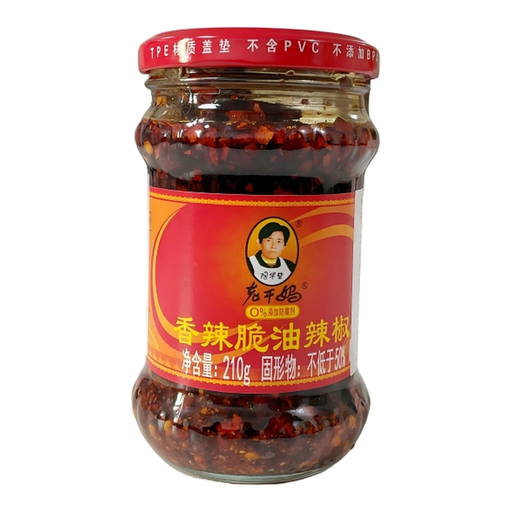
Why This Fits Their Persona: A cupboard-friendly Chinese condiment for cooks who want to adjust the heat and texture of noodles, rice, dumplings or hot pot sauces.
The listed ingredients and nutrition panel make the high salt content visible, encouraging measured use rather than treating it as a complete sauce.
Ready to eat after opening and suitable for rice, noodles, dumplings, stir-fries and dipping sauces. It contains chilli flakes, peanuts and soybeans.
We have compiled a complete, real-time list of products that fully satisfy these strict selection criteria and UK safety regulations.
Shelf-stable konjac snacks, vegetarian beef-style snacks, wheat gluten sticks and chilli oil are practical for cupboards and require little preparation. Individually wrapped products are also useful for packed lunches and sharing.
Keep them at -18°C or below until the best-before date, follow the pack instructions and do not refreeze after thawing. Use separate utensils and cook seafood or processed ingredients until thoroughly hot.
Some may be, but each product must be checked individually. Soybeans, wheat, sesame, fish, crustaceans, eggs, milk and mustard appear across different product types. Read the full ingredient and allergen information before purchasing.