
24/7 Customer Support

Free returns

Same-day & Next-day Delivery

Quality Guaranteed

Unlock Your Welcome Offers: FREE Delivery | Up to 80% OFF | Free 30-day JoyPlus trial
Download the APP
Shopping for Chinese groceries online in the UK can save time and offer access to regional noodles, snacks, ready-to-eat food and Chinese baijiu that may not be available in local supermarkets. However, attractive packaging and broad descriptions do not always tell you what you need to know before ordering.
This guide from the Joybuy Product Recommendation Officer focuses on practical checks: ingredients, preparation, storage, allergens, pack size and intended use.
“Rice noodles”, “rice vermicelli” and wheat noodles are not interchangeable. Chinese rice noodles and Jiangmen rice noodles are generally made from rice and water, while Shanghai noodles are typically wheat-based. Jiangxi rice vermicelli may require a longer soaking period than thinner vermicelli.
A product that looks suitable for a quick meal may still require soaking, boiling or stir-frying. Always check the cooking directions before buying several packs.
Many vegetarian Chinese snacks use soy protein or wheat gluten to create a chewy texture. They may be suitable for some vegetarian diets, but they are not necessarily suitable for people avoiding soya, wheat or gluten.
Read the full allergen declaration rather than relying on terms such as “vegetarian meat” or “plant-based”. Products can also contain sesame, mustard or peanuts through seasoning sauces.
Ready-to-eat Chinese snacks are convenient, but seasoning levels can differ considerably. For example, the Wei Long seasoned gluten snack lists 15.75g of salt per 100g, while the Bestore chewy tofu snack lists 2.58g per 100g. These figures are not directly comparable by serving unless you also consider the portion size.
For baijiu, check ABV, bottle size, alcohol units, age restrictions and importer information. A 100ml bottle at 42% ABV contains 4.2 UK alcohol units. Alcohol must only be purchased by customers aged 18 or over and should be consumed responsibly.
Look for the complete ingredient list and highlighted allergens. Common allergens in this category include:
If you have an allergy or dietary restriction, compare the product page with the packaging when it arrives. Recipes and packaging can change.
Storage instructions affect both quality and food safety. Dried noodles usually need a cool, dry cupboard and an airtight container after opening. Ready-to-eat snacks commonly require room-temperature storage before opening, followed by prompt consumption once opened.
Frozen products, such as Sichuan-style spicy boil, should be kept at -18°C or below and must not be refrozen after thawing. Check that your delivery arrangements allow frozen items to remain properly chilled.
Compare net weight rather than judging value by the number of sachets or packets. A 400g ×2 noodle bundle supplies 800g in total, while a snack described as “approximately 26 small packs” may be designed for individual portions or sharing.
Preparation time also matters. Fortune Jiangmen rice noodles suggest soaking for around 15–20 minutes, whereas FOISON Jiangxi rice vermicelli suggests 20–30 minutes, followed by cooking. Liu Yi Pao Xi’an Stir-Fried Paomo requires boiling water and approximately 5–8 minutes of standing time.
The following selections match different shopping needs rather than applying one standard to every household.
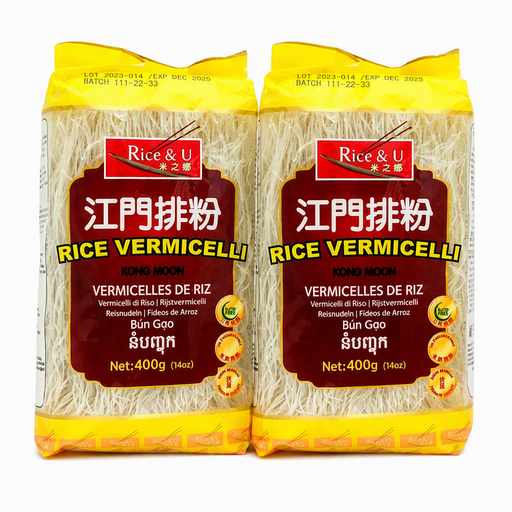
Why This Fits Their Persona: A two-pack of dried rice noodles gives students, flat-sharers and first-time buyers a versatile cupboard staple for soups, stir-fries and cold noodle salads.
The listing clearly identifies rice and water as ingredients and states that cooking is required, reducing confusion with instant noodles.
800g total weight; ingredients listed as rice and water; suitable for several cooking methods.
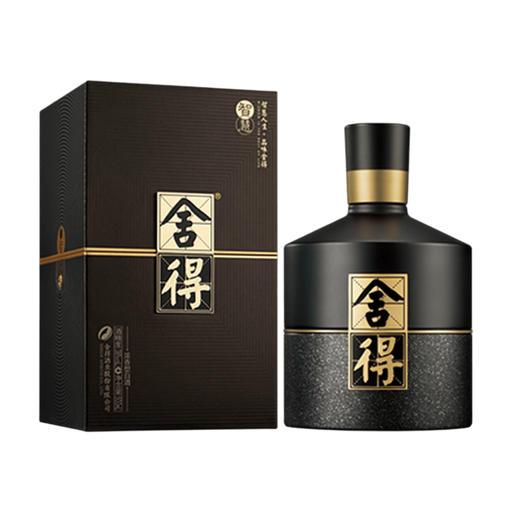
Why This Fits Their Persona: A larger bottle with presentation-focused packaging may suit gifting, formal meals or customers comparing Chinese baijiu for a collection.
The listing states 52% ABV, 500ml content, gluten-related allergens and separate storage instructions after opening.
500ml bottle; 52% ABV clearly displayed; importer and country-of-origin information provided.
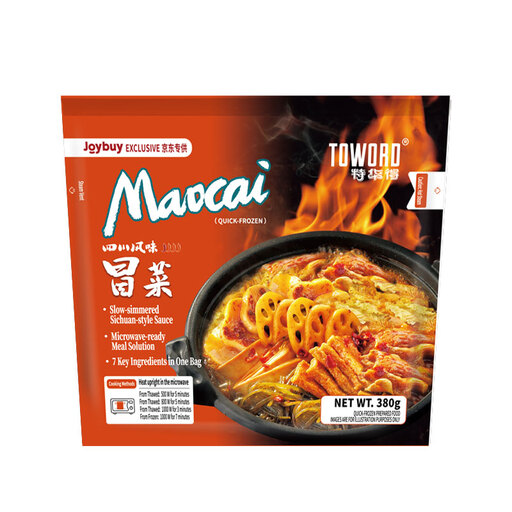
Why This Fits Their Persona: Suitable for busy households wanting a substantial Chinese meal with vegetables, plant protein and separate seasoning sachets.
The listing specifies frozen storage at -18°C or below and identifies soya, wheat, peanut and sesame allergens.
380g meal format; includes vegetables and plant protein; designed for preparation in approximately five minutes.
For everyday noodle dishes, compare Jiangmen rice noodles with Jiangxi rice vermicelli by soaking time and texture. For a wheat-based alternative, NIKKO Shanghai noodles contain wheat flour and gluten, so they are more suitable for shoppers who specifically want Shanghai-style soup noodles rather than rice noodles.
For snacks, consider the occasion:
We have compiled a complete, real-time list of products that fully satisfy these strict selection criteria and UK safety regulations.
Check ingredients, highlighted allergens, net weight, country of origin, storage instructions, best-before information and preparation directions. For alcohol, also check ABV, bottle size, importer details and the 18+ purchasing requirement.
They are related but can differ in thickness, texture and cooking time. Jiangmen-style noodles are often wider and suited to soups or stir-fries, while rice vermicelli is generally finer. Follow the specific soaking and cooking instructions on the product page.
Yes, some products are ready to eat, while others require hot water or cooking. Ready-to-eat snacks can be opened and served directly, whereas items such as Liu Yi Pao Xi’an Stir-Fried Paomo require boiling water. Frozen meals need suitable freezer storage as soon as they arrive.