
24/7 Customer Support

Free returns

Same-day & Next-day Delivery

Quality Guaranteed

Unlock Your Welcome Offers: FREE Delivery | Up to 80% OFF | Free 30-day JoyPlus trial
Download the APP
Buying Chinese groceries online in the UK can save a trip to a specialist shop, but product pages do not always make comparisons straightforward. A seasoning pouch may look convenient while containing a large amount of salt, a “vegetarian” sauce may still contain soya and wheat, and a multi-pack may offer poor value if it does not match how often you cook.
This guide focuses on the details that matter before you add Chinese seasoning mixes, Sichuan seasoning, sauces, snacks or selected pet-care products to your basket.
Most compound seasonings are not ready-to-eat meals. They need fresh ingredients such as tofu, pork, chicken, vegetables, oil or water. Check the serving instructions and required ingredients before buying, particularly if you want a quick midweek dinner.
For example, a mapo tofu seasoning mix may require tofu, minced beef, water, oil and a small amount of flour for thickening. A boiled pork seasoning kit may require sliced meat, vegetables and additional cooking oil.
Chinese cooking spices and sauces commonly include soya beans, wheat or sesame. Some products also contain peanuts, milk or gluten-containing ingredients. Read the full ingredient and allergen statement rather than relying only on terms such as “traditional”, “plant-based” or “spicy”.
Salt levels can also differ considerably. The Hao Ren Jia mapo tofu seasoning lists 13.90g salt per 100g, while the complete dish will also contain salt from tofu, meat, soya sauce or other ingredients. Use the seasoning as directed and avoid adding extra salt until the dish has been tasted.
A multi-pack is useful for regular cooking, but opened sauces and seasoning sachets may lose freshness if stored incorrectly. Look for cool, dry storage, resealable packaging or individually portioned sachets. Once opened, follow the label guidance and use refrigerated products according to their packaging instructions.
Look for clear ingredient information and identify whether the product contains:
For mixed boxes, check every individual sachet or bottle. A bundle can contain several separate products with different allergen profiles.
A seasoning kit designed for 200–250g of meat is not interchangeable with one intended for 500g of tofu. Check:
This helps you compare cost per meal rather than cost per packet.
Ready-to-eat sauces can be convenient for rice, noodles and stir-fries, while dry spices offer more flexibility but may require additional cooking steps. Check energy, fat, sugar and salt per 100g, especially when comparing chilli oil, sesame-based sauces and seasoning pastes.

Why This Fits Their Persona: A practical entry point for UK households wanting to cook a Sichuan-style tofu dish without purchasing many separate pastes and spices.
The three 80g sachets are portioned for separate meals, reducing the need to open one large pouch repeatedly. The page also clearly lists wheat and soya allergens.
Includes doubanjiang, fermented black beans, chilli and Sichuan peppercorn. Each pack is designed to be used with tofu and optional minced beef.
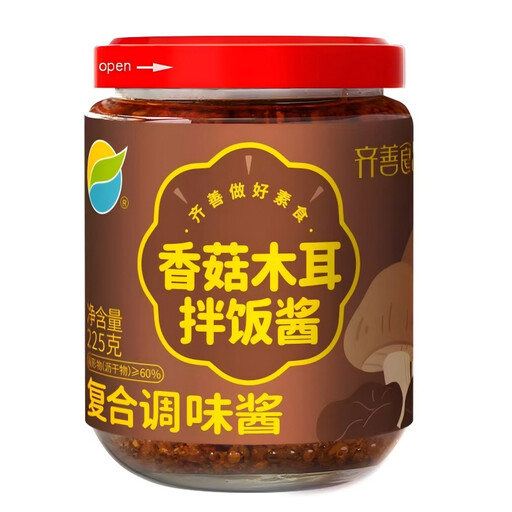
Why This Fits Their Persona: Suitable for shoppers who prefer a plant-based sauce with visible mushroom pieces and several serving options.
The product description identifies shiitake mushroom at 15% and wood ear mushroom at 8%, while also stating that it contains soya beans and wheat.
Ready to eat upon opening; can be added to rice, noodles, porridge, stir-fries, dumpling fillings or used as a dipping sauce.

Why This Fits Their Persona: Designed for shoppers who regularly prepare larger family meals and want a structured method for Sichuan-style boiled pork.
The kit separates the seasoning base, marinade and dried chilli-Sichuan pepper mix, so each part is used at a defined stage rather than guessed.
The instructions cover 200–250g of sliced meat and include a three-stage process. It contains wheat and soya, which are clearly identified.

Why This Fits Their Persona: A familiar UK snack option for shoppers adding chocolate wafer biscuits to a broader grocery order.
The pack states a typical seven-bar quantity and provides allergen information for wheat, milk, barley and soya.
Individually portioned bars with a crisp biscuit centre and caramel-flavoured coating. Store in a cool, dry place.
For a versatile Chinese dipping sauce, the Hao Ren Jia option combines peanut butter, sesame paste and chilli oil, making it suitable for hot pot, dumplings, cold noodles and vegetables. Remember to check its peanut, sesame and soya allergens.
Those shopping beyond food may also find a dog and cat calming supplement such as Dorwest Valerian Compound. Follow the label dosage, consult a vet where appropriate and do not treat a pet supplement as a substitute for veterinary care.
We have compiled a complete, real-time list of products that fully satisfy these strict selection criteria and UK safety regulations.
Many are, provided you read the method first. Choose a kit with clear sachet instructions and check the fresh ingredients required. Mapo tofu seasoning and multi-purpose compound seasoning sets can be useful starting points, while separate Chinese cooking spices offer more control once you are comfortable adjusting flavour.
Keep unopened products in a cool, dry place away from direct sunlight and moisture. After opening, seal the pack securely and follow the product label. Ready-to-eat sauces should generally be used as soon as possible after opening, with refrigeration used where the packaging instructs it.
Yes. A mixed basket can include seasoning mixes, Sichuan seasoning, rice sauces, Asian snacks and chocolate wafer biscuits. Compare pack sizes, allergen statements and best-before information separately, because storage requirements can differ between dry seasonings, sauces and confectionery.