
24/7 Customer Support

Free returns

Same-day & Next-day Delivery

Quality Guaranteed

Unlock Your Welcome Offers: FREE Delivery | Up to 80% OFF | Free 30-day JoyPlus trial
Download the APP
Chinese herbal tea drinks are increasingly easy to order online in the UK, whether you are shopping for a familiar Jia Duo Bao herbal tea, a Wanglaoji herbal tea drink or a caffeine-free alternative for meals and everyday refreshment. However, product names such as “cooling tea”, “hydration” and “traditional formula” can make comparison difficult.
The right choice depends on more than the colour of the can. Check the ingredient list, sugar content, serving format and quantity before placing an order.
Many ready-to-drink herbal tea products are sweetened. For example, one Jia Duo Bao 310ml product lists 8.5g of carbohydrate per 100ml, while a Wanglaoji 310ml can lists 8.5g of sugar per 100ml. That can add up across a full can or multipack.
“Herbal” describes the drink’s plant ingredients and traditional style; it does not automatically indicate low sugar or low calorie content. Always check the nutrition panel rather than relying on front-of-pack wording.
The phrase Chinese cooling tea refers to a traditional beverage concept and taste profile. It should not be interpreted as a medical, therapeutic or guaranteed “heat-relief” product. If you have a health condition, take medication or need to manage sugar intake, read the full label and seek suitable professional advice where necessary.
A 24-can herbal tea multipack may suit a family, office or celebration, but it can be excessive for someone trying a flavour for the first time. Conversely, small packs may offer convenience but cost more per serving. Consider where the drink will be stored, how quickly it will be consumed and whether refrigeration is available after opening.
Look for the full ingredient list in the product description or on the packaging. Common ingredients in Chinese herbal tea drinks include chrysanthemum, honeysuckle, Mesona Chinensis, selfheal and liquorice root. Some products may also contain citric acid, stabilisers or sweeteners.
Liquorice is present in several traditional-style formulas, so it is worth checking the label if you prefer to avoid it. Although many products list no declarable allergens, this should be confirmed against the current packaging, particularly if you have an allergy or dietary restriction.
Compare nutrition per 100ml, then calculate the amount in the full container. A 310ml can containing 8.5g of sugar per 100ml provides approximately 26g of sugar per can. A 248ml chrysanthemum tea drink listed at 8 kcal per 100ml provides a lighter option, although it contains sweeteners.
For a caffeine-free herbal tea, check the ingredients rather than assuming every herbal drink is caffeine-free. Ginger, chrysanthemum, moringa, peppermint and hibiscus infusions are generally positioned as caffeine-free options when no tea leaves or added caffeine are listed.
Ready-to-drink herbal tea is convenient for packed lunches, work breaks and meals. Cans and bottles are useful for gatherings, while a larger bottle can be more practical for sharing at home. Powdered or loose products such as ginger tea require preparation but may offer more control over serving size and whether the drink is served hot or chilled.
Check storage instructions too. Several ready-to-drink products should be refrigerated after opening and consumed within 24 hours. Unopened drinks are generally stored in a cool, dry place away from direct sunlight, but always follow the product label.
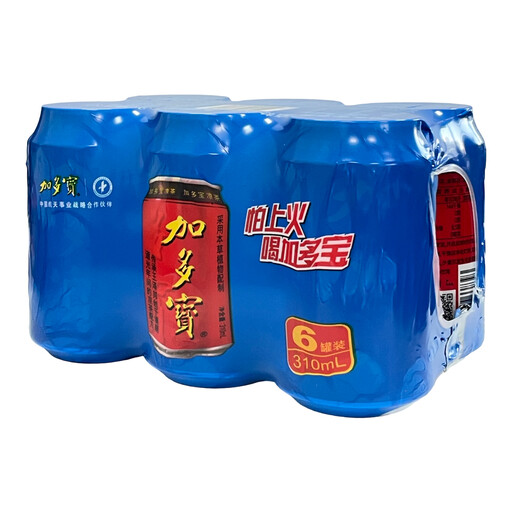
Why This Fits Their Persona: A six-can pack provides a manageable way to try a traditional Chinese herbal drink at home, with enough for lunches, meals or a small household.
The smaller multipack reduces the risk of overbuying before you know whether the flavour and sweetness suit you.
310ml ready-to-drink cans; ingredients include Mesona Chinensis, chrysanthemum and honeysuckle.
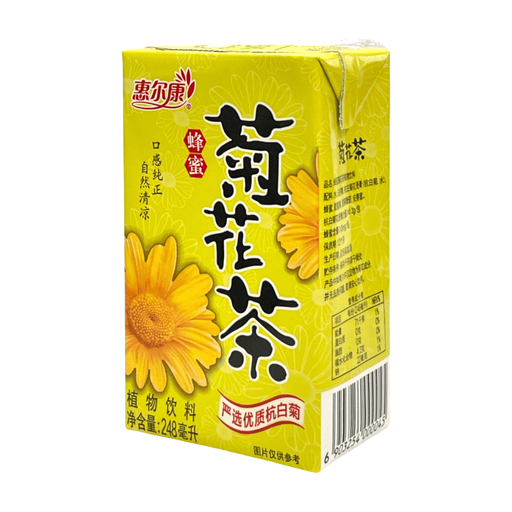
Why This Fits Their Persona: Suitable for shoppers who want a floral chrysanthemum tea drink with a smaller serving size and a lower listed energy value.
Its nutrition panel clearly states 8 kcal per 100ml, while the listing also identifies the use of sweeteners, making comparison more transparent.
Contains chrysanthemum concentrate and extract; ready to drink chilled or at room temperature.
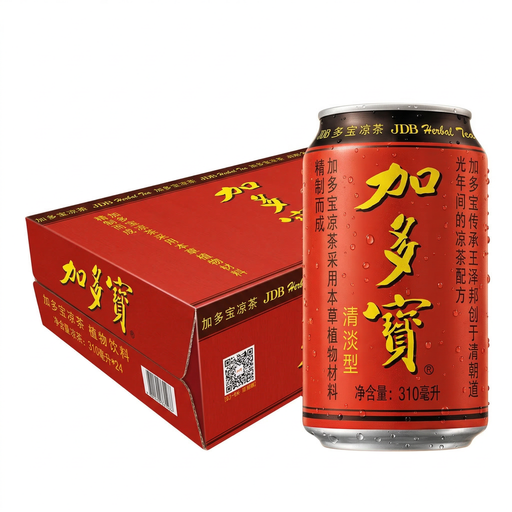
Why This Fits Their Persona: A larger case is practical for offices, student households, restaurants, parties and regular Asian grocery shoppers.
The 24-bottle format matches high-frequency use, helping avoid repeatedly paying for individual drinks when a case is more convenient.
310ml portable bottles; traditional herbal ingredients include chrysanthemum, honeysuckle and liquorice root.
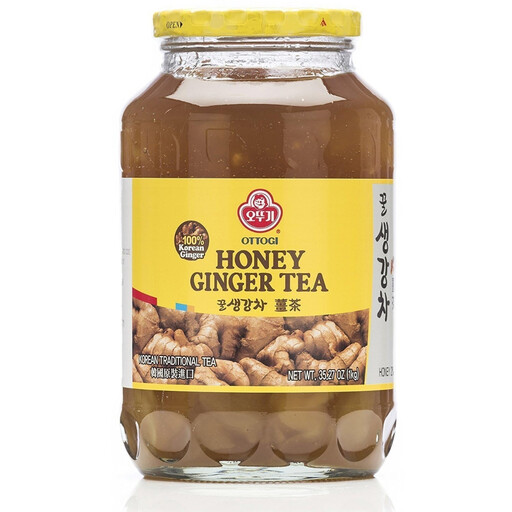
Why This Fits Their Persona: A large ginger tea format suits households and workplaces that want to prepare drinks hot, iced or with added lemon.
It is not presented as a pre-sweetened can, so the drinker can control the amount of water and any additions used during preparation.
Ingredients list ginger; 1kg quantity supports repeated preparation at home or in an office kitchen.
We have compiled a complete, real-time list of products that fully satisfy these strict selection criteria and UK safety regulations.
The same comparison approach also applies to Asian herbal drinks such as chrysanthemum, hibiscus, ginger, corn silk and traditional Chinese herbal blends. Flavour can range from floral and lightly sweet to warm, spicy or slightly bitter, so buying a smaller pack first can be sensible when trying an unfamiliar product.
Not all products are automatically caffeine-free. Traditional ready-to-drink formulas made from herbs rather than Camellia sinensis tea leaves may contain no listed caffeine, but you should verify the ingredient and product information. Ginger, chrysanthemum, moringa, peppermint and hibiscus products are commonly selected as caffeine-free options when the label confirms their composition.
Many canned and bottled products are described as best served chilled, although some can be enjoyed at room temperature. Follow the storage instructions after opening: several products recommend refrigeration and consumption within 24 hours.
A larger herbal tea multipack can be more convenient for regular drinkers, offices and gatherings, but value depends on the purchase price, storage space and whether the full quantity will be consumed before its best-before date. Compare the total volume and price per 100ml rather than judging by the number of cans alone.