
24/7 Customer Support

Free returns

Same-day & Next-day Delivery

Quality Guaranteed

Unlock Your Welcome Offers: FREE Delivery | Up to 80% OFF | Free 30-day JoyPlus trial
Download the APP
Chinese herbal tea can mean several different products: a sweet, ready-to-drink herbal beverage; a larger bottle for sharing; or loose-leaf tea that you brew at home. For UK shoppers, the main challenge is separating practical product information from broad claims about “cooling”, hydration or traditional benefits.
Whether you need drinks for a family gathering, a packed lunch, an office fridge or a summer picnic, check the format, ingredients, sugar content and storage instructions before ordering.
Terms such as Chinese cooling tea, “heat relief” and “detox” are often linked to traditional food culture. They should not be treated as medical advice or evidence that a drink can prevent, diagnose or treat a health condition. Choose based on flavour, ingredients, serving format and personal preference instead.
For example, a chrysanthemum herbal tea or liquorice herbal tea may have a distinctive floral or lightly sweet flavour, but the presence of an ingredient does not guarantee a particular health outcome.
A drink may look light because it contains no fat, but still contain significant carbohydrate and sugar. The 310ml Jiaduobao listing provides 8.5g of sugar per 100ml, equivalent to approximately 26g per bottle based on the supplied nutrition panel. Compare the per-100ml information with the full bottle or can size, particularly when buying a multipack.
Also check whether the product is sold as a 310ml, 500ml or 1.5L format. A larger bottle can suit sharing, while smaller portions may be more convenient for work, school or travel.
A bottled herbal tea is ready to drink, whereas loose-leaf tea requires equipment, hot water and preparation time. Peach oolong tea, for instance, may be suitable for both hot infusion and cold brewing, but it is not an instant drink.
Likewise, a glass teapot with infuser can be useful for serving several cups, but glass requires careful handling around boiling water and sudden temperature changes.
Read the ingredient list rather than relying only on the front label. Jiaduobao products listed here include ingredients such as Mesona Chinensis, chrysanthemum, honeysuckle, selfheal and liquorice root, while another listing identifies herbal extracts and liquorice.
If you prefer a floral profile, look for chrysanthemum. Liquorice can contribute a naturally sweet, recognisable note. If you want a fruit-led drink, peach oolong tea combines peach flavour with the deeper taste of oolong tea.
Always check the current product label for allergens and ingredient changes before consumption, especially when buying imported drinks.
For occasional use, a single bottle or smaller multipack may reduce waste. For parties, family use or regular stock, a 15-bottle or six-bottle larger-format pack may be more suitable.
Shelf-stable products should generally be stored in a cool, dry place away from direct sunlight, according to the supplied listings. Once opened, follow the packaging instructions. The 310ml Jiaduobao multipack specifies refrigeration after opening and consumption within 24 hours.
Check the best-before date on arrival, as this can vary between batches and is not always represented by a fixed date online.
For loose-leaf tea, consider:
Never pour boiling water into a chilled glass pot, overfill the vessel or use cookware with visible chips or cracks.
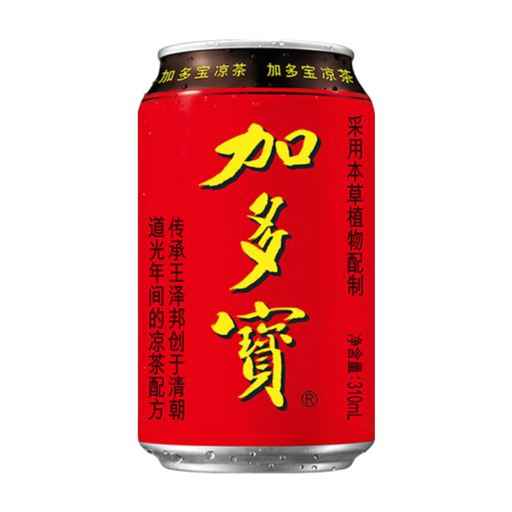
Why This Fits Their Persona: A straightforward entry point for shoppers who want an individual ready-to-drink herbal tea for a lunchbox, desk or short journey.
The 310ml quantity is clearly stated, helping buyers compare a single portion rather than guessing from the packaging.
Ready to drink; supplied information lists chrysanthemum, Prunella Vulgaris and liquorice root among the herbal ingredients.

Why This Fits Their Persona: Suits shoppers who prefer a prepared tea ritual and a peach-forward flavour rather than a sweet canned drink.
It is sold as 80g loose-leaf tea, so the preparation method is visible instead of being mistaken for an instant beverage.
Contains oolong tea and peach; instructions allow 2–3g per cup for 3–5 minutes and also mention cold brewing.
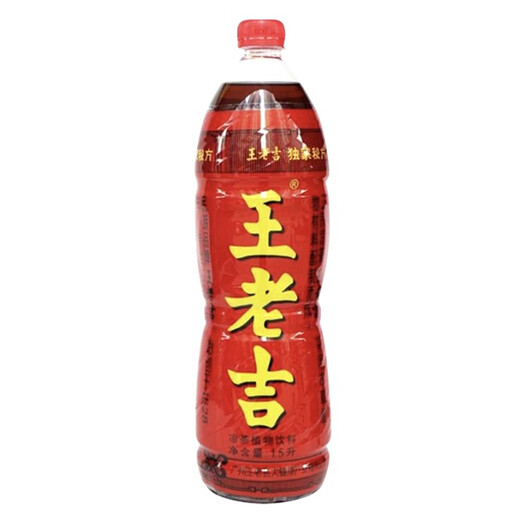
Why This Fits Their Persona: A practical choice for households, gatherings and shared meals where several small bottles would create unnecessary packaging.
The six-bottle pack and 1.5L size are stated in the product name, making its higher-volume purpose clear before purchase.
Large-format bottled herbal tea; suitable for chilling and serving with food or during group occasions.

Why This Fits Their Persona: Designed for people who want to brew loose-leaf tea at home and serve multiple cups from one vessel.
The infuser and plunger system allows brewing to stop once the desired strength is reached, rather than leaving leaves in the water indefinitely.
Uses heat-resistant borosilicate glass and a stainless-steel infuser; the supplied details state that all parts are dishwasher safe.
We have compiled a complete, real-time list of products that fully satisfy these strict selection criteria and UK safety regulations.
Choose a ready-to-drink herbal tea if convenience is your priority. Canned herbal tea and bottled herbal tea can be chilled in advance and served without a kettle, infuser or measuring spoon. Jiaduobao is available in formats including 310ml and 500ml, while Wang Lao Ji herbal tea listings include 500ml and 1.5L options.
Choose loose-leaf tea if you want to adjust strength, experiment with hot and cold brewing or reduce dependence on individually packaged drinks. A 400ml infuser suits one person, while a 750ml or 1.5L glass teapot is more appropriate for sharing.
For outdoor use, check whether the drink is sealed and portable. For home use, prioritise capacity, cleaning and safe handling. For school or office use, review the sugar content and whether refrigeration is available after opening.
It depends on the product and your dietary preferences. Check the full ingredient list, sugar content and portion size. Traditional descriptions such as “cooling” do not replace medical advice, and anyone with specific dietary or health concerns should seek advice from an appropriate professional.
Both are branded Chinese herbal tea drinks available in ready-to-drink formats, but their listed pack sizes and product details vary. Jiaduobao options here include 310ml and 500ml formats, while Wang Lao Ji listings include 500ml and 1.5L products. Compare the exact listing, ingredients, nutrition panel, quantity and best-before information before ordering.
The answer depends on your serving size and equipment. Loose-leaf tea requires tea leaves, hot or cold water and an initial infuser or teapot purchase, but one caddy can provide multiple servings. Bottled tea costs more per ready-to-serve portion but requires no brewing equipment. Comparing the price per 100ml or per prepared cup gives a more useful guide than comparing pack prices alone.