
24/7 Customer Support

Free returns

Same-day & Next-day Delivery

Quality Guaranteed

Unlock Your Welcome Offers: FREE Delivery | Up to 80% OFF | Free 30-day JoyPlus trial
Download the APP
Preparing Chinese hot pot at home can be simple, but the wrong combination of ingredients and cookware may lead to bland broth, overcrowded portions, difficult cleaning or an appliance that does not suit your kitchen. This guide explains what to check before buying, from hot pot soup base and noodles to capacity, power and non-stick coatings.
A packet labelled “spicy” may contain more than chilli and Sichuan pepper. For example, the ingredient list for Haidilao Spicy Hot Pot Seasoning 360g includes broad bean paste, wheat, soybeans and flavour enhancers. It also lists 12.13g of salt per 100g. Always read the UK ingredient and allergen panel, particularly if your diners avoid wheat, soybeans, peanuts, sesame or sulphites.
For a milder meal, consider a mushroom or tomato base rather than assuming that diluting a spicy hot pot seasoning will create a balanced flavour. A vegetarian hot pot soup base can also suit mixed households, but “plant-based” does not automatically mean allergen-free. Qi Shan’s Three Treasures base contains soybeans, wheat gluten and sesame.
Hot pot vegetables, tofu products and noodles do not all cook at the same speed. Leafy greens cook quickly, while hot pot rice cakes may need several minutes in boiling broth. Sweet potato noodles can also require around 5–8 minutes, depending on the product instructions.
Buy a balance of textures rather than several similar starches. A practical selection might include:
Bamboo shoots for hot pot are particularly convenient because they add crunch without extensive preparation. Drain ready-to-use slices before cooking and check whether the pack contains sulphites.
A high wattage does not necessarily make a cooker suitable for every household. A 1.2L appliance may work for one person in a student room, but it will be restrictive for a family meal. Conversely, a 7L pot requires more storage space and may be unnecessary for two diners.
Check the usable capacity, heat settings, plug type, cleaning instructions and whether the cooking pot is detachable. For UK use, confirm that the listing specifies a suitable UK plug or understand whether an adaptor is required. Keep the appliance on a stable, heat-resistant surface and follow the supplied safety instructions.
Compare the recommended water-to-seasoning ratio rather than judging value by packet weight alone. Haidilao Mushroom Flavour Hot Pot Seasoning 150g, for example, recommends one portion with approximately 1–1.2 litres of water. Qi Shan’s concentrated vegetarian base is described for 2–2.5 litres.
For a varied table, a gift box with several flavours may reduce the need to buy separate packs. The Haidilao Hot Pot Gift Box includes clear oil spicy, tomato, pork tripe and chicken, and spicy soup bases, alongside dipping sauces, noodles, tofu skin rolls, vegetables and an electric cooker. Check the combined allergen statement before serving.
Use this simple guide:
Power affects heating speed and electricity use. A 1,000W cooker draws approximately 1kWh for each hour at full output, while a 1,600W model draws approximately 1.6kWh per hour. Actual consumption varies with thermostat cycling, ingredients, lid use and heat level.
A non-stick electric cooking pot can make broth residue easier to remove, but it still needs suitable care. Avoid metal utensils if the manufacturer advises against them, and do not immerse the appliance body, plug or power connection in water. Unplug the cooker and allow it to cool before cleaning.
Look for detachable power cords, heat-resistant handles and clear instructions on dry-boil protection. These features are practical safeguards, but they do not remove the need for supervision. The pot surface and steam may become very hot during use.
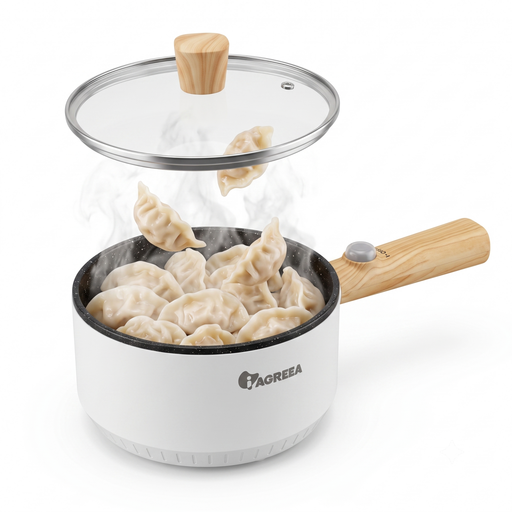
Why This Fits Their Persona: A compact option for students, solo diners and UK kitchens with a small footprint, with hot pot, noodle and stir-fry functions.
Its 1.2L capacity makes the intended serving size clear, reducing the risk of buying a large appliance for personal meals.
1000W heating, 500W/1000W settings, non-stick marble coating and detachable power cord.
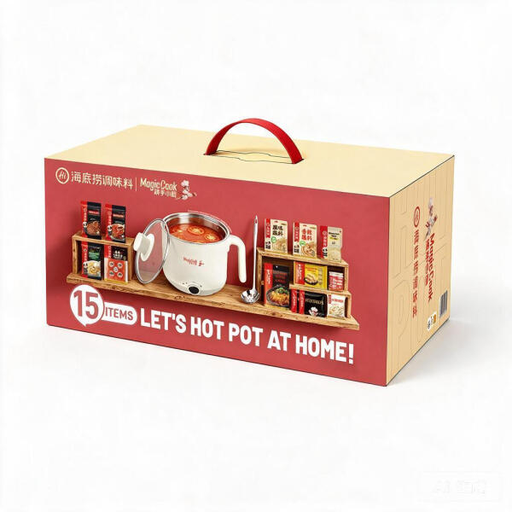
Why This Fits Their Persona: Suitable for shoppers wanting a coordinated meal or a Chinese hot pot gift box for family gatherings.
The contents are itemised, so buyers can see the number of soup bases, sauces and ingredients instead of relying on a vague bundle description.
Includes four soup base flavours, four dipping sauces, noodles, tofu skin rolls, vegetable packs and a cooker.

Why This Fits Their Persona: Designed for larger households and group meals where fast boiling and generous capacity matter.
The 7L capacity and 30.5cm opening address overcrowding, while the 8.5cm depth helps contain soup during shared cooking.
1600W power, high and low heat modes, UK plug, glass lid and stated wear-resistant non-stick coating.
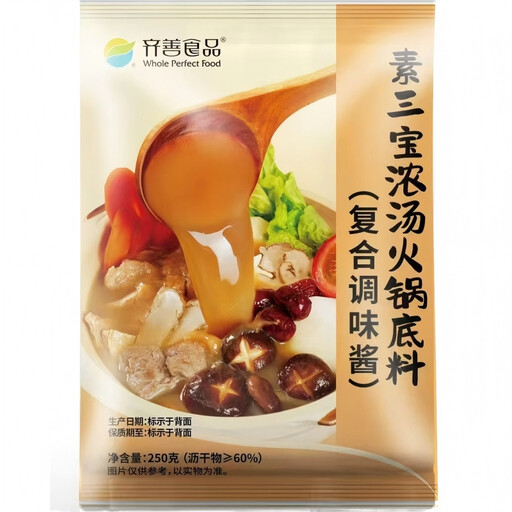
Why This Fits Their Persona: A mushroom-based option for vegetarian diners who also want a base for noodle soups and stews.
Its ingredient list identifies mushrooms and plant-based components, helping diners avoid meat-based seasoning, while allergens remain clearly listed.
Contains 11% mushrooms and is specified for hot pot, noodle soup and stews.
We have compiled a complete, real-time list of products that fully satisfy these strict selection criteria and UK safety regulations.
For texture and variety, consider Zhuxin Bamboo Shoot Slices for Hot Pot 250g ×2, which contain bamboo shoots, water and salt, plus listed preservatives and antioxidants. Hong Rui Xing Hot Pot Rice Cake Strips 400g contain glutinous rice and japonica rice and usually require 3–8 minutes of cooking until soft.
Soy-based options such as crispy tofu skin rolls and hot pot gluten absorb broth readily, but they may contain soy or wheat. Mushroom selections can add variety to a clear soup, while hot pot noodles provide a familiar, filling finish. Add ingredients gradually so the broth continues boiling and food cooks thoroughly.
You need a suitable electric hot pot cooker, soup base, dipping sauces, vegetables, mushrooms, a protein or tofu option and noodles or rice cakes. A slotted spoon and separate chopsticks for raw and cooked food are also practical.
Running cost depends on wattage, cooking time and your electricity tariff. A 1,200W appliance uses up to approximately 1.2kWh per hour at full power; a 1,600W model uses up to approximately 1.6kWh. Lower settings and a lid may reduce actual consumption.
Follow the packaging instructions for each component. Refrigerate products that require it after opening, keep dried items sealed and use ready-to-eat or opened ingredients within the stated timeframe. Always check the best-before information and cook products according to their instructions.