
24/7 Customer Support

Free returns

Same-day & Next-day Delivery

Quality Guaranteed

Unlock Your Welcome Offers: FREE Delivery | Up to 80% OFF | Free 30-day JoyPlus trial
Download the APP
Chinese instant noodles can turn a busy evening, university lunch or late-night snack into a filling meal in minutes. However, packaging can make similar products appear interchangeable when the noodle texture, seasoning format and portion size may be quite different.
For UK shoppers, the main challenge is not simply finding spicy noodles. It is choosing a pack that suits your preferred preparation method, heat level, household size and dietary requirements. The following guide separates useful product information from vague marketing language and highlights practical options for different types of shopper.
Sichuan noodles, Chongqing noodles and Chengdu cold noodles often use chilli oil, Sichuan pepper, vinegar, sesame or fermented sauces. Yet “spicy” alone does not explain the flavour. A product may be hot but lack the numbing, sour, nutty or savoury notes associated with particular regional dishes.
Check the seasoning list for ingredients such as Sichuan pepper, vinegar, sesame paste, Pixian broad bean paste, garlic and fermented soy-based sauces. This gives a more useful indication of the finished taste than front-of-pack heat claims.
Not every ready-to-cook noodle product is prepared in the same way. Some require a saucepan and around 550ml of boiling water, while broad noodles and cold noodles may need soaking, draining and mixing with sauce.
A cup format can be convenient in a workplace or student accommodation, but a saucepan-cooked pack may produce a fuller broth. Cold noodles are also not simply soup noodles served at a lower temperature: they are generally drained and coated with sauce.
An instant noodle multipack can reduce the cost per serving, but only if you are confident that the flavour suits your household. Also compare the net weight per portion, number of sachets and storage life. A five-pack of 114g portions is not directly comparable with a four-pack of 115g portions or a single 250g ready-to-eat pack.
Always check the latest product price, delivery terms and packaging details before ordering.
Noodle texture has a major effect on the eating experience. Standard noodle cakes are usually thinner and designed for broth. Broad noodles or knife-cut noodles are wider and thicker, offering a chewier, more springy mouthfeel.
For a soup-style bowl, Henan-style stewed noodles or Chongqing-style noodles may be suitable. For a saucy dish, sesame paste noodles, red oil broad noodles and cold noodles are more appropriate.
The product description should also clarify whether the noodles are fried, non-fried, pre-cooked or intended to be boiled. These terms affect preparation and texture, but they do not by themselves establish that one format is nutritionally superior.
Look for the number of sachets included. A separate oil, vinegar, powder and vegetable packet allows more control over intensity. You may use only part of the chilli oil or add the vinegar gradually.
For example, hot and sour noodles typically depend on the balance between chilli oil and vinegar, while sesame paste noodles rely on a thick, nutty sauce. If you prefer a milder bowl, avoid adding every seasoning sachet at once.
Many Chinese instant noodles contain wheat or gluten, and some include soybeans, sesame, peanuts, barley or buckwheat. Read the allergen declaration carefully, particularly when buying authentic Chinese noodles for a shared household.
Salt levels can vary considerably. The supplied product information lists examples ranging from 2.16g to 7.40g per 100g, depending on the product. Nutritional values are normally shown per 100g, so compare the serving weight as well as the percentage figures. Follow the UK label and preparation instructions on the pack, and do not assume that draining or leaving seasoning unused removes a specific amount of salt.
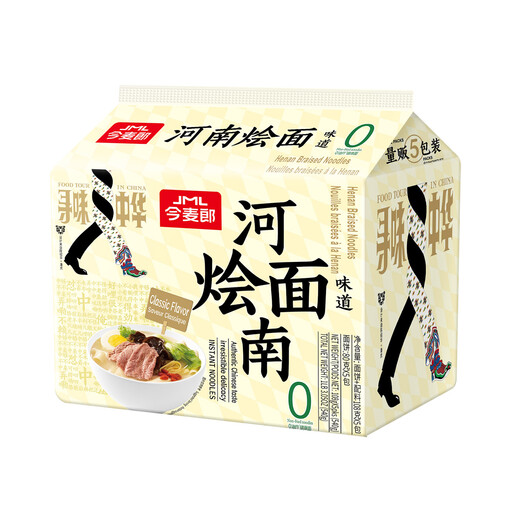
Why This Fits Their Persona: The 565g pack contains five 113g portions, making it practical for students, first-time buyers or households wanting several quick Chinese meals.
The listing identifies the pack size, cooking volume and separate vegetable sachet rather than relying only on a regional description.
Thick noodles, savoury broth and vegetable ingredients including spring onion, black fungus and coriander.

Why This Fits Their Persona: Suitable for shoppers seeking a sauce-led Sichuan-style dish with a wide noodle texture and a more involved serving ritual.
The preparation instructions clearly state that the noodles are steeped for 5–6 minutes, drained and mixed with sesame sauce, rather than served as a broth.
Four 115g bags with sesame paste, chilli oil and chewy broad wheat noodles.
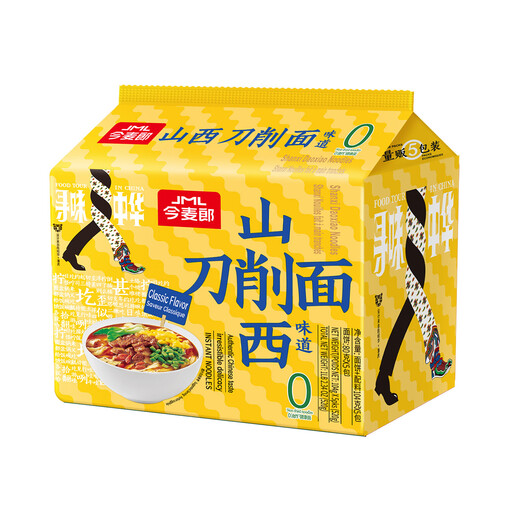
Why This Fits Their Persona: A five-pack suits regular noodle eaters who want substantial, thick noodles and a more complete meal kit for weekday lunches or dinners.
The listing specifies the 104g portion, three-minute boiling method and separate sauce, seasoning and vegetable sachets.
Wide knife-cut-style noodles with Pixian broad bean paste, soy sauce, tomato paste and vegetables.

Why This Fits Their Persona: Designed for chilli fans who enjoy tangy vinegar, Sichuan pepper and a drained noodle dish rather than a conventional soup.
The product specifies a 460g four-pack, 400ml soaking method and separate oil, vinegar, powder and vegetable sachets.
Non-fried noodle sheets with chilli, sesame, Sichuan pepper and vinegar seasoning.
We have compiled a complete, real-time list of products that fully satisfy these strict selection criteria and UK safety regulations.
Yes, provided you have access to boiling water or a hob, depending on the format. Cup noodles and soaking-style broad noodles can be practical for offices and student accommodation. Check whether draining is required and use a heatproof bowl if the product is not supplied in a cup.
Unopened products should be stored according to the packaging, usually in a cool, dry place away from direct sunlight. Check the best-before information before purchase and again before cooking. Once prepared, consume immediately unless the packaging gives different instructions.
Look for savoury regional flavours without prominent chilli oil, or use only part of the oil and powder sachets. Henan-style stewed noodles may offer a broth-led alternative, while sesame paste noodles allow some control over the amount of spicy sauce added. Always check the ingredient list, as chilli can appear in sauces, powders and vegetable packets.