
24/7 Customer Support

Free returns

Same-day & Next-day Delivery

Quality Guaranteed

Unlock Your Welcome Offers: FREE Delivery | Up to 80% OFF | Free 30-day JoyPlus trial
Download the APP
Chinese instant noodles can offer much more variety than a standard soup cup: Sichuan-style chilli oil, chewy Shanxi knife-cut noodles, Chengdu cold noodles and sesame paste sauces are all available in quick-preparation formats. However, packaging can make similar products look interchangeable when the eating experience, preparation method and portion format differ considerably.
Before buying, focus on the ingredients, noodle texture, serving format and pack size rather than relying on dramatic flavour descriptions. This guide explains the key points to check and matches several Chinese instant noodles to different shopping needs.
A product labelled as spicy may simply contain chilli powder. Sichuan noodles and Chinese spicy noodles often have a more layered profile, using ingredients such as Sichuan pepper, chilli oil, vinegar, sesame or Pixian chilli bean paste. These create different sensations: heat, acidity, nuttiness and the characteristic numbing effect associated with mala seasoning.
Check the ingredient list for specific components rather than assuming that “hot” means Sichuan-style. A chilli-heavy sauce may suit heat seekers but lack the tang or pepper aroma expected from Chengdu or Sichuan dishes.
“Instant” does not always mean “add boiling water and wait”. Some packs require boiling, some need soaking and draining, while Chengdu cold noodles may be pre-cooked and simply mixed with sauce.
There is also a practical difference between non-fried instant noodles and conventional fried noodle blocks. Non-fried noodles can have a smoother or firmer texture, but preparation times may be slightly different. Read the instructions before buying for an office drawer, student kitchen or travel bag.
A multipack may reduce the cost per serving, but only if you enjoy the flavour and have suitable storage space. Compare the total weight and number of portions. A 5-pack of 110g noodles is not directly comparable with a 3-pack of 110g noodles or a 250g ready-to-mix pouch.
Also check best-before information, storage instructions and whether the product should be consumed immediately after opening. Dry Chinese noodle multipacks are convenient for cupboards, while semi-dried or ready-to-eat products may need more attention after opening.
Texture is one of the clearest differences between regional formats:
Preparation time also matters. Several cooking products use approximately 500–550ml of water and take around three to six minutes. Ready-to-eat formats may only require opening and mixing.
Separate sachets allow more control than a single seasoning packet. Look for packs containing combinations such as:
If you are new to spicy instant noodles, add the oil gradually. This makes it easier to manage heat without wasting the whole portion. For a fuller meal, add spring onions, cucumber, pak choi, a boiled egg or leftover vegetables.
UK shoppers should read the label every time, particularly when buying imported food. Common allergens in these products include wheat, gluten, soya, sesame and peanuts. Some seafood-flavoured noodles may also contain fish, shrimp, cuttlefish or molluscs.
Nutrition panels vary widely. For example, the listed salt values among the products can range from approximately 1.5g to 6.5g per 100g. These figures are not interchangeable because serving sizes and preparation methods differ, so check the product’s own label and consider using only part of the seasoning sachet if appropriate for your preferences.
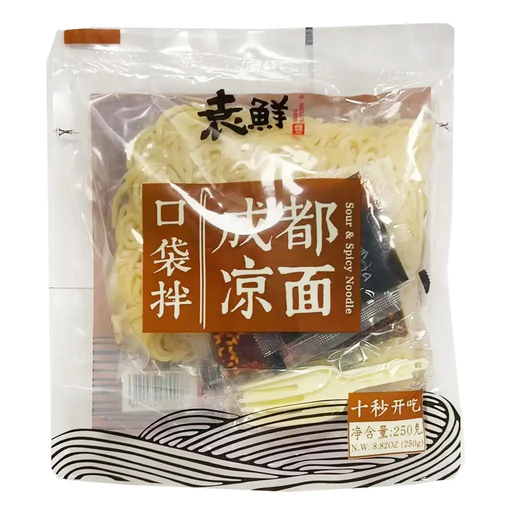
Why This Fits Their Persona: The ready-to-eat format is practical for first-time buyers, packed lunches and quick meals where using a saucepan is inconvenient.
The instructions clearly describe a mix-only format, avoiding the mistake of buying a cooking-required product for an on-the-go setting.
Pre-cooked noodles; seasoning includes chilli oil, Sichuan pepper, vinegar, peanuts and sesame for a layered Chengdu-style profile.
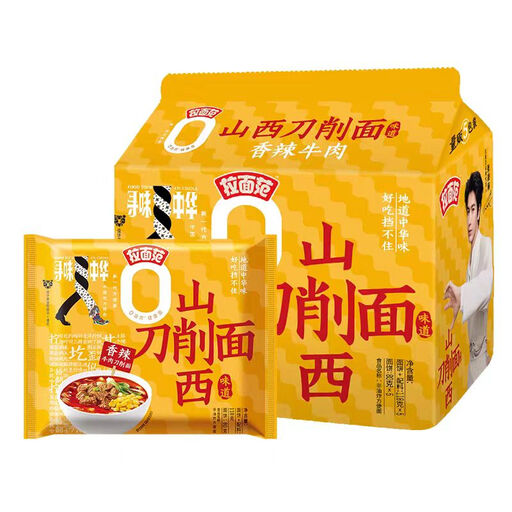
Why This Fits Their Persona: Suitable for shoppers seeking a more structured bowl with thick noodles, several sachets and a five-serving household pack.
The pack lists noodle, sauce, powder, vinegar and vegetable sachets separately, making the flavour construction visible rather than relying only on front-of-pack spice wording.
Wide wheat noodles; Pixian chilli bean paste, Sichuan pepper and sesame in the sauce; five individual portions.
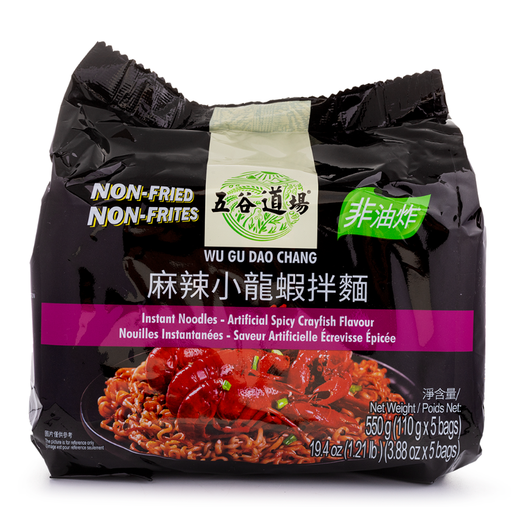
Why This Fits Their Persona: A useful cupboard option for households or regular noodle eaters who want individual packs and a sauce-led stir-fry format.
The product specifies a non-fried noodle block and gives both boiling and soaking methods, so preparation is clear before purchase.
Five individually packed 110g portions; seasoning includes sesame and seaweed; designed for mixing after cooking.

Why This Fits Their Persona: A practical choice for shoppers who prefer a thick, cold-mixed sauce with a nutty finish and the option to add fresh toppings.
The quantitative ingredient declaration identifies sesame paste at 46% of the sauce sachet, providing a clearer indication of the intended flavour.
Non-fried wheat noodles; separate sesame paste, chilli oil, vinegar and powder sachets; suitable with cucumber or coriander.
We have compiled a complete, real-time list of products that fully satisfy these strict selection criteria and UK safety regulations.
Yes, but choose the format carefully. Ready-to-eat Chengdu cold noodles only require mixing, while cooking-required packs need access to boiling water and, in some cases, a bowl or saucepan. Cup noodles and individual packs are usually easier where kitchen facilities are limited.
Unopened dry noodle packs generally carry a best-before date printed on the packaging. Their practical storage life depends on the specific product, so keep the original packaging and follow its instructions. Semi-dried and ready-to-eat noodles may require immediate consumption after opening or preparation.
Not necessarily. “Non-fried” describes how the noodle block is made, not the complete nutritional profile. Oils, sauces and toppings can contribute substantially to energy, fat and salt. Compare the full nutrition panel and serving size rather than using the noodle preparation method alone.