
24/7 Customer Support

Free returns

Same-day & Next-day Delivery

Quality Guaranteed

Unlock Your Welcome Offers: FREE Delivery | Up to 80% OFF | Free 30-day JoyPlus trial
Download the APP
Chinese knife-cut noodles are popular with UK home cooks because their broad, uneven shape holds onto broth, sauces and stir-fry seasoning. However, product descriptions can make very different noodles sound interchangeable. A packet labelled “handmade”, “knife-shaved” or “hand-pulled style” may refer to its shape or production method rather than freshly prepared dough.
This guide explains the practical differences between Chinese knife-cut noodles, Shanxi knife-cut noodles, wide noodles and instant noodle meal kits, helping you choose a suitable pack size, texture and cooking format.
“Knife-cut” describes the traditional shape: dough is shaved into broad strips, often with a thicker centre and thinner edges. It does not automatically mean the noodles are fresh, handmade or sold without seasoning.
You may find:
Check the full ingredient list, storage instructions and cooking method rather than relying on the front-of-pack wording.
A 1.81kg bag may offer practical value for families, meal preparation or frequent noodle dishes, but it can be inconvenient for occasional users. Once opened, dry noodles should be kept sealed in a cool, dry place and used according to the packaging guidance.
For students, couples or anyone trying Chinese noodles online for the first time, a 250g to 600g pack may reduce waste. Bulk noodles make more sense when you regularly prepare soup noodles, hot pot or stir-fry noodles.
Most plain Chinese handmade noodles contain wheat and therefore gluten. Some seasoned instant varieties also contain soya, sesame, buckwheat or other cereals containing gluten. Always read the UK allergen declaration, particularly when buying for children, guests or anyone with an allergy or intolerance.
Instant packs can also contain several seasoning sachets. Compare the nutrition panel per 100g and remember that the stated value may include the noodles and seasonings together. Some products in this category list noticeably more salt than plain noodles.
Wide noodles provide a more substantial bite and are suitable for rich broths, braised toppings and chilli sauces. Knife-shaved noodles may have an irregular edge that creates a different mouthfeel and helps sauce cling to the surface.
For a firm, chewy texture, look for descriptions such as:
Cooking time is only a guide. Stir during boiling, taste before draining and adjust the time to suit your preferred firmness.
Plain options may contain only wheat flour, water and salt, while instant noodle blocks can include modified starch, wheat gluten, raising agents, stabilisers, emulsifiers, colours and flavour enhancers. Neither format is automatically suitable for every shopper; the important point is to choose according to your preferences and dietary requirements.
A five-cereal or buckwheat noodle may offer a different flavour and texture, but check the percentage of each cereal. For example, Huiji You Ni Yi Mian Five Cereals Thin Sliced Noodles list wheat as the main ingredient, with buckwheat and konjac in smaller quantities.
Choose the product format around how you normally cook:
Plain noodles allow you to control the broth, vegetables, protein and seasoning. Instant packs are quicker but come with a fixed flavour profile and sachet ingredients.
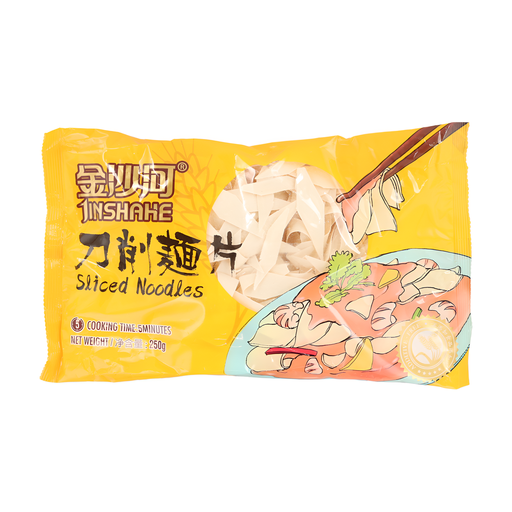
Why This Fits Their Persona: The smaller 250g pack suits UK shoppers who want to try Chinese knife-cut noodles without committing to a large household supply.
It is a plain noodle product rather than a fixed-flavour meal kit, so you can control the sauce and portion size.
Contains wheat flour, water and salt; listed cooking time is approximately 3–5 minutes.
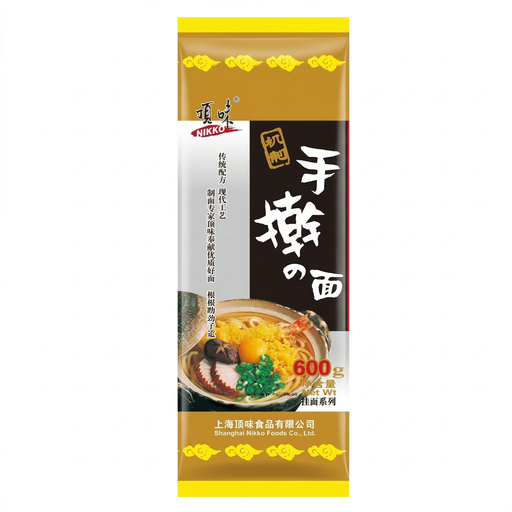
Why This Fits Their Persona: A 600g pack gives texture-focused home cooks enough noodles for several dishes without the volume of a catering-size bag.
The listing clearly identifies it as a fresh wet noodle and provides cooking and storage information, rather than relying only on “handmade” wording.
Wide, thick noodles; cooks in approximately 3–5 minutes and is suitable for soup, mixed and stir-fried noodles.
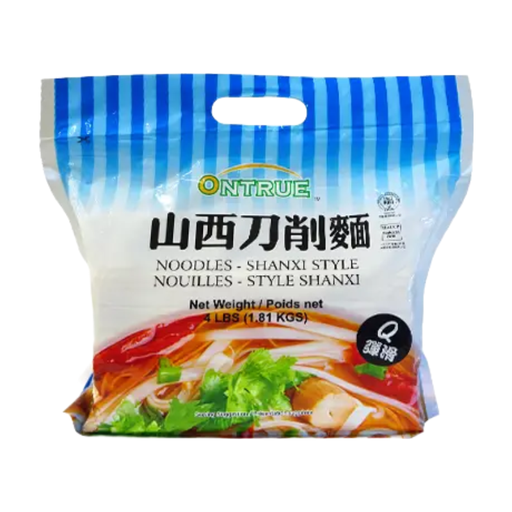
Why This Fits Their Persona: The large pack is suited to families, shared homes and regular cooks preparing hot pot, braised noodles or stir-fries.
The quantity is stated clearly, helping frequent users compare bulk value rather than paying repeatedly for small instant packs.
Wide, thick Shanxi-style noodles with a listed boiling time of 7–8 minutes and ingredients of wheat flour, water and salt.
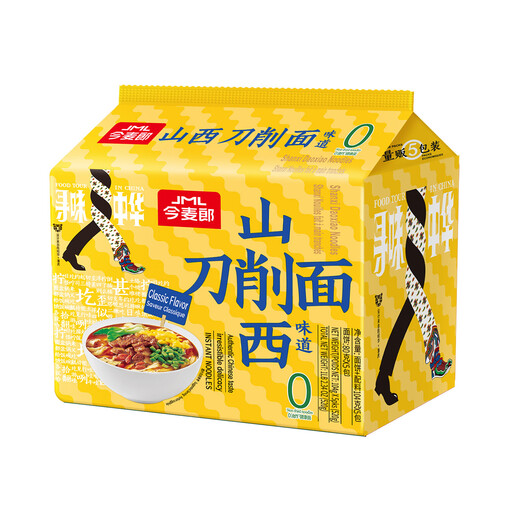
Why This Fits Their Persona: Five individually portioned packs provide a convenient cupboard option for quick lunches or late-evening meals.
The five-pack quantity and sachet format are visible before purchase, making it easier to compare convenience with plain bulk noodles.
Each 104g portion cooks in approximately 3 minutes and includes sauce, seasoning and vegetables; contains wheat and soya.
We have compiled a complete, real-time list of products that fully satisfy these strict selection criteria and UK safety regulations.
For plain noodles, bring a sufficiently large pan of water to a rolling boil before adding the noodles. Stir gently to separate them, then cook according to the packet. Drain thoroughly before adding broth or sauce.
For stir-fry noodles, slightly undercook them, drain and toss with a little oil before adding them to the wok. For soup noodles, cook until tender and transfer directly into hot broth. Instant products should follow their own instructions, including the stated water volume and sachet order.
Never eat raw dough or uncooked noodle blocks. Follow the product’s cooking instructions and check the best-before information on the packaging.
No. Knife-cut noodles are shaped by shaving or slicing dough, while hand-pulled noodles are stretched by hand. Some products use a hand-pulled style to describe a similar broad, chewy shape, so check the production description and ingredients.
Cooking times vary by format. Several plain products listed above take around 3–5 minutes, while thicker Shanxi-style or handmade noodles may require approximately 6–8 minutes. Use the packet instructions as the starting point and taste for texture.
Yes. Plain wide noodles work well in stir-fries, particularly when drained thoroughly before entering the wok. Thick noodles can also be used in soup, braised noodle dishes and hot pot, while instant seasoned packs are generally designed for their specified preparation method.