
24/7 Customer Support

Free returns

Same-day & Next-day Delivery

Quality Guaranteed

Unlock Your Welcome Offers: FREE Delivery | Up to 80% OFF | Free 30-day JoyPlus trial
Download the APP
By Joybuy Product Recommendation Officer
Chinese knife-cut noodles are valued for their wide shape, firm bite and ability to hold onto soup or sauce. However, product descriptions can make very similar noodles sound interchangeable. For UK shoppers, the important differences are usually the noodle format, cooking time, pack size, storage requirements and allergen information.
Whether you are looking for Shanxi knife-cut noodles, noodles for hot pot or a quick instant meal, checking a few practical details can prevent an unsuitable purchase.
“Wide noodles” does not always mean the same eating experience. Some products are flat and soft, while others are thicker through the centre with thinner edges. This variation affects chewiness, sauce absorption and cooking time.
Look for descriptions such as knife-cut, knife-shaved, wide and thick, or thick-centred and thin-edged. These terms provide more useful information than vague phrases such as “authentic taste” on their own.
Instant knife-cut noodles can be convenient, but the noodle block and seasoning sachets need to be considered separately. A richly seasoned cup may contain substantially more salt than a plain dried noodle pack. Some flavours also contain chilli, sesame, soya, broad beans or buckwheat.
Always read the allergen declaration and nutrition panel. For example, the Lamianfan braised meat cup lists wheat and soya, while some spicy Shanxi-style packs also list sesame and buckwheat. Those with allergies or intolerances should check the packaging supplied with the order before eating.
Large packs offer more portions, but dried Chinese noodles need a cool, dry place and should be sealed after opening. Frozen sliced noodles require freezer storage at -18°C or below and should not be refrozen after thawing.
A 1.81kg pack may suit a family or regular noodle cook, but it is less practical if cupboard space is limited or you only prepare noodles occasionally.
Choose the format according to how you intend to cook:
Most plain chewy wheat noodles contain wheat flour, water and salt. Some include wheat gluten, starch, konjac flour or buckwheat flour to create a particular texture.
Check for:
For instant products, compare the nutrition panel per serving rather than assuming the noodle block and sachets have similar values. The Jin Mai Lang five-pack, for example, lists 7.40g salt per 100g, while plain dried options have considerably less according to their supplied product information.
A 100–118g instant bowl or sachet generally provides one convenient meal. A 400–800g dried pack is more suitable for several meals, while 1kg and 1.81kg options are intended for frequent use.
Follow the supplied cooking instructions rather than relying on appearance. Plain noodles must be cooked thoroughly, and frozen noodles should be heated through. For stir-frying, boiling the noodles first and draining them well helps prevent a watery sauce.
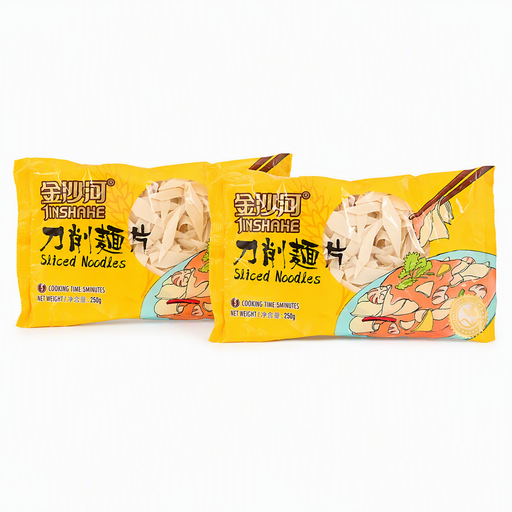
Why This Fits Their Persona: The 500g total pack gives first-time shoppers enough noodles to try soups, braised dishes and stir-fries without committing to a very large quantity.
The ingredient list is short: wheat flour, water and edible salt. The pack does not rely on a pre-seasoned sachet, making the flavour and salt level easier to control.
Two 250g packs; listed cooking time of 3–5 minutes; suitable for soup, stewed and fried noodle dishes.
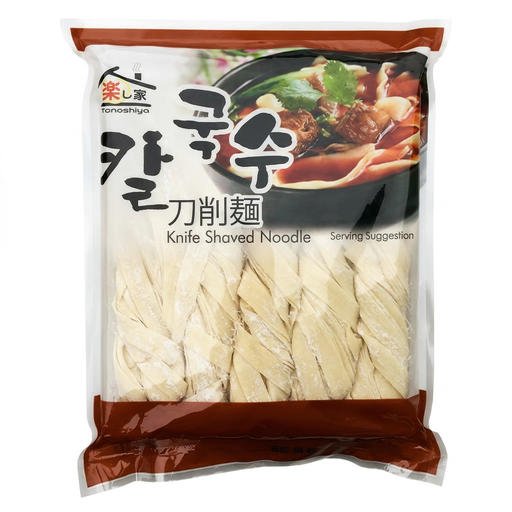
Why This Fits Their Persona: This large plain noodle pack suits cooks who want a firm, smooth noodle base and prefer to build their own broth, sauce or toppings.
The supplied description identifies the knife-shaved shape, with thick edges and a thinner centre, rather than using only a general “wide noodle” label.
1kg quantity; wheat flour, water and salt ingredients; suitable for soup noodles, fried noodles and mixed noodle dishes.
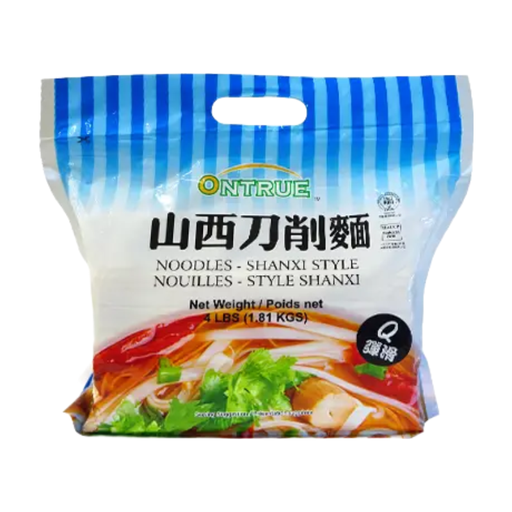
Why This Fits Their Persona: The 1.81kg family pack is designed for households that regularly prepare hot pot, noodle soup, stews or stir-fry noodles.
The product specifies a plain wheat-flour, water and salt recipe, so buyers are not paying for unnecessary flavour sachets when they already have their own ingredients.
1.81kg quantity; listed cooking time of 7–8 minutes; suitable for hot pot, soups, stews and stir-fries.
We have compiled a complete, real-time list of products that fully satisfy these strict selection criteria and UK safety regulations.
Yes. Plain dried Shanxi-style noodles and frozen sliced noodles can work well in hot pot. Frozen noodles are convenient because some can be added directly to boiling broth and cooked in around two to three minutes. Check the individual instructions and ensure they are fully heated before serving.
Cooking times vary by format. Instant products commonly take three to four minutes, Jinshahe noodles are listed at three to five minutes, and larger dried or handmade-style noodles may require six to eight minutes. Use the pack instructions as the final guide.
Plain dried noodles can be economical for repeat cooking because one large pack provides multiple portions and can be paired with ingredients already in your kitchen. Instant packs trade some flexibility for convenience, while frozen noodles require continuous freezer storage. Compare the quantity, portion size and included seasoning rather than judging value by pack price alone.